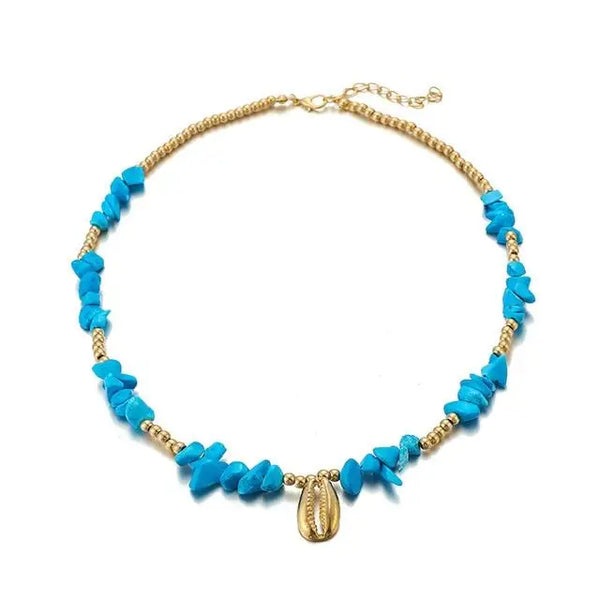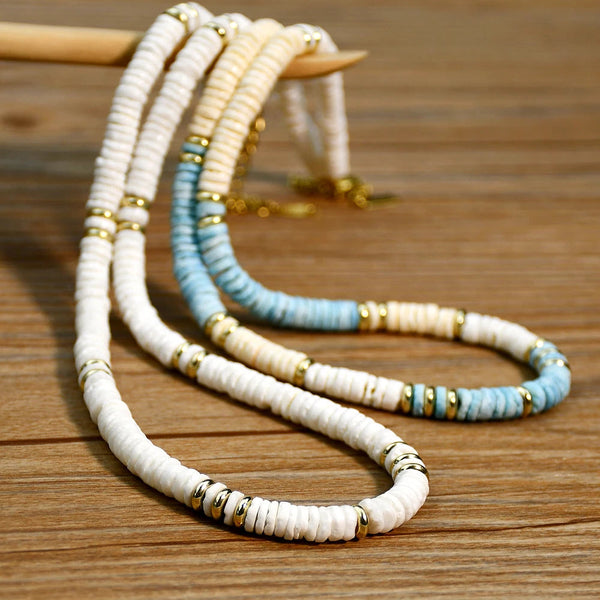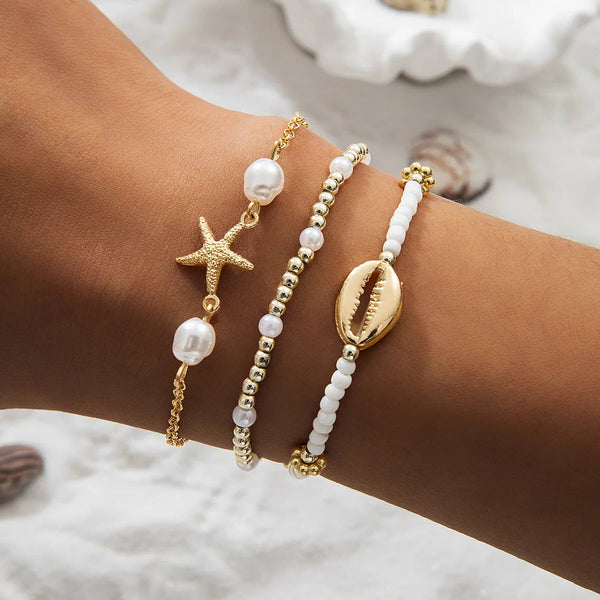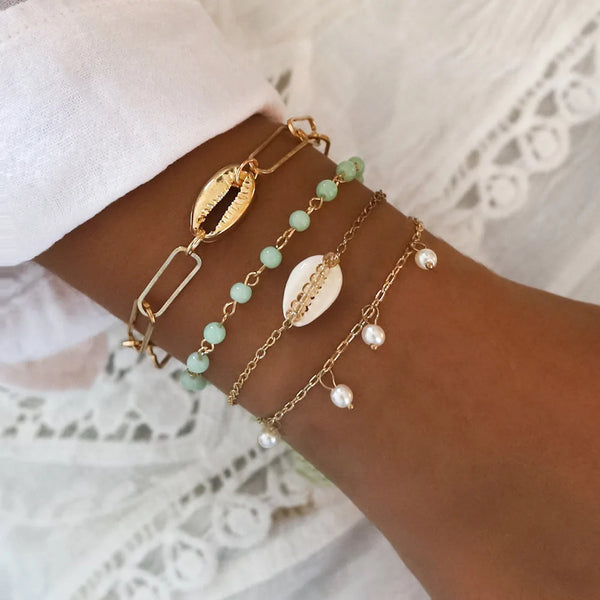

The right ocean pendant is the one you forget you're wearing until someone asks about it. Choosing it comes down to four things: the shell that speaks to you, the length that flatters your neckline, the metal that warms your skin, and the moment you want to wear it in. Get those four right and you'll reach for the same piece every morning, from sunrise swims to candlelit dinners. Here's how to decode each one, without overthinking it.
The Short Answer: How to Choose a Seashell Necklace That Feels Like You
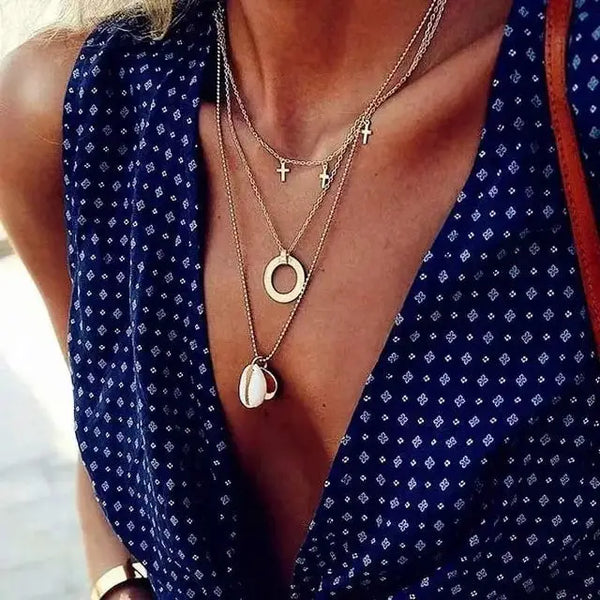
Start with your wardrobe, not with trends. If you live in tank tops and bare shoulders, go short and close to the throat. If you wear flowing dresses and open shirts, choose a longer pendant that follows the opening. Cowrie shells bring soft, rounded femininity. Urchins, conch fragments and nautilus shapes bring sculpture and edge. Everything else is detail.
Your 60-Second Match: Shell, Length, Metal, Moment
- Shell: cowrie for symbolism, puka discs for easy daily wear, urchin or nautilus for drama, mother-of-pearl for a soft glow.
- Length: 14 to 16 inches for a choker, 17 to 18 for collarbone, 20 and up for pendants on open necklines.
- Metal: gold for warm skin, silver or white gold for cool skin.
- Moment: one shell for the office, layers for the beach, pearl accents for celebrations.
Know Your Shells: A Little Dictionary of Ocean Treasures
Every shell carries its own personality. Knowing the names makes shopping much easier, and it helps you spot quality when you compare pieces online.
Cowrie Shell: The Goddess Talisman
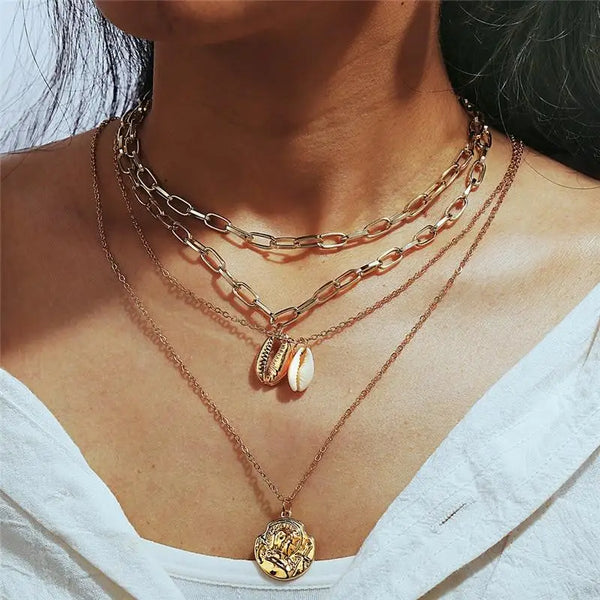
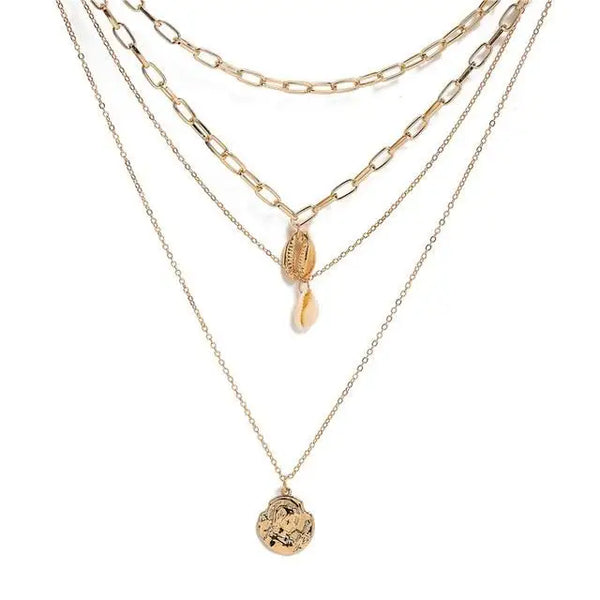
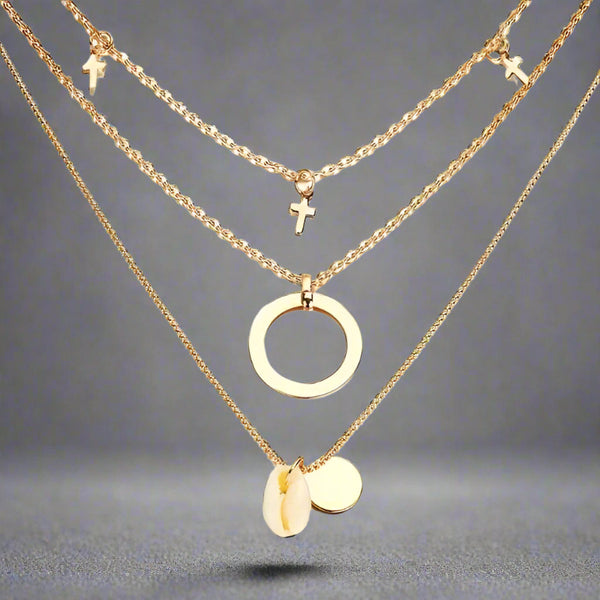
Cowries are the small, glossy oval shells with a toothed slit along the base. They sit flat against the skin, which makes them perfect for chokers and layered strands. Their shape has been linked to femininity and abundance for centuries, and that story is half the reason women fall for them. A single polished cowrie on a cord, like the Women's Cowrie Shell Necklace, works with absolutely everything in a summer suitcase.

Puka & Disc Shells: Sun-Bleached Simplicity
Puka means hole in Hawaiian, and these are the pale, naturally rounded fragments strung side by side. Disc shells are cut and sanded into tiny flat circles for a smoother finish. Both read as effortless rather than dressy. They're the ones you wear with wet hair and no makeup.
Conch, Nautilus & Sea Urchin: Sculptural Statements
Want one piece that does all the talking? Look to spiral and spiked shapes. Conch fragments bring pink and cream tones, nautilus brings that hypnotic curl, and sea urchin spines bring texture you can feel under your fingertips. Set in warm metal, a shape like the Golden Sea Urchin Shell Necklace turns a plain linen dress into an outfit.

Mother-of-Pearl & Pearl Accents: Iridescent Femininity
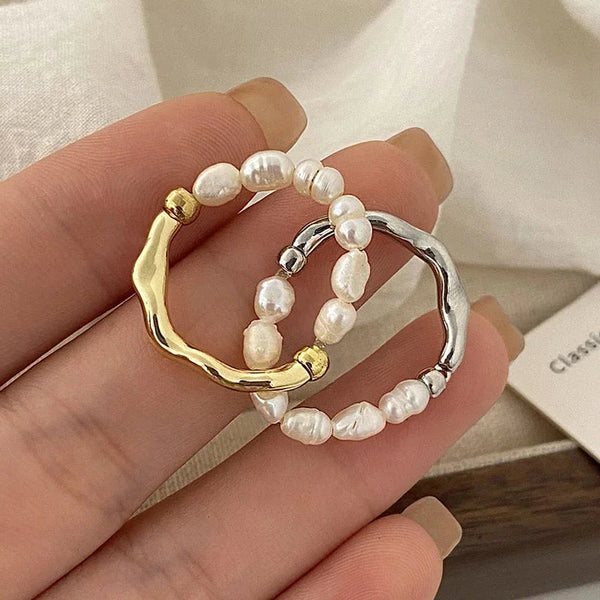
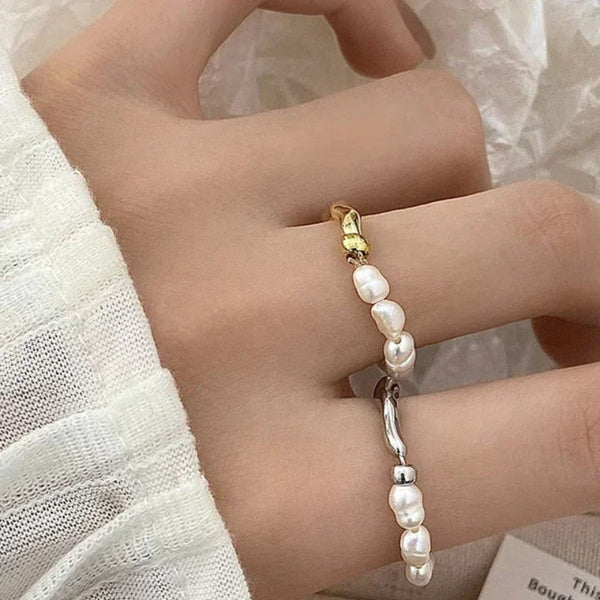
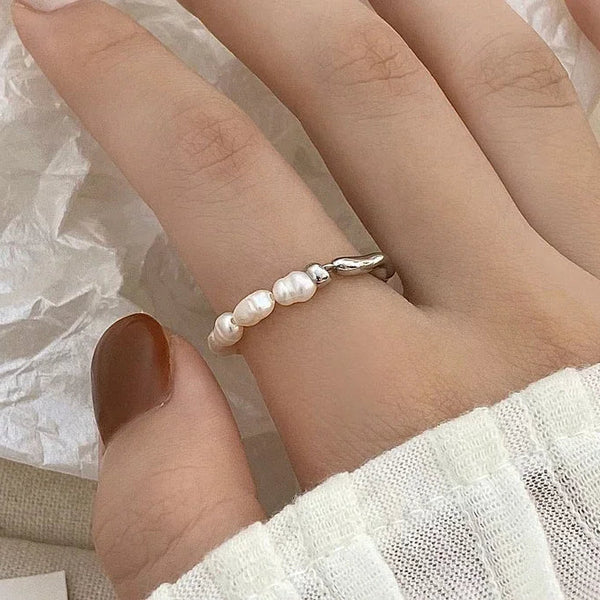
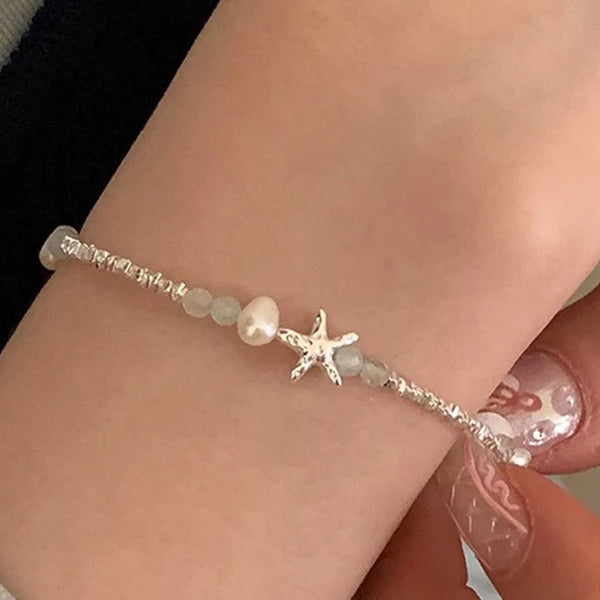
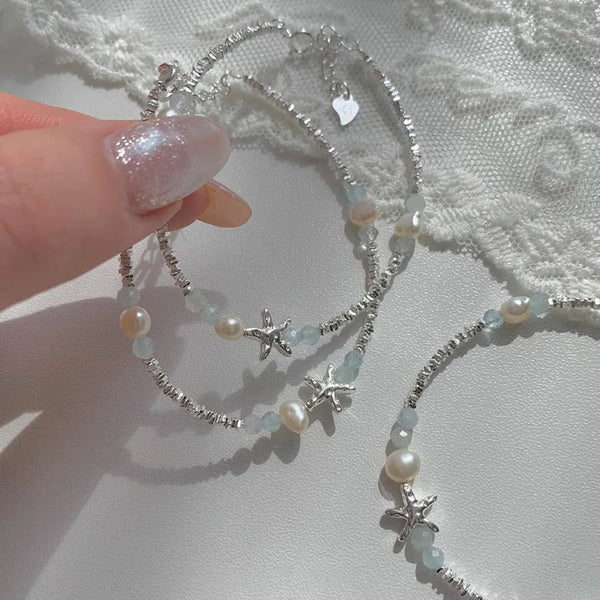
Mother-of-pearl is the shimmering inner layer of certain shells, the part that catches light like petrol on water. Paired with freshwater pearls, it softens a boho look just enough for evening. This is the family to choose if you want shells that pass as fine jewelry.
Finding Your Length: From Choker to Collarbone to Layered Cascade
Length changes everything. Measure a necklace you already love, then shop against that number instead of guessing.
14 to 16 Inches: For Bare Shoulders and Salt-Kissed Skin
A choker hugs the base of the neck and draws attention to your collarbones. It's the best length for strapless tops, bikinis and off-the-shoulder dresses. Shorter necks suit the looser end of that range.
17 to 18 Inches: The Everyday Collarbone Glow
This is the safest length to buy as a gift. It lands just below the collarbone, sits well over crew necks and slips under a shirt collar without fuss. Most single-shell pendants are designed around it.
20 to 24 Inches and Beyond: Pendants That Follow the Neckline
Longer chains draw the eye down and lengthen the torso. They shine on V-necks, deep wrap dresses and open linen shirts. Choose a pendant with real weight here, or the chain will twist all day.
Layering Rule of Thumb: Let Each Shell Breathe
Leave around two inches between each strand so nothing tangles. Vary the texture too: one cord, one fine chain, one with a pendant. Three is usually the sweet spot, and odd numbers always look more natural than even ones.
Gold, Silver or White Gold: Choosing the Metal That Flatters Your Skin
Check the veins on your inner wrist in daylight. Green-leaning veins mean warm undertones. Blue or purple means cool. It's a two-second test that saves a lot of returns.
Warm Undertones, Golden Hour
Gold tones melt into tanned and olive skin, and they pick up the cream and honey colours inside most shells. If you wear a lot of terracotta, rust or ivory, gold is your default.
Cool Undertones, Moonlit Shine
Silver and white gold flatter fair or pink-toned skin and make white shells look crisper. They also pair beautifully with denim, grey and black, which makes them easier to wear back home than on the beach.
Mixing Metals Like a Beachcomber
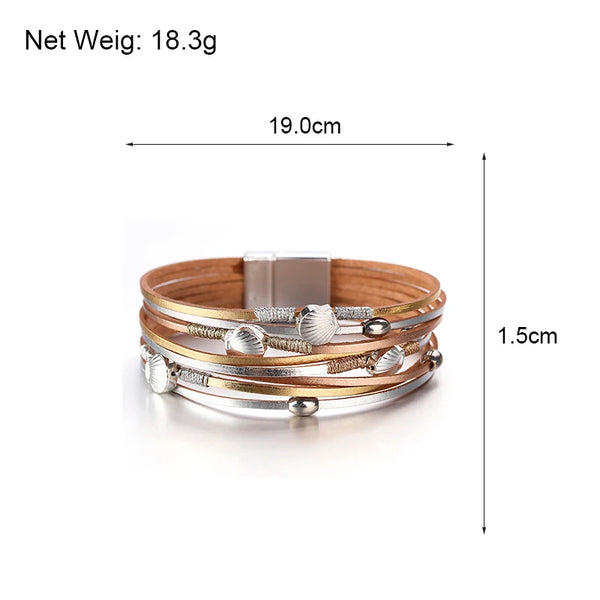
Mixing works when it looks deliberate. Repeat the second metal somewhere else, on a ring or a bracelet, so the eye reads a pattern rather than an accident.
Match the Necklace to Your Energy
The Barefoot Bohemian
Knotted cords, raw edges, several strands at once. Nothing matches perfectly, and that's the charm. Look for pieces on waxed cotton or leather rather than delicate chain.
The Minimalist Mermaid
One shell, one fine chain, nothing else. The discipline is what makes it elegant. Choose the cleanest shell you can find, because there's nowhere for a flaw to hide.
The Romantic Wanderer
Pearls, soft shimmer, a pendant that catches candlelight. This is the look for honeymoon dinners and long evenings outside. Keep the colours in the ivory and champagne family.
Occasion Guide: From Shoreline to Sunset Dinner
Beach Days, Swimwear and Festival Weekends
Pile it on. Cord chokers, shell strands and a pendant or two layered together look right with sand on your skin. Go for natural materials that won't mind a little salt.
Office and Everyday
One small shell on a fine chain reads as polished, not holiday. Keep it at collarbone length so it sits neatly above a neckline. Nobody needs to know it's technically beach jewelry.
Weddings, Honeymoons and Coastal Celebrations
Mother-of-pearl and pearl accents photograph beautifully and work with ivory and pale blue. For beach ceremonies, a short layered piece balances loose hair and bare shoulders.
Gifting: How to Choose for Her
When in doubt, pick 17 to 18 inches, a single shell and the metal she already wears. Cowrie pieces are the safest bet because the symbolism gives the gift a story.
Styling Secrets: Necklines, Hair and Stacking
V-Necks, Square Necks, Halters and Bare Backs
Follow the shape of the neckline. V-necks love pendants, square necks love short straight strands, halters love a choker sitting above the fabric. With a bare back, turn a long chain around and let it fall behind you.
Completing the Story: Stacks, Anklets and Body Chains
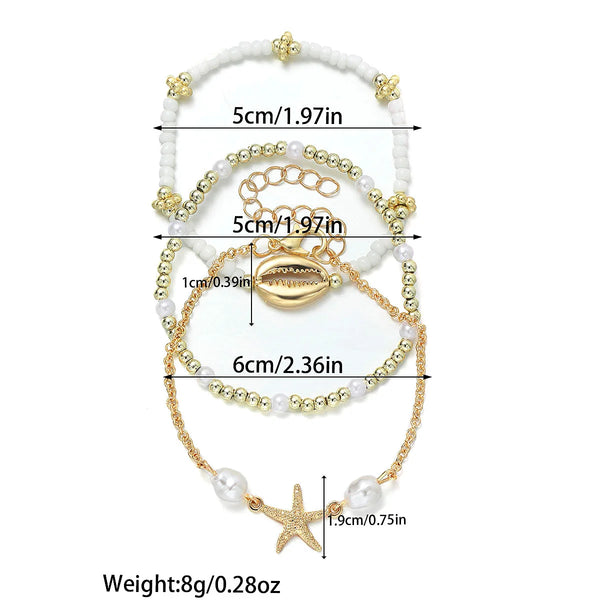
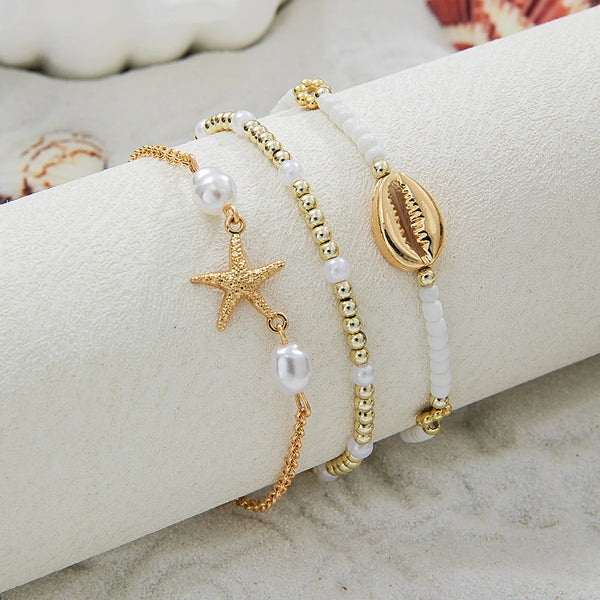
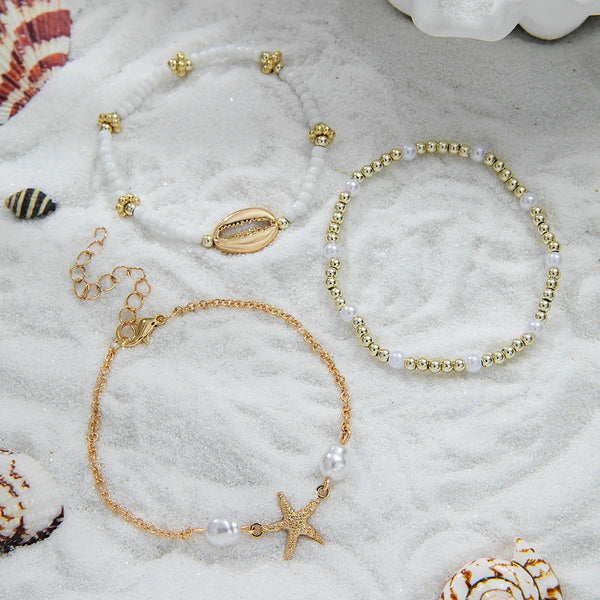
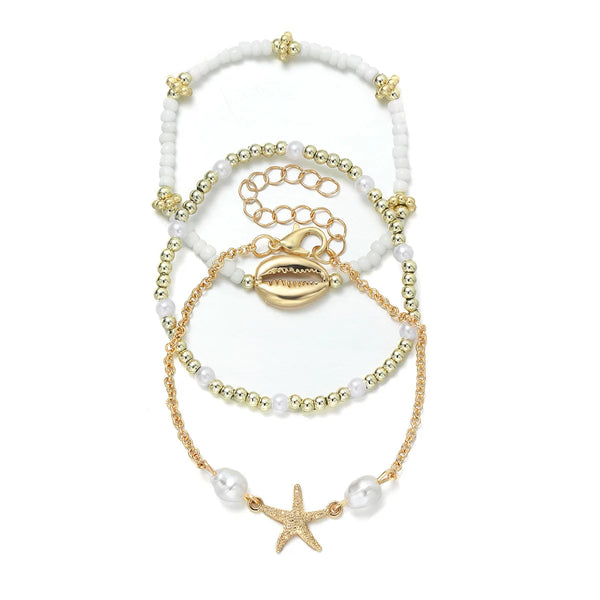
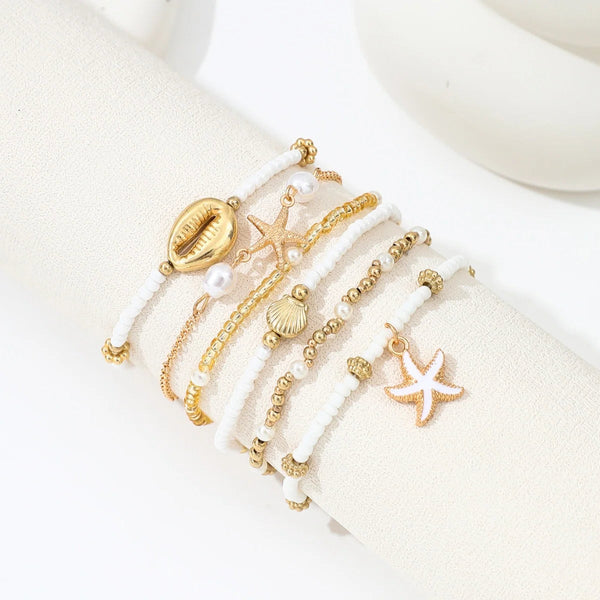
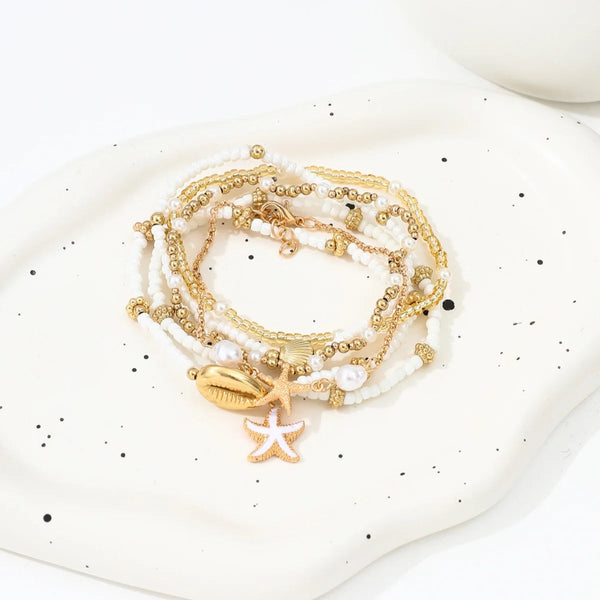
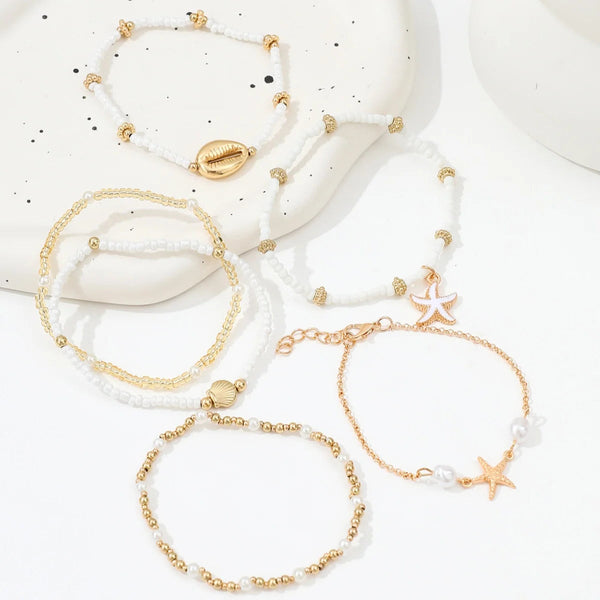
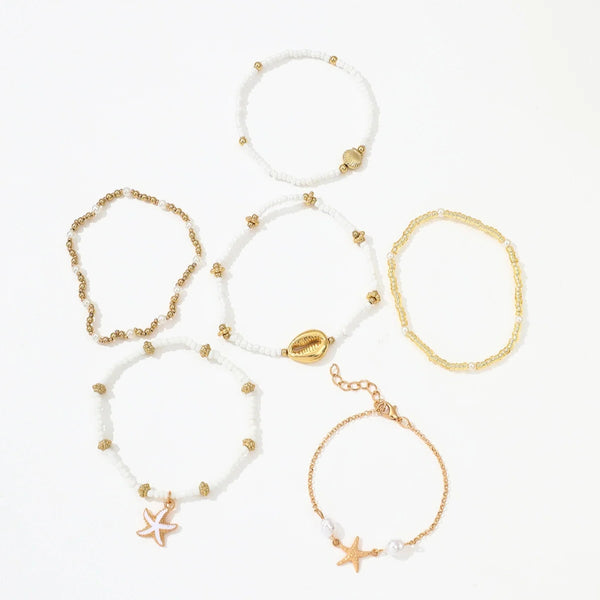
Echo the shell somewhere else on the body and the whole look clicks into place. A couple of bracelets on one wrist, an anklet, or something like the Whispers of the Shoreline green shell belly chain under a sheer cover-up. Keep the metal consistent and let the shells vary.

The Meaning Behind the Shell
Cowrie Shells Across Cultures
Cowries once served as currency across parts of Africa and Asia, which is why they're associated with prosperity. Their shape also tied them to fertility and feminine protection in many traditions. Wearing one is a quiet nod to all of that.
Venus, Tides and Rebirth
Venus rising from a shell is one of the oldest images of beauty born from the sea. Shells wash up changed by the water, which is why they're read as symbols of transformation. Plenty of women buy one to mark a new chapter.
Handcrafted vs Homemade: DIY or Invest?
What a Well-Made Piece Looks Like
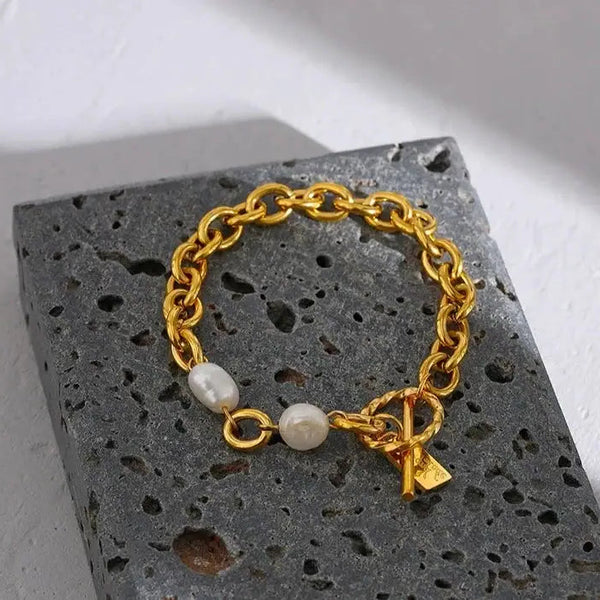
Check three things: the clasp, the cord and the finish. A good clasp opens easily and closes with a firm click. Cording should be waxed or braided, never fraying at the knots. Plating should cover every surface evenly, with no dull patches near the jump rings.
Ethical and Eco-Conscious Sourcing
Ask where the shells come from and whether they're hand-selected rather than mass-processed. Natural shells vary in colour and size, and a seller who embraces that variation is usually a seller who respects the material. Handcrafted pieces also tend to be repairable, which keeps them out of a drawer.
Caring for Your Shells
Can You Swim With a Seashell Necklace?
A quick dip won't ruin a well-made piece, but repeated exposure will dull plating and dry out cord. Chlorine is harsher than seawater. Best habit: take it off before you swim, rinse with fresh water if you forget, and pat it dry.
Keeping Gold and Silver Bright
Perfume and sunscreen are the real enemies, so jewelry goes on last. Wipe your necklace with a soft cloth at the end of the day. Store it flat in a pouch rather than tangled in a bowl, and it will still look new next summer.
Choose Your Shell, Wear Your Ocean
Pick the shell that stops you scrolling, the length that suits the necklines you actually wear, and the metal that warms your skin. Everything else is instinct. Buy one piece you'll wear a hundred times rather than three you'll wear once, and let the ocean come with you wherever you go.
Frequently Asked Questions
What do you call a shell necklace?
Most people simply say shell or seashell necklace. Specific styles have their own names: a puka necklace uses naturally holed shell fragments, a cowrie necklace uses glossy oval cowries, and a shell pendant necklace features one shell hanging from a chain.
What is the meaning of a seashell necklace?
Shells symbolise protection, prosperity and feminine power, with cowries especially linked to fertility and abundance. They're also a symbol of travel and rebirth, since the sea reshapes every shell it returns to the shore.
How do you make a seashell necklace at home?
Collect clean shells, drill a small hole with a fine bit, then thread them onto waxed cord with knots between each one. Finish with a clasp or a sliding knot. It's a lovely afternoon project, though homemade cord and untreated shells rarely survive more than a season of daily wear.
What are dangly necklaces called?
Necklaces with a hanging element are called pendant necklaces. If the drop is long and open, ending in loose strands, it's a lariat. Both styles suit sculptural shells beautifully.