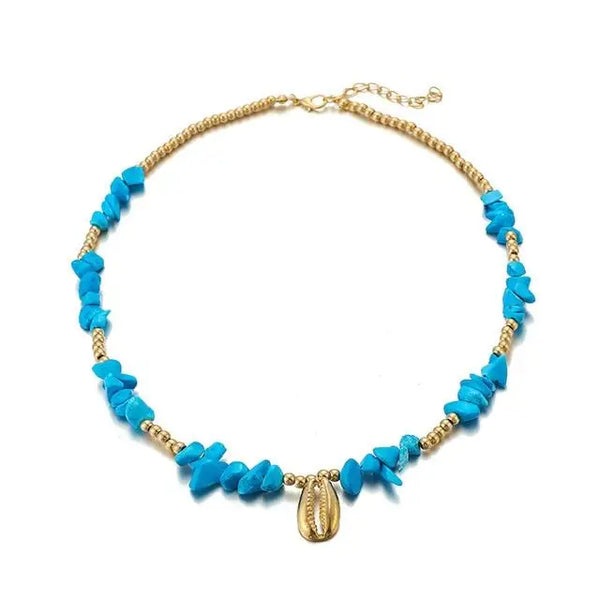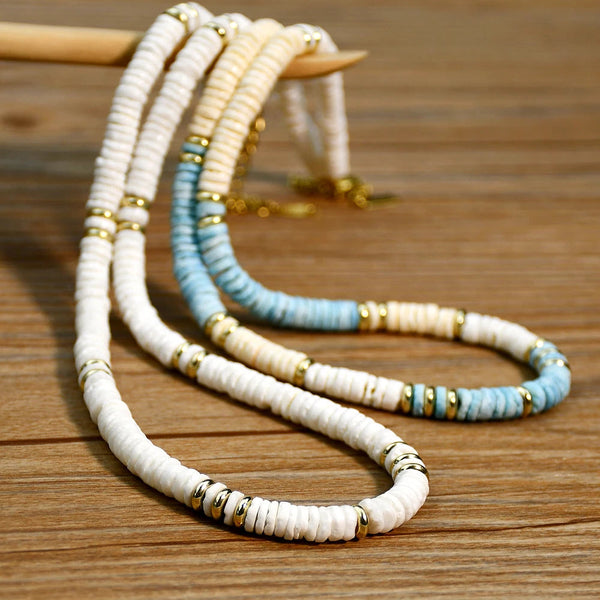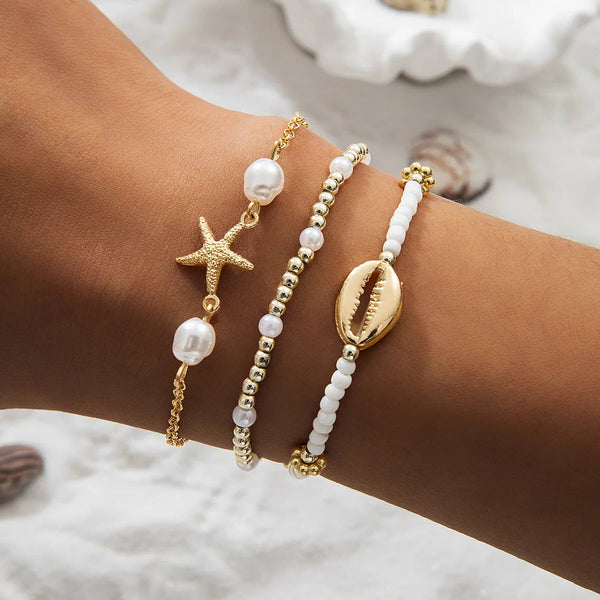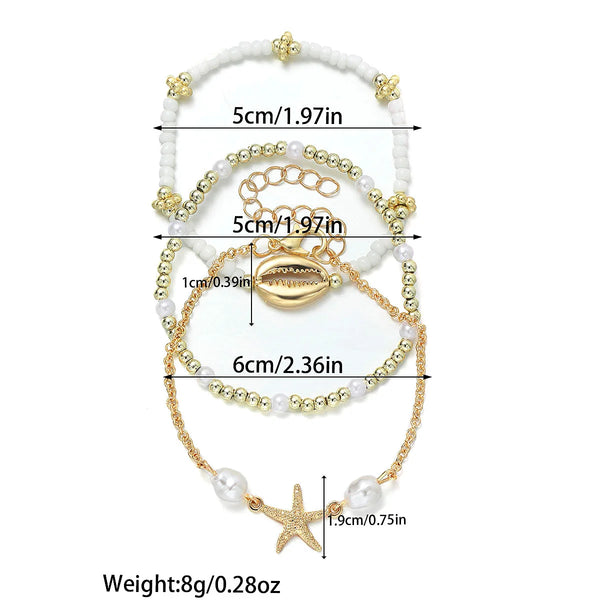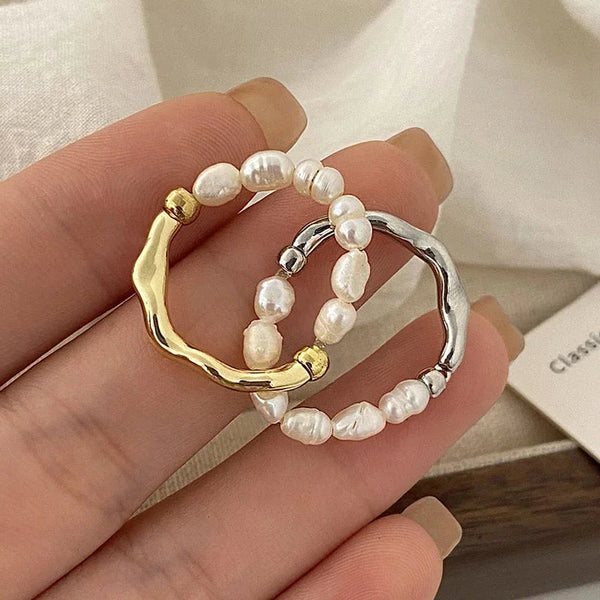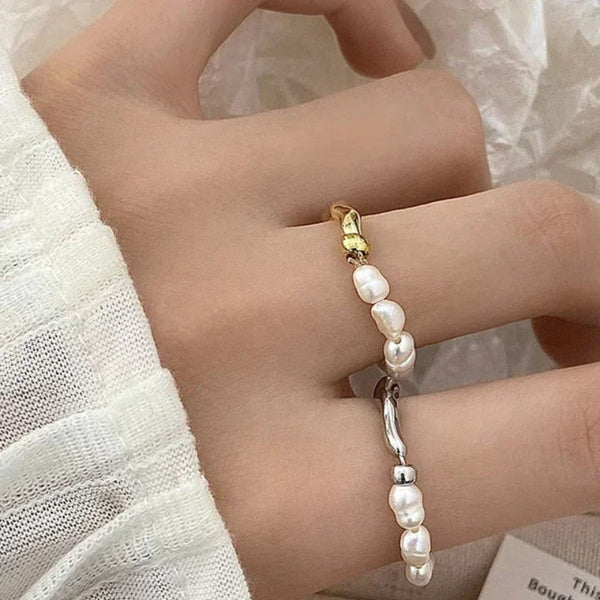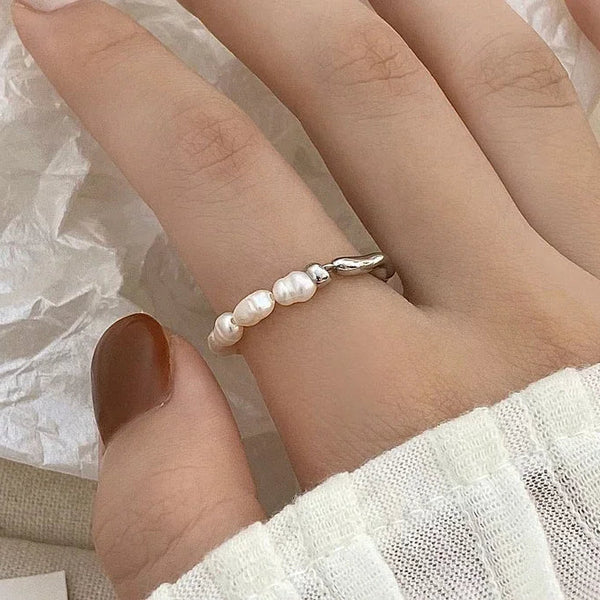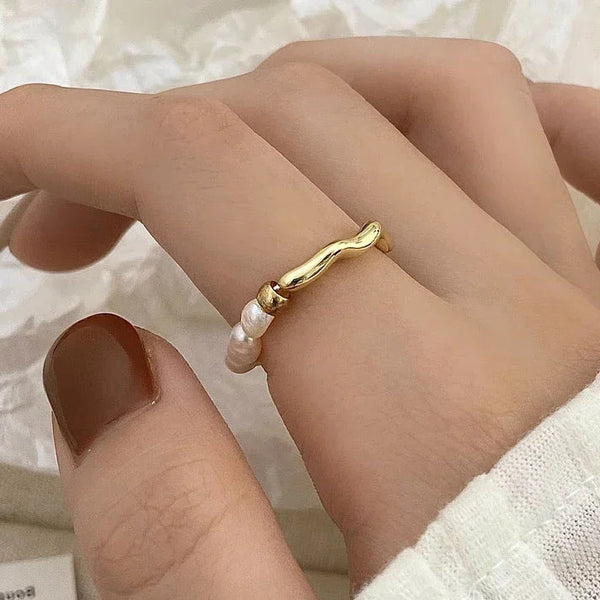

You already know you want one. The real question is where to buy it, and how to tell the difference between a ring that becomes your lucky talisman and one that flakes by September. Here's the short answer: look for genuine shell rather than printed resin, a solid metal base like stainless steel, sterling silver or thick 18k gold plating, clear information about water and sizing, and a brand that tells you where its shells come from. Everything else is detail. Below, we walk through each point so you can shop with your eyes open and your intuition switched on.
What to Look For in a Shell Ring Shop (The Short Answer)
A good shop makes your decision easy. Photos show the shell from several angles, including the back of the band. The material is named plainly, not hidden behind words like "shell-effect" or "ocean-inspired finish". Sizing is explained, returns are human, and the shells are described as hand-selected rather than anonymous. When a seller is proud of how a piece is made, they tell you. When they're not, they show you a sunset photo and hope you stop asking.
The 5-Point Checklist Before You Add to Cart
- Real shell or not? The listing should say natural shell, mother-of-pearl, cowrie or abalone, with no vague wording.
- What's under the shell? Stainless steel, sterling silver, gold vermeil or 14k gold. If no metal is named, assume the cheapest option.
- Water reality. A good shop tells you what the ring can handle, instead of promising it's indestructible.
- Sizing help. A size chart in millimetres, or an adjustable band.
- Sourcing. Shells gathered from the shore, handcrafted finishing, small batches.
Real Shell vs. Resin vs. Shell-Inlay: Know What You're Actually Buying
Three very different things get sold under the same name. Natural shell is the whole piece, cut and polished, with its own weight and texture. Shell inlay means slices of mother-of-pearl or abalone set into a metal band, flush and smooth. Resin is plastic, sometimes with a printed rainbow sheen that mimics nacre. None of them are shameful, but only the first two age beautifully. Resin yellows, scratches and loses its glow after a season in the sun.
Natural Cowrie, Conch & Scallop: How Each Shell Wears
Cowrie is the little rounded shell with a toothed opening, glossy as a wet pebble. It's dense, it survives daily wear, and it carries centuries of symbolism around femininity and abundance. Conch gives you those warm pink and cream tones, often cut into curved, sculptural shapes. Scallop fans out in ridges and reads more vintage, more heirloom. Each one catches the light differently, so choose the one your hand keeps coming back to.
Mother-of-Pearl and Abalone Inlay: Iridescence That Lasts
Mother-of-pearl is the shimmering inner layer of certain shells, and it's the most wearable shell material there is. Flat, hard and naturally pearlescent, it sits close to the finger without snagging on sleeves. Abalone brings the deeper blues and greens, almost oil-slick in sunlight. Both hold their shine for years when the band around them is honest metal. A smooth, low-profile piece like the Minimalist Shell Ring is the kind you forget you're wearing until someone asks about it.

How to Spot a Real Shell Ring in Product Photos
Zoom in. Natural shell has irregular banding, faint growth lines and tiny colour shifts that never repeat twice. Resin looks suspiciously perfect, with the same swirl on every ring in the listing. Look for a photo on a real hand, in daylight. If every image is a glossy render, be suspicious. Honest shops also mention variation, because no two shells are identical and they'd rather tell you now.
The Metal Underneath Matters More Than You Think
The shell is why you fell in love. The metal is why you'll still be wearing it next summer. Most disappointments with shell jewellery have nothing to do with the shell itself: the band turns green, the plating rubs off at the back, the setting loosens. Spend thirty seconds reading the metal description and you avoid almost all of it.
18k Gold Plating, 14k Gold, Vermeil & Sterling Silver, Decoded
- Stainless steel with 18k PVD plating: PVD is a bonding process that fuses the gold layer to the steel. Tough, water-friendly, excellent value for everyday wear.
- Gold vermeil: a thick gold layer over sterling silver. Warm, precious, a little more delicate.
- Sterling silver (925): classic and hypoallergenic for most skin. It tarnishes, but polishes back.
- Solid 14k gold: the forever option, priced accordingly.
- Unnamed "gold alloy": usually a thin flash of colour over a soft base. Walk on.
Will It Survive the Ocean? Water Resistance & Tarnish Reality Check
Stainless steel handles salt water, rain and sweat without blinking. Plated pieces survive splashes but prefer not to swim daily. Sterling silver can go in the sea, though it will darken faster. Natural shell dislikes long soaks, since water seeps into the porous edges and dulls the surface over time. A quick rinse in fresh water after the beach does more for your ring than any expensive cleaner.
Sensitive Skin? What to Ask Before You Buy
Ask for the exact metal, not the colour. Surgical-grade stainless steel and 925 silver are the safest bets for reactive skin. If you've reacted to costume jewellery before, nickel is usually the culprit, so check the listing says nickel-free. A shop that answers that question clearly is a shop worth your money.
Finding Your Size: A Sizing Ritual for Shell Rings
Shell rings sit differently from plain bands, so size with a little care. Fingers swell in heat and shrink in cold water, which matters when your jewellery lives at the beach. Measure in the late afternoon, when your hands are at their most normal size.
Measure at Home in Two Minutes (No Kit Required)
Cut a thin strip of paper, wrap it snugly around the base of your finger, and mark where it overlaps. Lay it flat and measure the length in millimetres: that's your inner circumference. Check it against the shop's chart. Then test it over your knuckle, because the ring has to travel past it. If you land between two sizes, take the larger one for a chunky piece and the smaller for a fine band.
Why Adjustable Bands Are a Free Spirit's Best Friend
Adjustable rings solve the between-sizes problem and move from finger to finger as the mood takes you. They're also forgiving on hot days. The Golden Hour Multi-Shell Adjustable Ring is a good example: open band, several shells, and no anxiety about ordering the wrong number. Open the ring gently with both hands when you resize it, never by force on one side.

Sizing Chunky Shell Statement Rings vs. Minimalist Bands
A wide band covers more skin and feels tighter than a thin one at the same size. Go up half a size for anything sculptural or domed. Fine bands can sit true to size, and they stack beautifully when they're slightly snug.
Shopping Your Values: Sustainable, Ethical & Artisan-Made
Buying with intention means knowing what you're taking from the sea, and how.
Ethically Gathered Shells: The Questions Worth Asking
Were the shells collected empty, from the shore? Are they by-products rather than harvested live? Does the shop work in small batches instead of industrial volume? These questions are fair, and the answers are usually visible in how a brand talks about its materials. Hand-selected shells are described one by one. Bulk shells are described by the kilo.
Handcrafted vs. Mass-Produced: How to Tell the Difference
Handcrafted pieces show slight variations: a shell set a hair off-centre, a colour that differs from the photo. Mass production is uniform and lifeless. Read the care notes too, because artisans tell you how to look after their work. A boho-chic piece made by hand carries the fingerprint of the person who shaped it, and that's exactly what makes it yours.
Small-Batch Packaging, Transparency & Fair Craft
Recycled or minimal packaging, clear material lists, real photos, responsive customer service. Small signals, but together they tell you whether a shop respects the ocean it borrows from.
Choosing the Shell Ring That Matches Your Soul
Minimalist & Everyday: Quiet Coastal Elegance
A slim band with a single pale shell goes with linen shirts, office days and bare skin. It layers under everything and never competes. If you want one ring you'll literally never take off, start here.
Statement & Sculptural: For the Woman Who Arrives First
Bigger shells, bolder silhouettes, more gold. The Starfish Shell Ring is the kind of piece people notice before they notice your outfit. Wear it alone on the index finger and let it do the talking.

Gold Shell Rings, Vintage-Inspired Pieces & Cowrie Classics
Gold warms up mother-of-pearl and flatters every skin tone. Vintage-leaning designs, with scalloped edges or antiqued detail, feel like something inherited. Cowrie remains the eternal classic, the shell of surf towns and sun-bleached summers, and it never looks dated.
How to Style Your Shell Ring (Stacking, Layering, Living In It)
Building a Stack That Looks Collected, Not Cluttered
Stick to one metal tone for cohesion. Mix widths, not shapes: one statement piece, two or three fine bands around it. Leave one finger bare so the eye can rest. Odd numbers always look more natural than even ones.
Pairing Rings with Shell Bracelets, Chokers & Belly Chains
Echo the shell, don't duplicate it. A cowrie ring sits beautifully beside a cowrie bracelet when the rest of your jewellery stays quiet. Keep one area of the body as the focus, whether that's your hands, your neckline or your waist.
Beach Day to Dinner: One Ring, Three Moods
Morning: bare hands, salt in your hair, ring alone. Afternoon: add a thin band and a bracelet. Evening: gold earrings, loose dress, and the same shell catching candlelight. Nothing changes but the context.
Caring for Your Shell Ring So It Outlives the Summer
Salt Water, Sunscreen, Chlorine: What's Safe and What Isn't
Chlorine is the real enemy, far more than the sea. Sunscreen and oils leave a film that dulls shell, so apply them before you put your rings on. Perfume goes on first too, always. Rinse with fresh water after swimming and dry with a soft cloth.
Cleaning & Storing Natural Shell Without Dulling It
Lukewarm water, a drop of mild soap, a soft cloth. No ultrasonic cleaners, no abrasive polish, no chemical dips. Store your rings separately in a pouch or lined box so harder stones don't scratch the nacre. A spot away from direct sun keeps the colours deep.
Price, Value & What a Quality Shell Ring Should Cost
Expect to pay modest prices for well-made stainless steel and plated pieces, more for sterling silver and vermeil, and considerably more for solid gold. Anything suspiciously cheap is usually resin on a soft base. Value isn't about the lowest number, it's about cost per summer worn.
Red Flags: Shops to Walk Away From
- No material named anywhere on the page.
- Stock photos only, no hand shots.
- No size chart and no adjustable option.
- No returns policy, or one buried in fine print.
- Dozens of "handmade" pieces that look machine-identical.
Shipping, Returns & Gifting Considerations
Check the delivery window before a birthday, and look for tracked shipping. If you're buying a gift and don't know her size, an adjustable band removes all the guesswork. Keep the packaging until you've tried the ring on, in case you need to exchange it.
Ready to Choose Yours? Where to Begin in Our Shell Ring Collection
Start with how you live, not with the photo you liked most. Swim daily? Choose stainless steel. Between sizes or buying for someone else? Take an adjustable band. Want one piece that carries a whole summer in it? Go bold and wear it alone. Our rings are handcrafted from hand-selected natural shells, which means yours will have markings no other ring has. That small imperfection is the proof it came from the sea, and the reason it'll feel like a talisman rather than a souvenir.
Shell Ring FAQ
Can I wear my shell ring in the sea?
Yes, briefly. Stainless steel copes easily with salt water. Rinse the ring in fresh water afterwards and dry it, since long soaks dull natural shell over time. Keep it off in chlorinated pools.
How do I know the shell is real and not resin?
Real shell has irregular lines, uneven colour and a cool, dense feel. Resin repeats the same swirl on every piece and feels light and warm. Close-up photos and an explicit material description are your best clues.
What size should I order if I'm between two sizes?
Go up for wide or chunky designs, and down for fine bands. If you're unsure, an adjustable ring solves it completely and still sits securely.
Will a gold-plated shell ring fade?
Quality 18k PVD plating over stainless steel holds its colour for a long time with normal wear. Fading usually comes from thin plating, perfume and sunscreen. Put your jewellery on last, and it keeps its glow.