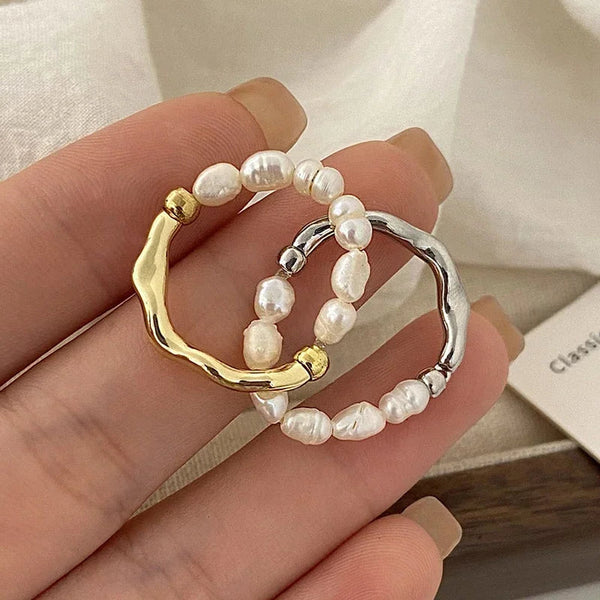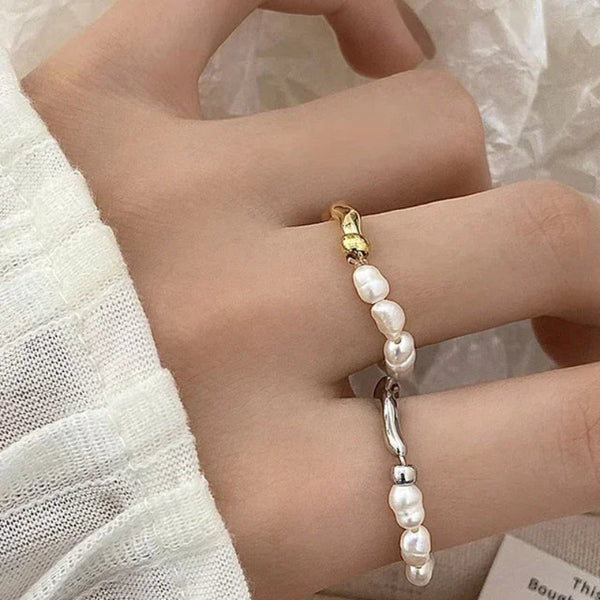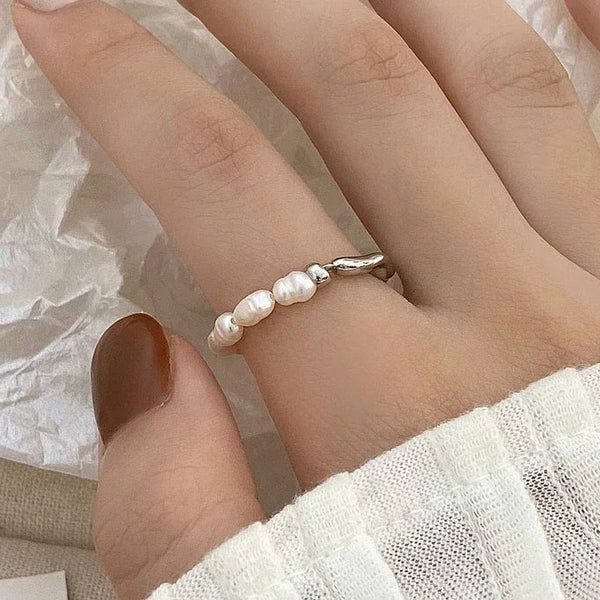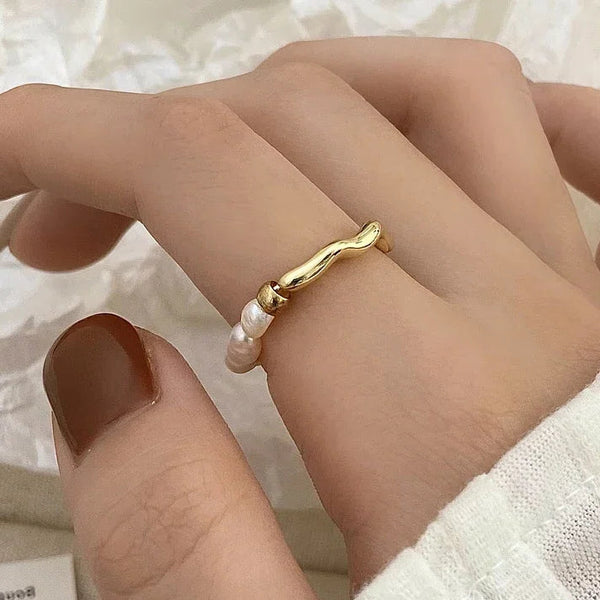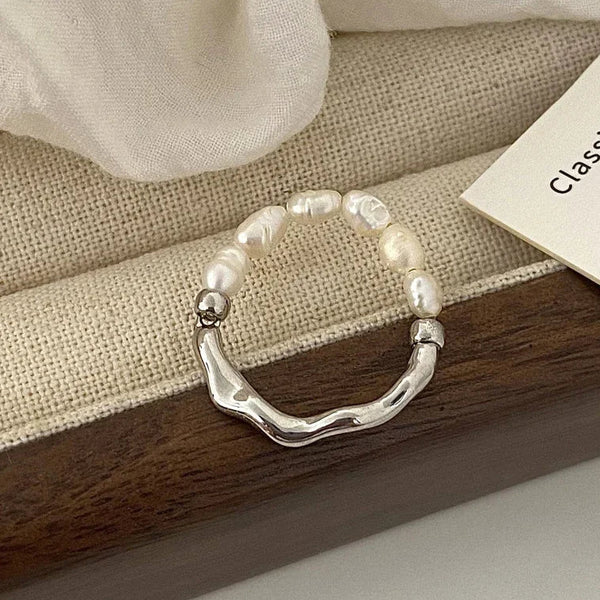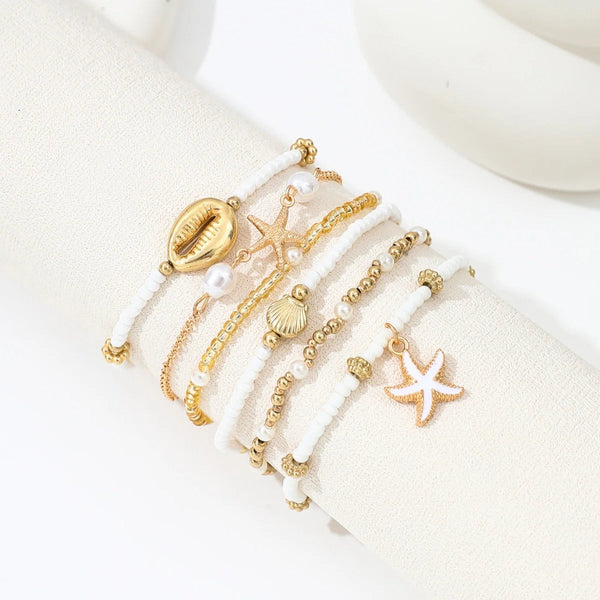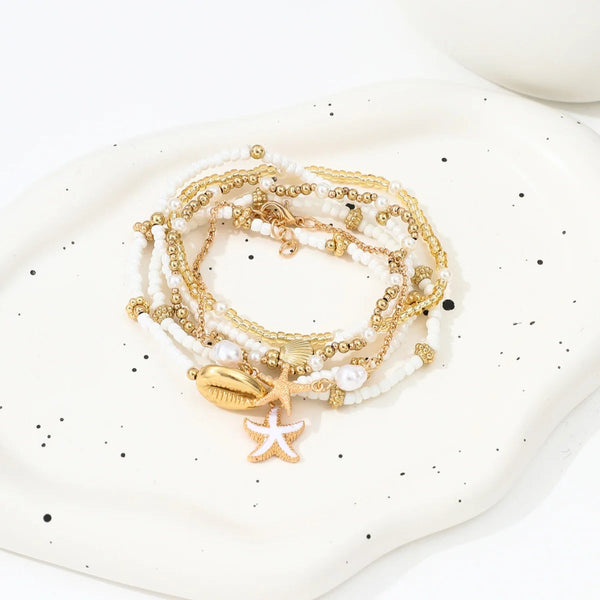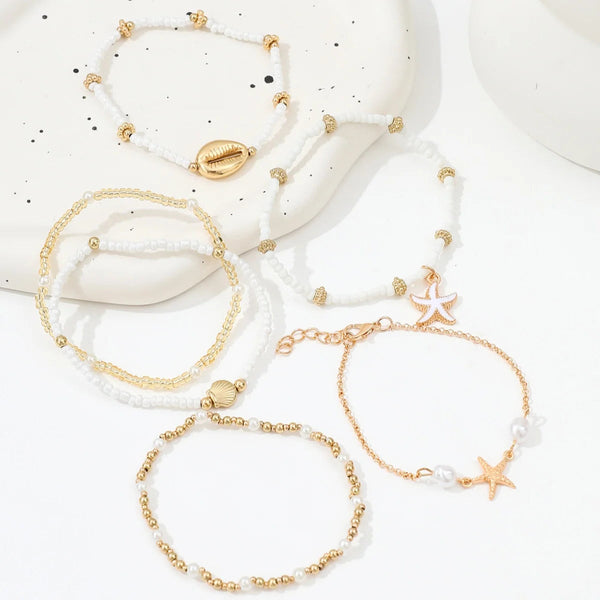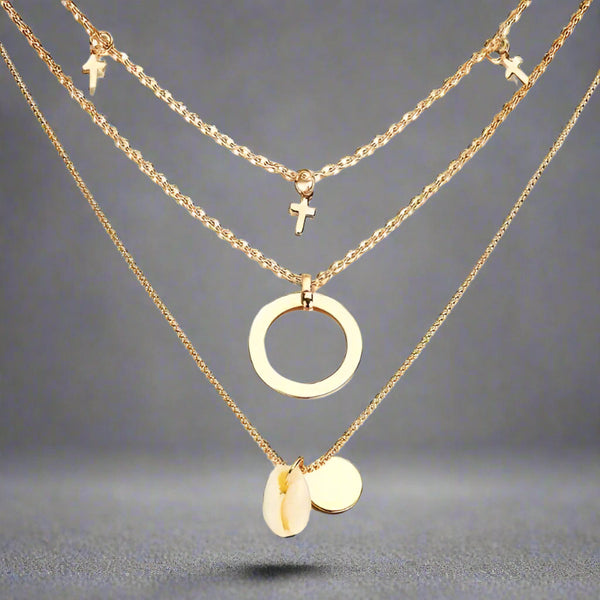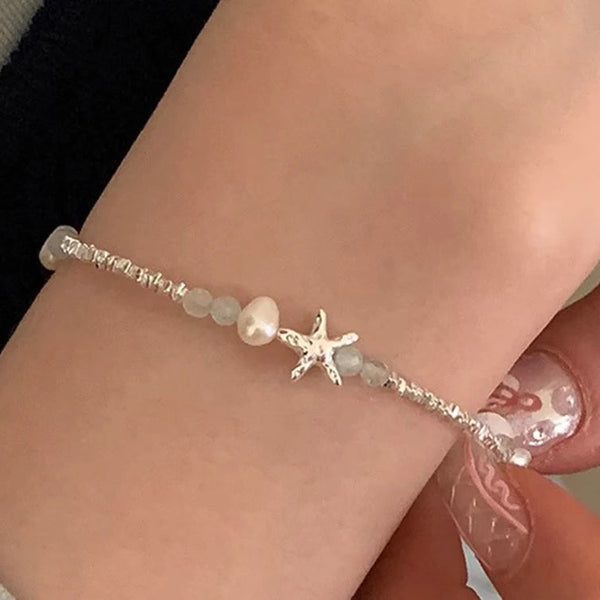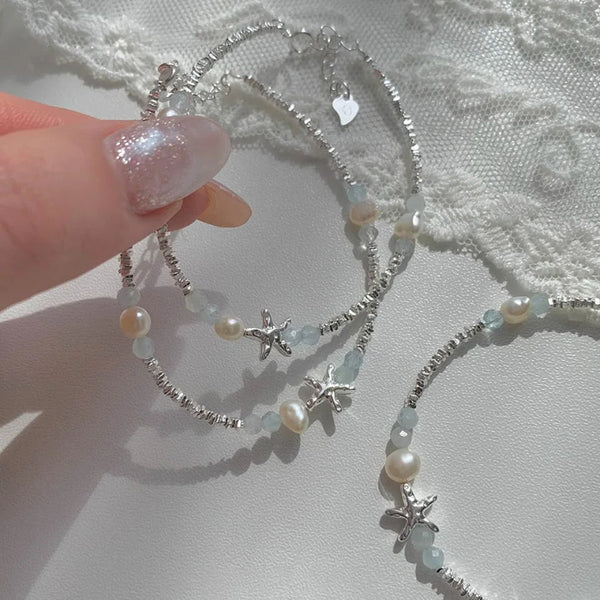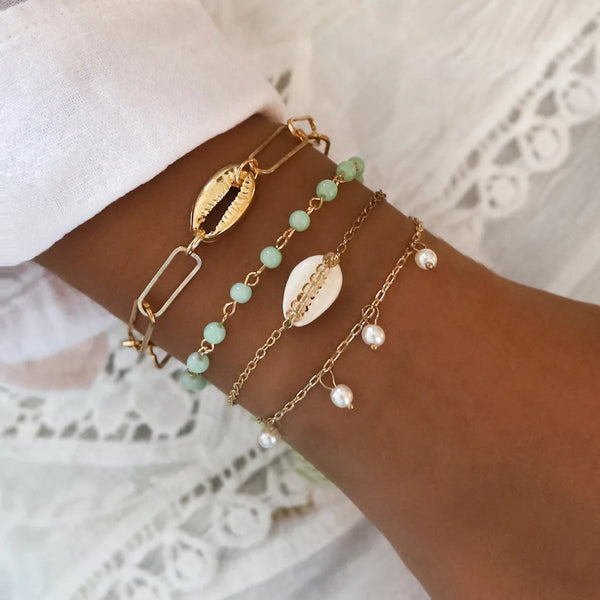

The metal feels cold against the jugular. A sharp, clinical chill that warms to the pulse within seconds. This is the physiological signature of 925 sterling silver—a material that refuses to vanish into the landfill of fast fashion.
Your finger turns a bruised, swampy green. The necklace you bought three weeks ago is shedding its skin, revealing a dull, grey, industrial corpse beneath a thin film of "silver" wash. You feel the sting of a transaction gone wrong. The modern market is saturated with disposable alloys, ghost-metals that haunt your jewelry box before dissolving into trash.
At ShellVibe, we reject the temporary. We deal in the molecular weight of the Earth. Authentic 925 sterling silver is not a coating; it is a structural integrity. It is 92.5% pure elemental silver, bound to 7.5% copper for a hardness that survives the Atlantic's teeth.
1. The Molecular Betrayal: Understanding the Green Stain
The Electrolytic Reaction
Copper reacts. When the 7.5% copper alloy in sterling silver encounters the acidic sweat of a human neck, a chemical dance begins. This is not a failure of quality. It is a biological confirmation of authenticity. The green mark is copper carbonate. It is the same oxidation that turns the Statue of Liberty into a teal sentinel. Cheap "silver-filled" jewelry often hides lead or nickel—substances that don't just stain the skin, but penetrate the bloodstream.
Skin pH and Environmental Factors
High humidity in Queensland or the salt-heavy mists of Cornwall accelerate this process. Your body chemistry is a variable. Some days, the silver remains bright. Other days, during a heatwave or a period of high stress, the acidity of your sweat spikes. The metal mirrors your internal state. It is a living material, far removed from the inert, dead plastic of "costume" pieces.
The Solution to Oxidation
Wipe it. A simple microfiber cloth strips the copper carbonate away. If the metal is peeling like a sunburn, it is not silver. Real sterling silver is silver all the way through the bone. You can grind it, scratch it, or lose it at the bottom of a tide pool for a century, and the core remains unchanged.
2. 1300 AD: The Birth of the Hallmark
The Edwardian Decree
King Edward I of England did not trust merchants. In 1300, he established the "Guardians of the Craft of Goldsmiths." They mandated the leopard's head mark. This was the first consumer protection law. It ensured that "sterling" was a fixed value. When you see "925" stamped into a ShellVibe ring, you are looking at a 700-year-old promise.
The Tower of London Standards
For centuries, the purity of silver was checked at the Assay Office. They used fire. They melted a sliver of the metal to ensure the copper-to-silver ratio was exact. Today, X-ray fluorescence does the job, but the standard remains immovable. Anything less than 92.5% cannot carry the name.
Global Hallmarking Variations
In the UK, the hallmark is a legal requirement. In the USA, the "925" or "Ster" stamp suffices. In Australia, the tradition follows the British lineage. Regardless of the geography, the stamp is the soul of the piece. Without it, the jewelry is a mystery metal, a cocktail of industrial scraps.
3. The Scent of Silt and Silver
Sensory Identification
Silver has no smell. If your "silver" chain smells like a handful of old pennies or a wet iron pipe, it is heavily adulterated with zinc or tin. Authentic 925 silver is odorless, cold, and heavy. It carries a specific gravity of 10.49. It feels substantial in the palm, a weighted reminder of the earth's crust.
The Thermal Conductivity of 925
Silver is the most thermally conductive metal on the periodic table. Place a piece of ice on a sterling silver pendant; the ice melts as if touched by a hot stove. The metal pulls heat from the air and transfers it instantly. This thermal agility is why silver jewelry feels "warm" shortly after you put it on. It adapts to your body temperature.
The Sound of Purity
Drop a sterling silver ring on a marble countertop. It rings with a high-pitched, crystalline "ping." A fake, lead-heavy piece will hit with a dull, flat thud. The vibration of the 925 lattice is a signature of its molecular tight-knit structure.

4. Maritime Corrosion: The Sea's Hunger for Base Metals
Sodium Chloride vs. Silver
Saltwater is a conductive soup. It facilitates the movement of electrons. For plated jewelry, the ocean is a death sentence. The salt penetrates micro-cracks in the plating, reaching the brass core. The resulting galvanic corrosion causes the plating to flake off in jagged shards.
Silver Chloride Protection
In the ocean, sterling silver develops a thin layer of silver chloride. This layer is dull, but it acts as a sacrificial shield. It protects the structural integrity of the piece. A quick rinse in fresh water after a surf session removes the salt crystals, preventing the buildup of this matte film.
The Longevity of Coastal Wear
ShellVibe jewelry is designed for the shoreline. We understand the specific humidity of the Pacific Northwest and the abrasive sands of the Gold Coast. Our silver isn't a delicate flower; it's a maritime tool. It survives the spray.
 Nomad Soul Turquoise Feather Ring
Solid 925 Sterling Silver base featuring a hand-selected turquoise. Built for the salt, the sand, and the years.
View Authenticity5. The Physics of Tarnish: Sulfur's Invisible Breath
Silver Sulfide (Ag2S)
Hydrogen sulfide is in the air. It comes from burning fossil fuels, rotting organic matter, and even certain foods like eggs. When sulfur touches silver, they bond. The result is silver sulfide—a black, soot-like tarnish. This is not rot. It is a surface reaction.
The Volcanic Connection
Travelers to Rotorua, New Zealand, or the hot springs of Iceland find their silver turning black in minutes. The sulfur-rich air is aggressive. But this "black silver" is often prized by designers for its "oxidized" look, highlighting the deep recesses of a carved shell or a textured wave.
Prevention and Reversal
Store your silver in an airtight environment. Use a tarnish strip. Or, better yet, wear it. The constant friction against your skin and clothes acts as a natural polishing mechanism. The pieces you wear every day stay the brightest.
6. The Dermatological War: Nickel, Lead, and the Human Barrier
Contact Dermatitis
The "itch." Cheap jewelry is often alloyed with nickel because it's hard and cheap. For 15% of the population, nickel causes an allergic reaction. Redness, blisters, and weeping skin. 925 sterling silver is nickel-free. It is the safe harbor for sensitive skin.
The Lead Crisis in Fast Fashion
Testing of "cheap" jewelry imports often reveals high levels of lead and cadmium. These are neurotoxins. They have no place on your skin. By choosing certified 925 silver, you are opting out of a toxic supply chain that prioritizes margins over human health.
Hypoallergenic Reality
While some people are allergic to copper, it is rare. Most "silver allergies" are actually nickel allergies. Switching to high-purity sterling silver usually resolves the irritation immediately. It is the professional's choice for piercings and long-term wear.
7. Fossilized Moment: The 1857 Wreck of the SS Central America
The "Ship of Gold" sank in a hurricane off South Carolina. When the remotely operated vehicles reached the wreck at 7,200 feet below the surface, they found silver artifacts. The pressure was 3,200 pounds per square inch. The temperature was near freezing.
The silver was black, but intact. The spoons, the personal effects, the silver-mounted pistols—they had held their shape for over a century in one of the most hostile environments on Earth. This is the definition of "non-disposable." A plastic button would have been crushed. A plated ring would have been a ghost. The silver remained.
8. The Nacreous Bond: Silver and the Organic Shell
Aragonite and Nacre
ShellVibe merges the mineral with the biological. A shell is composed of aragonite, a form of calcium carbonate. Like silver, it is a crystalline structure. When we set a shell in 925 silver, we are marrying two materials that share a common enemy: acid.
The Weight of the Cowrie
A natural cowrie shell has a density that feels like ceramic. It is cool to the touch. The silver bezel must be thick enough to protect the delicate "teeth" of the shell while allowing the light to hit the nacre. This isn't assembly-line work; it’s an architectural feat.
Organic Symbiosis
The oils from your skin that keep silver from tarnishing also help keep the organic shell from drying out and becoming brittle. The jewelry thrives on the human body. It is a symbiotic relationship between the wearer and the worn.
9. Artisanal Scarcity vs. Industrial Waste
The Cost of "Cheap"
A $10 silver-plated ring costs the environment far more than its price tag. The mining of base metals, the toxic electroplating baths, and the inevitable disposal create a linear path to destruction. Sterling silver is circular. It can be melted down and repurposed an infinite number of times with zero loss in quality.
The Craftsmanship Gap
Hand-forging 925 silver requires heat, precision, and time. An artisan must understand the "annealing" point—where the metal becomes soft enough to move but hasn't yet reached its melting point of $961.8^\circ\text{C}$.
Investment Value
Silver is a commodity. It has intrinsic value. A box full of plated jewelry is worth $0 at a scrap yard. A box of 925 sterling silver is a liquid asset. You are buying a hedge against the ephemeral nature of modern commerce.
10. Chemical Care: Why Perfume is the Enemy
Volatile Organic Compounds (VOCs)
Your perfume is a chemical cocktail. Alcohol, esters, and synthetic musks. When sprayed directly onto silver, these compounds create a sticky film that traps sulfur and accelerates tarnish. Always apply scents and lotions ten minutes before putting on your silver.
Chlorine and the "Brittle" Effect
Pool water is harsh. Chlorine doesn't just tarnish silver; it can actually attack the grain boundaries of the metal, making it brittle over time. If you’re a pool swimmer, leave the silver in the locker. Save it for the ocean.
The Baking Soda Myth
Many "home hacks" suggest scrubbing silver with toothpaste or baking soda paste. Avoid this. These are abrasives. They create microscopic scratches that make the metal look dull. Use a dedicated polishing cloth or an ultrasonic cleaner if the piece has complex geometry.
11. Measuring Worth in Grams and History
The Specific Gravity Test
To verify a piece, use the Archimedes method. Weigh the piece. Then weigh it submerged in water. The ratio should be approximately 10.5. If it’s significantly lower, you’re holding a core of aluminum or zinc.
The Hallmark Location
On a ring, the "925" is usually on the inner band. On a chain, it’s on the clasp or a small tag near the link. If the hallmark is blurry or looks "cast" rather than "stamped," proceed with caution. Genuine hallmarks are sharp and deliberate.
The ShellVibe Guarantee
We don't hide behind "silver-tone" or "silver-colored" labels. We provide the specific mineral weight. We provide the origin. Our silver is sourced from refiners who adhere to the Responsible Jewellery Council standards.
12. The Ethics of the Extraction
Responsible Mining
The extraction of silver has historically been a heavy burden on the earth. We prioritize recycled silver—metal that has been reclaimed from industrial scrap, old jewelry, and electronics. This "urban mining" reduces the need for new open-pit mines.
The Human Element
Beyond the metal is the person who shaped it. Our silversmiths are masters of their trade. They don't work in sweatshops. They work in studios where the tradition of the hallmark is respected. Every hammer blow is a vote for a better industry.
The End of the Disposable Era
Buying less, but buying better. This is the philosophy of the modern collector. One sterling silver ring that lasts forty years is infinitely more sustainable than forty plated rings that last one year each.
 Ocean Wave Pendant
A hallmarked essential in solid 925 silver. Engineered to withstand the salt air and the passage of decades.
Invest in QualityExpert Insights: FAQ
Why is my skin turning green from 925 silver?
This is a natural chemical reaction between the copper in the 925 alloy and the acidity of your skin or lotions. It is not a sign of poor quality; it is a sign of real metal. It can be washed off with soap and water.
Can I swim in the ocean with ShellVibe jewelry?
Yes. Genuine 925 sterling silver is ocean-safe. However, ensure you rinse the jewelry with fresh water afterward to remove salt crystals that can cause the silver to look dull or tarnish faster.
Is 925 silver hypoallergenic?
Yes, our 925 sterling silver is nickel-free and lead-free, making it safe for those with sensitive skin who typically react to "costume" jewelry.
How do I know if my silver is real?
Look for the "925" hallmark. You can also perform a "magnet test"—silver is non-magnetic. Finally, silver has a very high thermal conductivity; it should feel cold and quickly adjust to your body heat.
Does sterling silver tarnish?
Yes, all real silver tarnishes over time when exposed to sulfur in the air. This is a surface oxidation and can be easily removed with a silver polishing cloth.
The tide is relentless. It grinds stone into sand and wood into pulp. But silver holds. It sits in the silt of the abyss and the sweat of the sun, changing its color but never its soul. You can buy a piece of junk that dies in a month, or you can own a fragment of the earth that will outlive your heartbeat. The choice is in the hallmark. The weight is in your hand. Own the authentic at www.shellvibe.com.