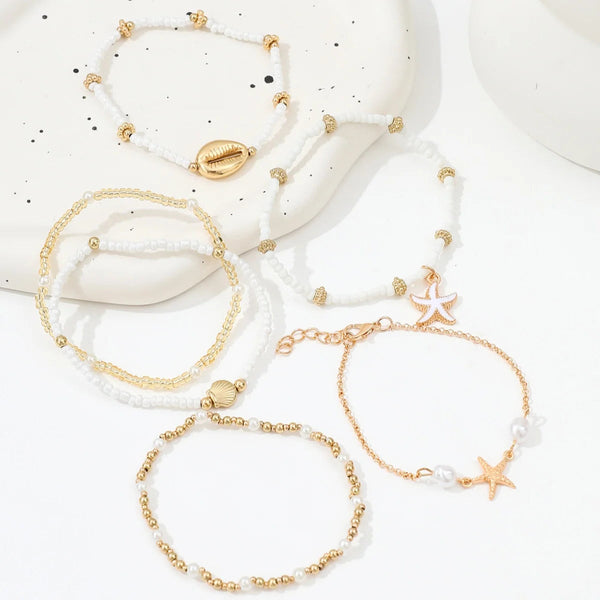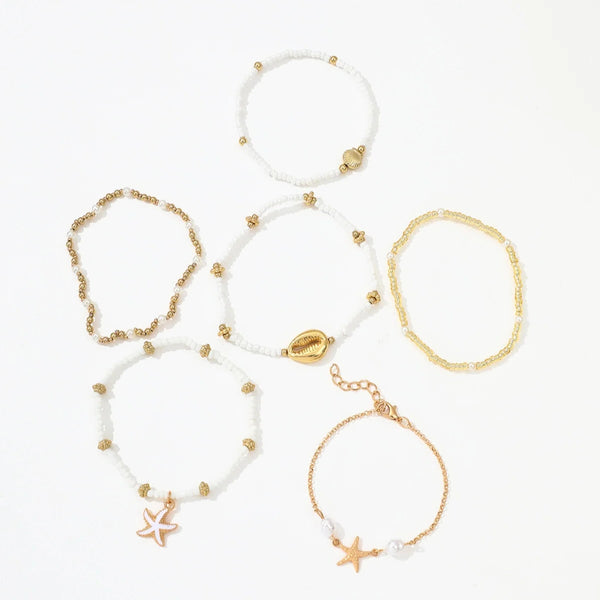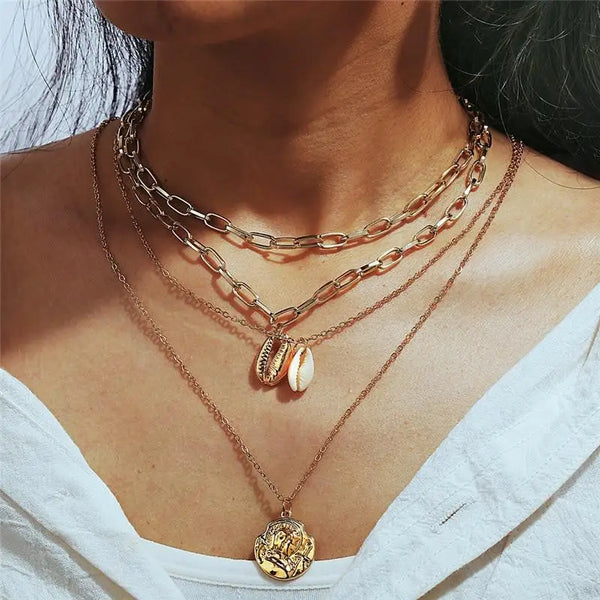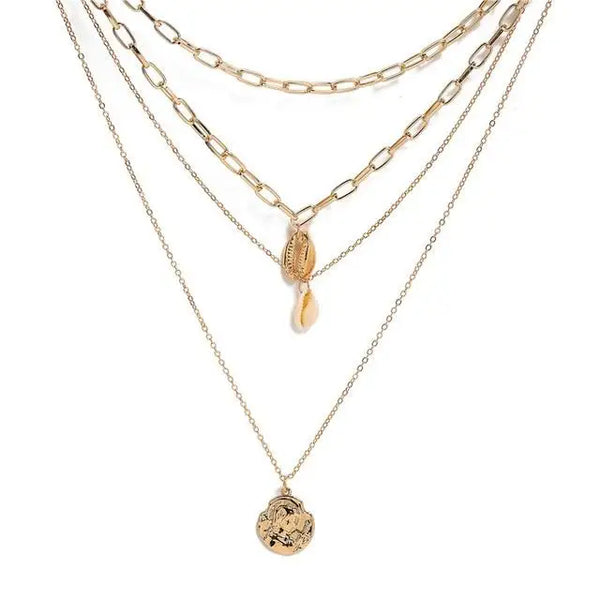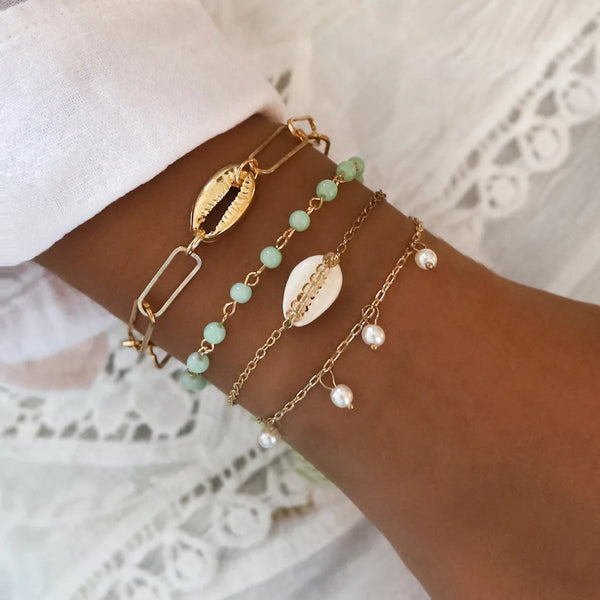


A beach shell necklace earns its place around your neck when three things line up: the shells are real, the strand is hand-strung with care, and the shape flatters the neckline you actually wear. That's the whole secret. Everything else is preference, mood, and the kind of summer you're chasing. Below, a slow walk through choosing yours, from telling shell from resin in seconds to layering gold with pearls at golden hour.
What Makes a Beach Shell Necklace Worth Wearing
The ocean doesn't make two shells alike, and that's exactly the point. A piece worth keeping carries small irregularities: a ridge here, a warmer tone there, a lip that curves a little differently from its neighbour. Hand-strung work matters too, because a knot placed by a human sits differently than a machine crimp. Look for pieces that feel light but solid, with clasps that close cleanly and cord that doesn't fray at the first tug.
Real Shells vs. Resin: How to Tell in Three Seconds
Hold the pendant to your cheek. Real shell stays cool for a moment before it warms; resin is room temperature straight away. Then look at the surface in daylight. Natural shell has faint growth lines, tiny pits, and a shifting glow that moves as you turn it. Resin repeats itself, and repeated patterns across several pendants are the giveaway. One last check: weight. Shell has a quiet density that plastic never quite fakes.
Cord, Chain or Leather: What the Strand Says About You
The strand sets the whole mood before anyone notices the shell.
- Waxed cotton cord: soft, barefoot, the surf-camp classic. Adjustable and forgiving on hot skin.
- Leather: earthier, a little rock and roll, ages beautifully with wear.
- Gold or silver chain: lifts the shell out of holiday territory and into evening.
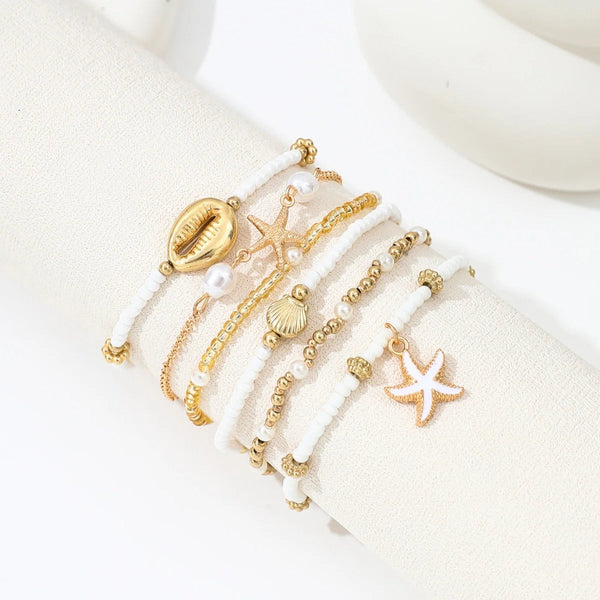
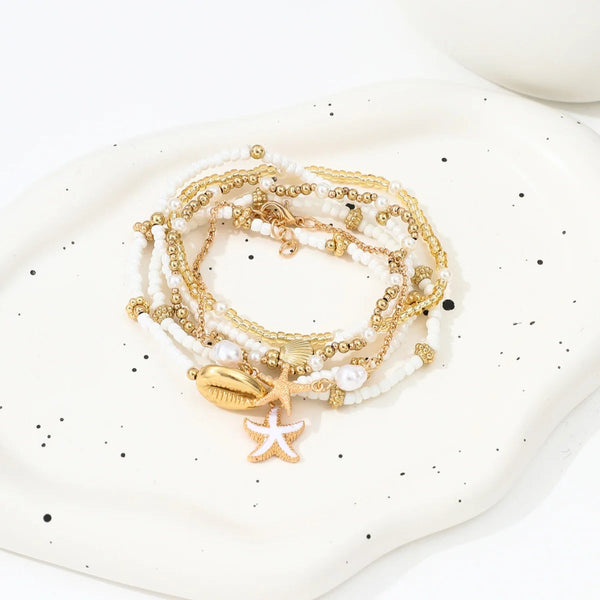
- Beaded strands: playful, textured, made for stacking with everything else you own.
Know Your Shells: A Little Field Guide to Coastal Treasure
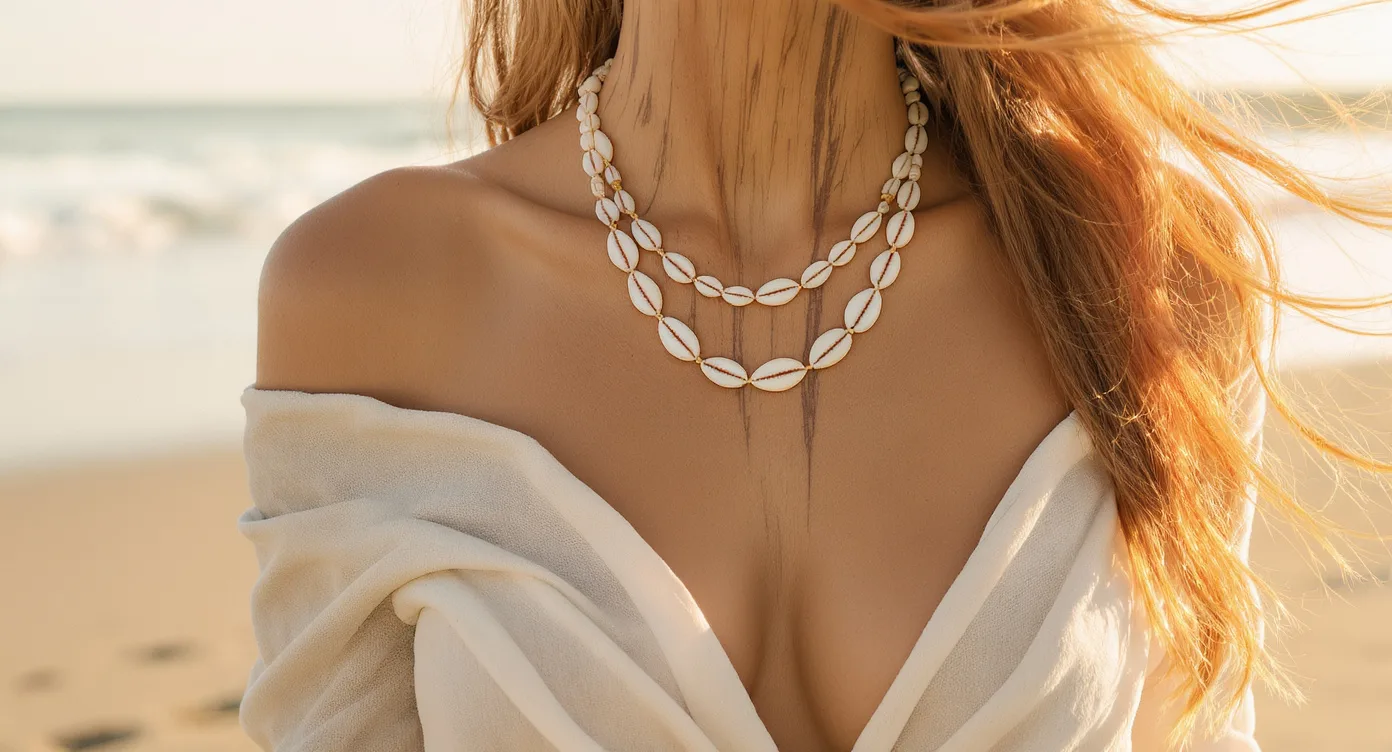
Once you can name what you're drawn to, shopping gets much easier. Each shell has its own character, and most women end up loving one shape above all the others.
Cowrie: The Sun-Warmed Classic
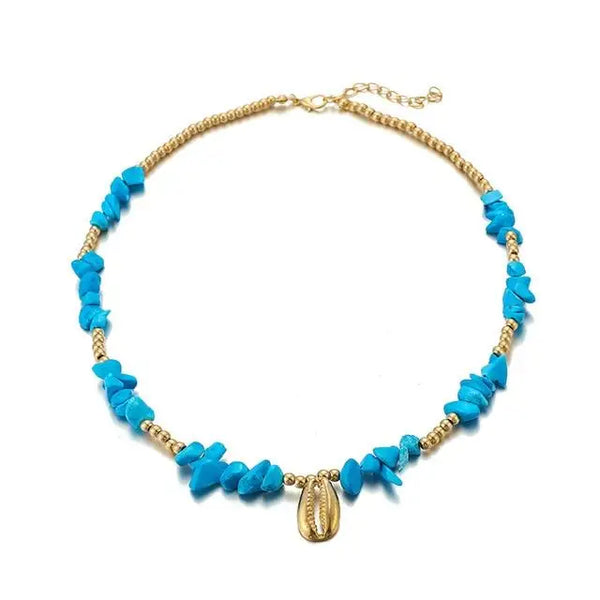
Smooth, domed, with that soft toothed opening underneath, the cowrie is the shell everyone pictures first. It's been worn as adornment and currency across coastal cultures for centuries, which gives it a weight beyond its size. A single cowrie on cord reads pure summer. A row of them reads goddess. If you want the shape that never dates, start with a women's cowrie shell necklace and build from there.

Puka, Conch and Spiral: Texture Straight From the Tideline
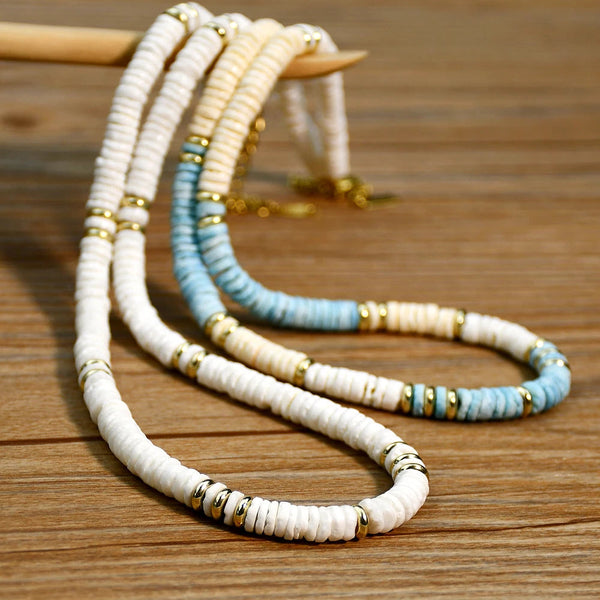
Puka shells are the little sea-worn discs with a natural hole through the middle, tumbled smooth by waves. Strung close together, they create that chalky white ring around the throat you remember from every good beach summer. Conch fragments bring pink and peach tones. Spiral shells add movement and a bit of drama, catching light along their curves. These textures love bare collarbones and tan lines.
Pearl and Shell Together: Where Softness Meets Salt
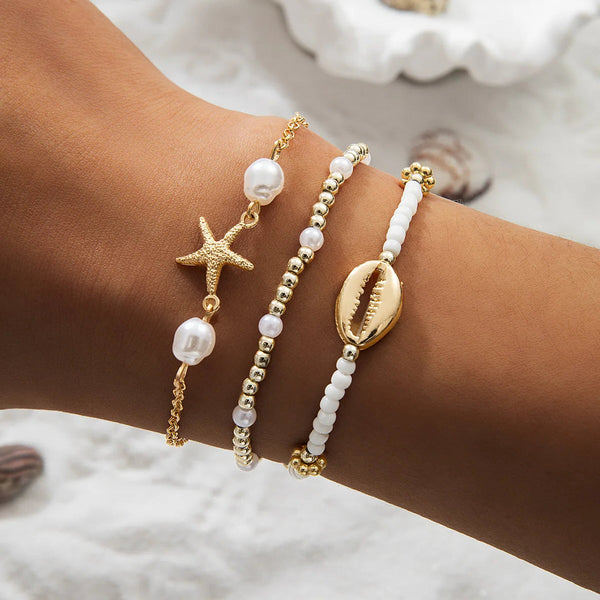
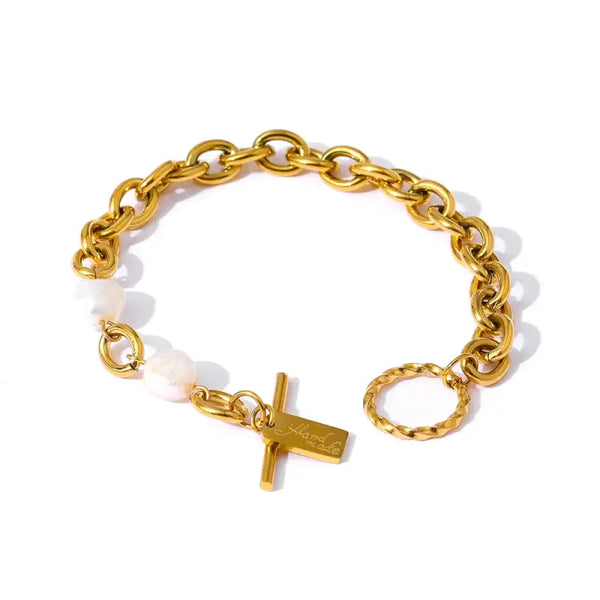
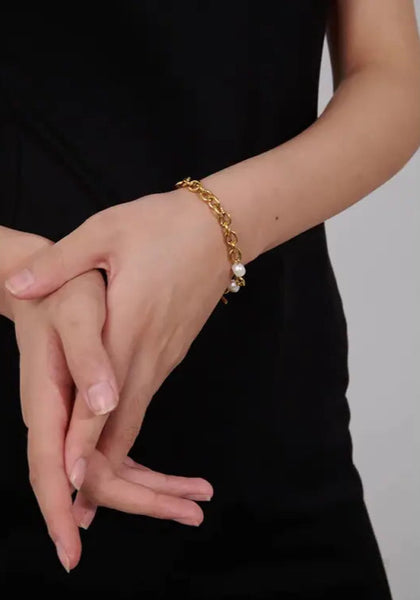
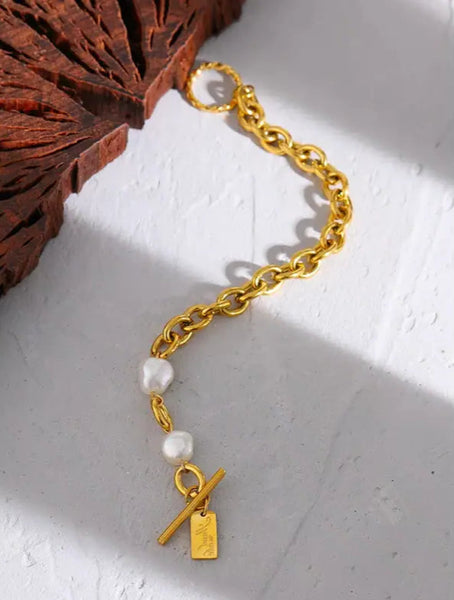
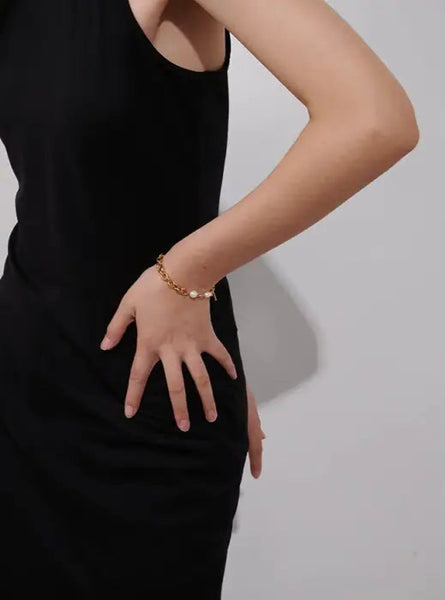
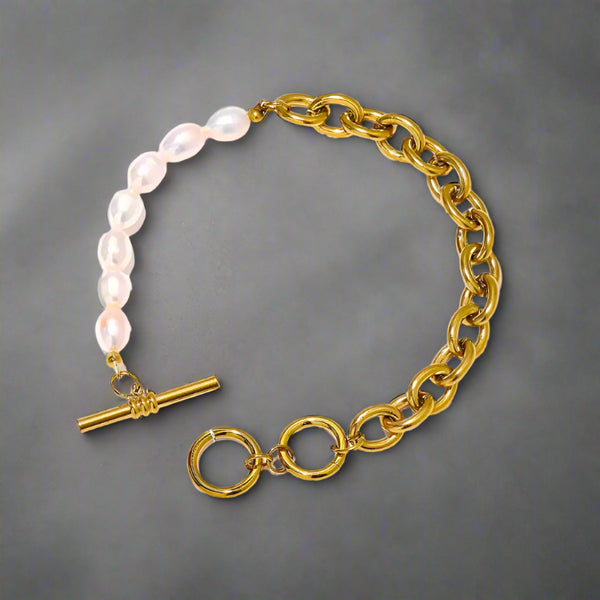
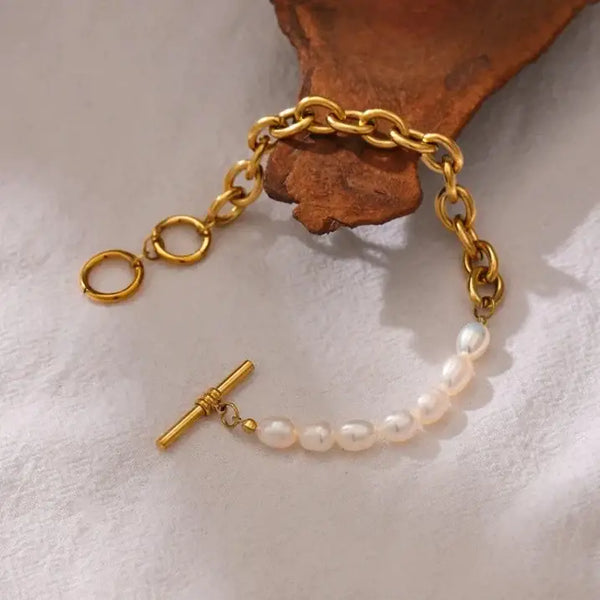
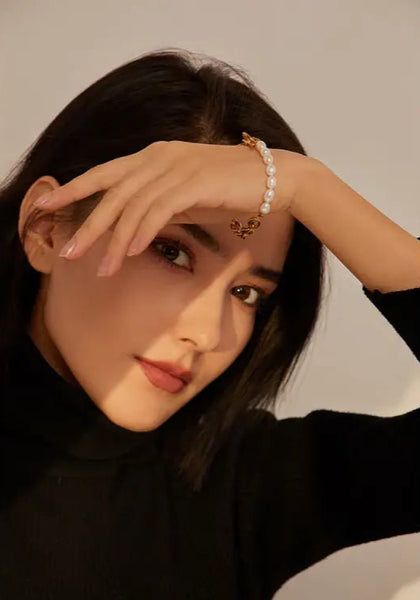
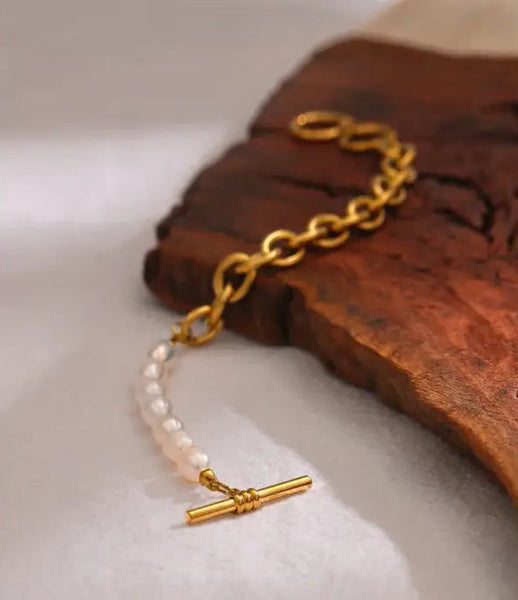
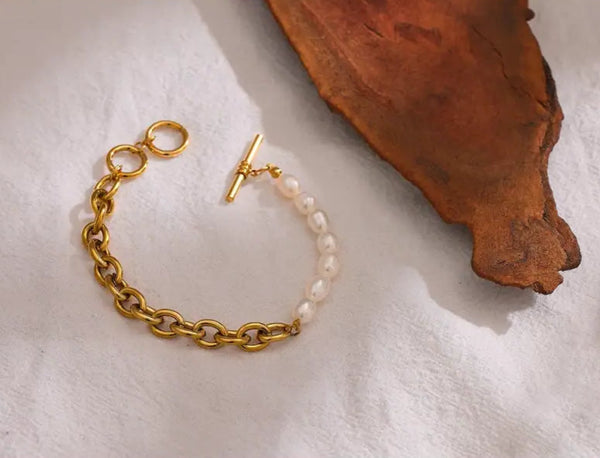
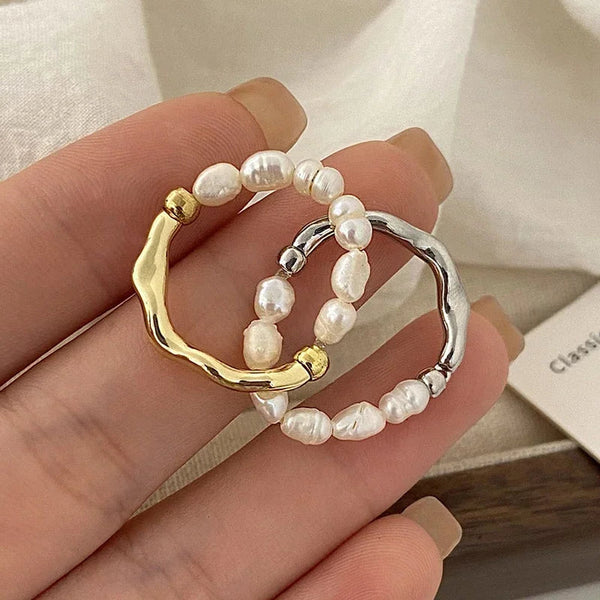
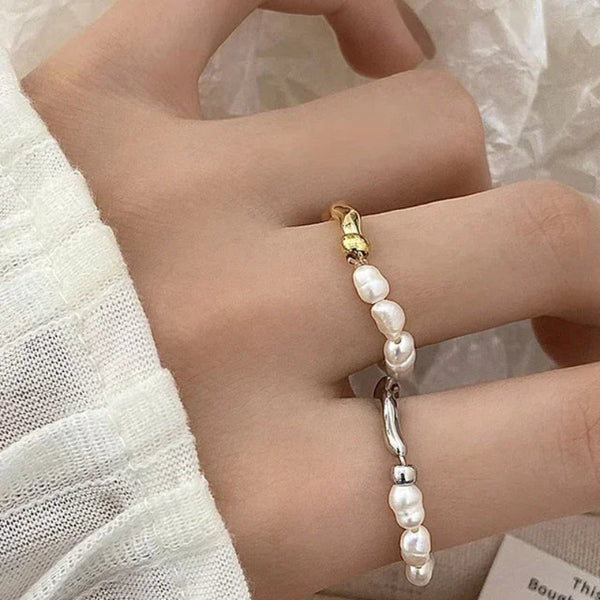
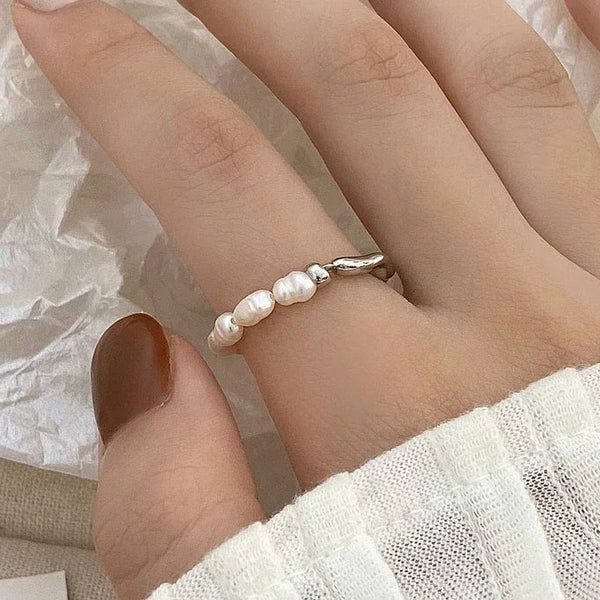
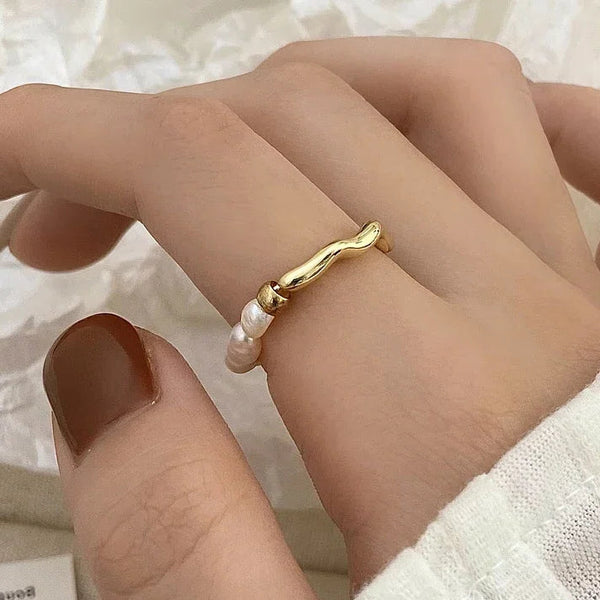
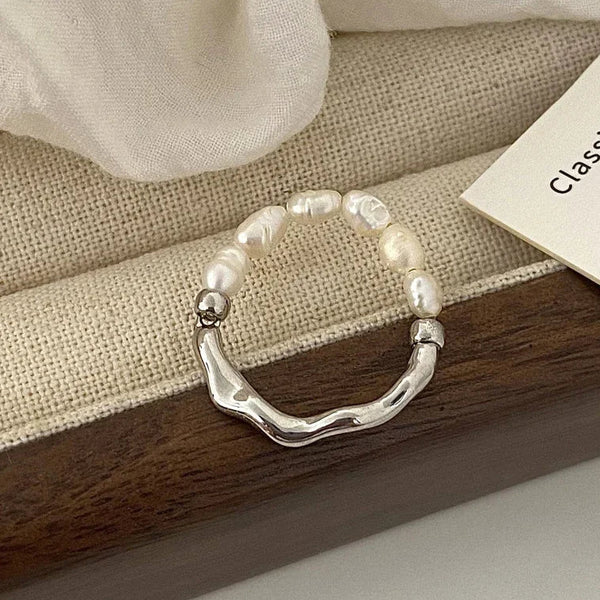
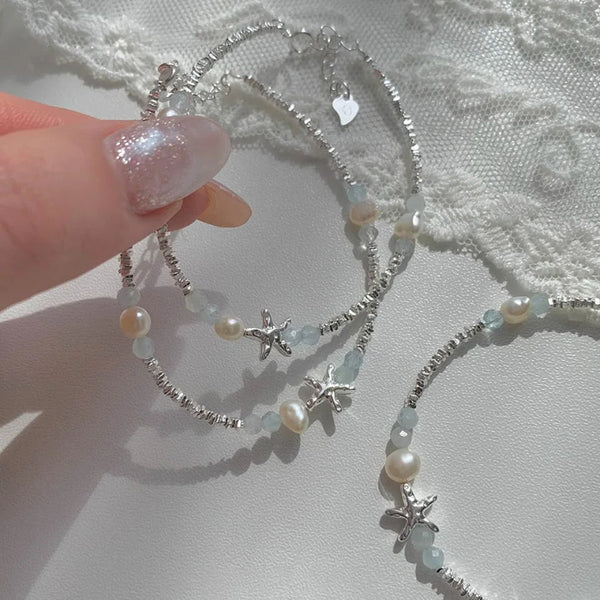
Pearls soften the rawness of shell, and shell keeps pearls from feeling too polished. Together they hit a sweet spot: still bohemian, but dressed. Freshwater pearls in irregular shapes work best here, since their little bumps echo the shell's own imperfection. A pearl and shell necklace is the piece that carries you from beach club lunch to dinner without a single adjustment.

Starfish, Whale Tail and Other Ocean Talismans
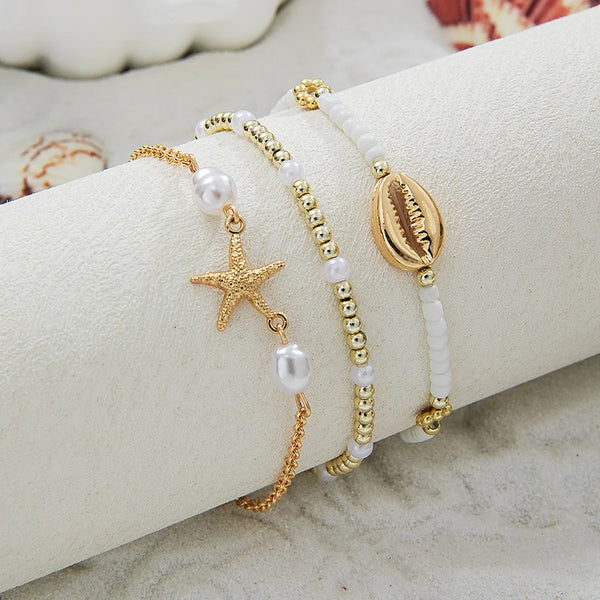
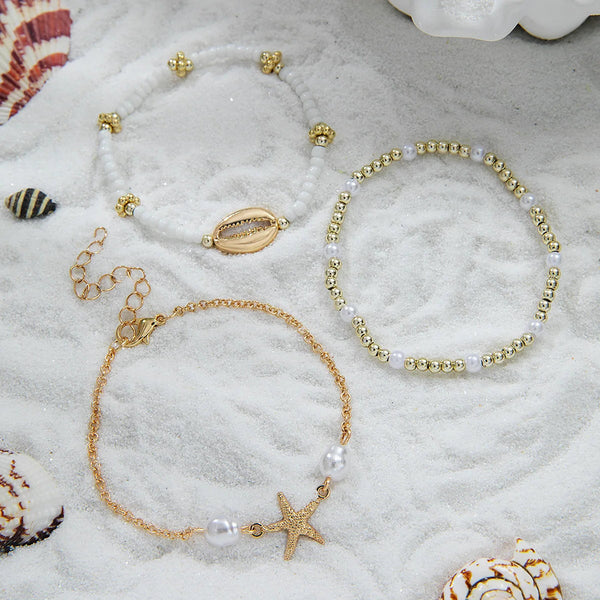
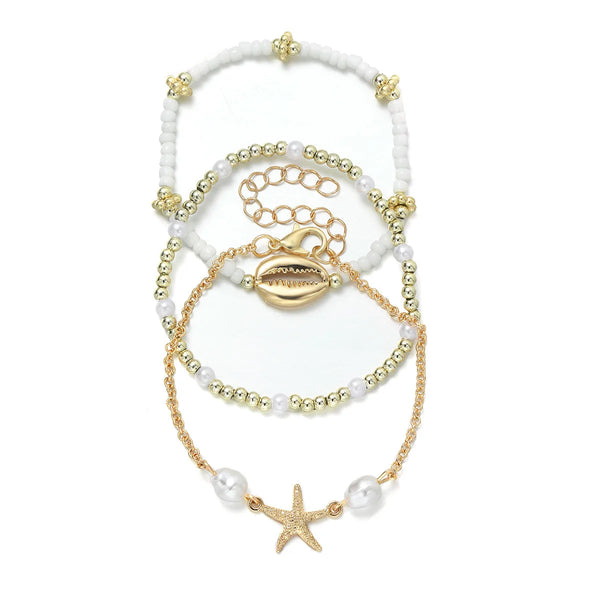
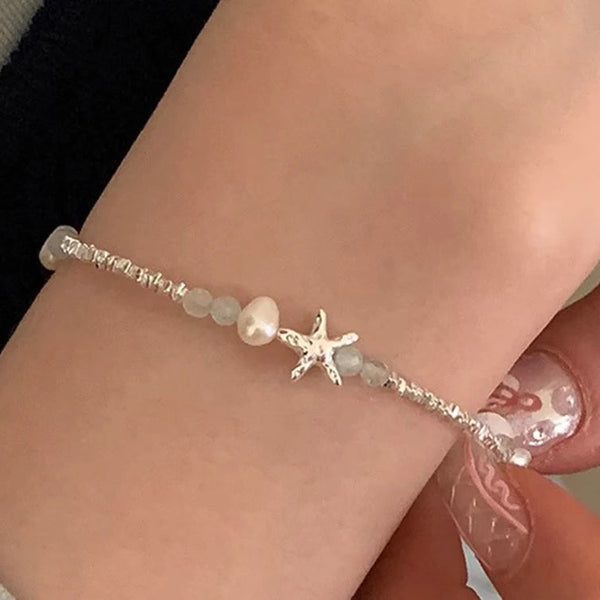
Some pendants aren't shells at all, and they still belong. Starfish charms bring a five-point symmetry that reads instantly coastal. Whale tails feel like a promise: freedom, depth, the wild part of you that never fully comes ashore. Wear a talisman when you want your necklace to mean something specific, not just look pretty.
Choosing the Length That Loves Your Neckline
Length does more work than the pendant itself. Get it right and the necklace looks made for you.
Chokers for Bare Shoulders and Slip Dresses
A choker sits at 35 to 40 cm, right on the throat. It's the length for off-shoulder tops, halter necks and anything with a wide open neckline. Skin around it does the framing. Wear it alone if the shells are chunky, or as the top note of a layered stack.
Mid-Length for Everyday Sun
Around 45 cm, the pendant lands just below the collarbone. This is your workhorse: it sits well over t-shirts, tank tops and open shirts, and it photographs beautifully. If you're buying your first beach shell necklace and you're not sure, this is the safest answer.
Long Strands for Kaftans, Linen and Layering
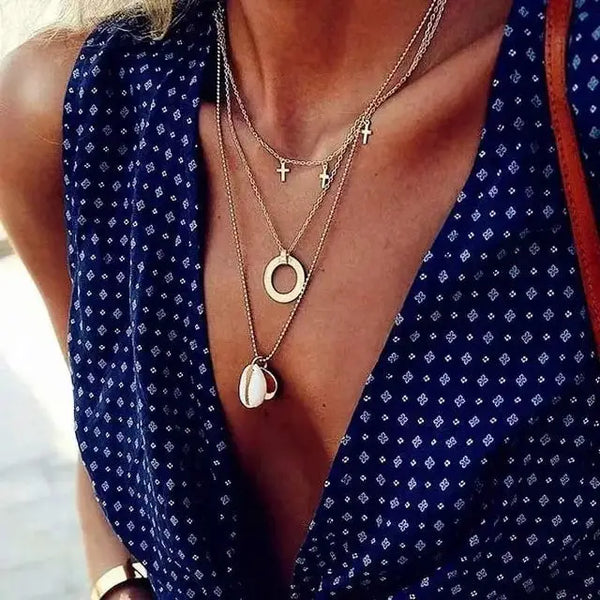
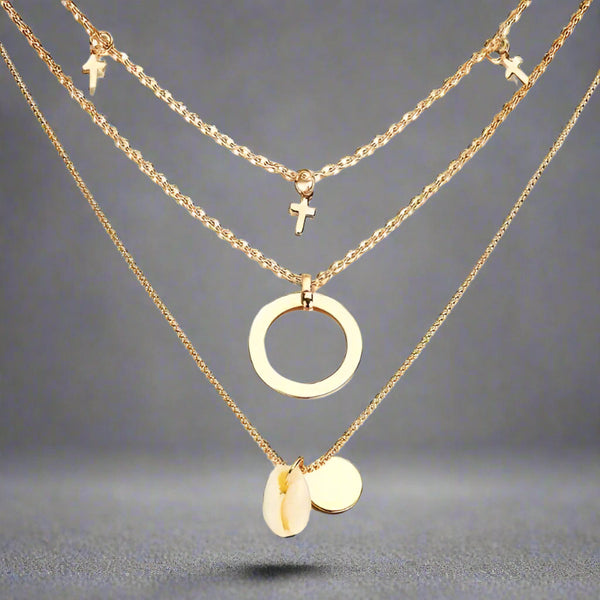
Anything past 60 cm falls onto the chest and moves when you walk. Long strands rescue a plain linen dress and give a kaftan somewhere to look. They also anchor a layered stack from below. A gold shell long necklace does this quietly, warming your skin without shouting.

How to Style a Beach Shell Necklace, From Sunrise to Firelight
Bikini Days: Salt Skin, Simple Shells
Keep it to one strand. Wet hair, sunscreen shine and a single cowrie on cord is a complete look. Nothing competes, nothing tangles when you dive.
City Summer: Making Shells Look Deliberate, Not Souvenir
The trick inland is contrast. Pair shells with something structured: a crisp white shirt, tailored trousers, a black slip. When the outfit is sharp, the shell reads as a choice rather than a holiday leftover. Mixing in a little gold helps enormously. Avoid pairing shells with head-to-toe beachwear once you're off the sand, because that's where the souvenir feeling creeps in.
Golden Hour Dinners and Coastal Weddings
Evening calls for shells with shine: mother-of-pearl, porcelain-white pieces, pearls, gold accents. Keep earrings small so the neckline stays the focus. For a coastal wedding, a delicate shell strand on a bare back or with an open neckline is far more romantic than a conventional pendant, and infinitely more memorable in photographs.
The Art of Layering Shells, Pearls and Gold
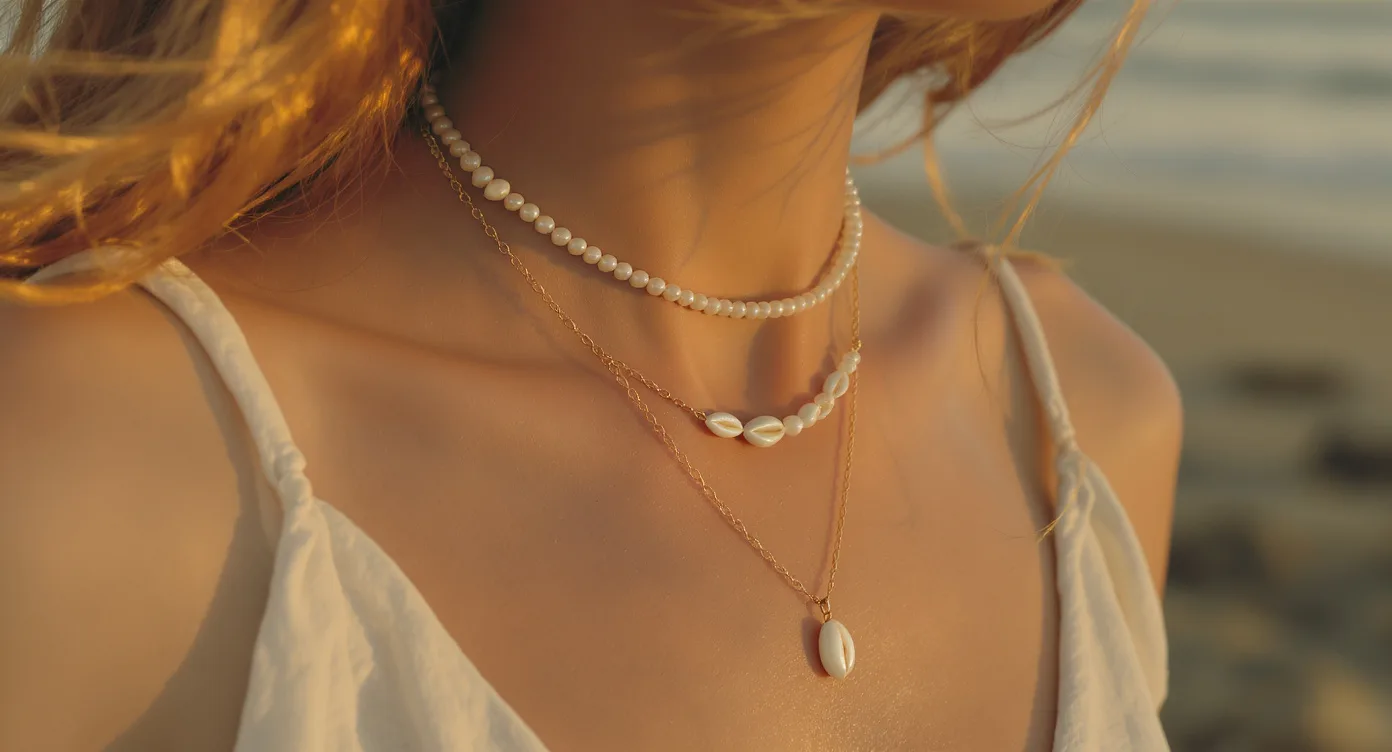
Three necklaces is the magic number. Space them at least 5 cm apart so each one breathes. Vary the texture: one chunky, one fine, one with a single pendant. Repeat a colour across the stack, gold with gold, cream with cream, and the whole thing looks composed instead of accidental.
Gold, Silver or Natural? Choosing Your Metal Mood
Gold flatters warm, olive and deep skin tones, and it makes creamy shells glow. Silver sings against cool undertones and pairs beautifully with grey-blue shell and moonlit whites. Natural cord and leather sidestep the question entirely, which is why they suit almost everyone. If you're unsure, look at the jewellery you already reach for. Your hands have already decided.
Buying With a Conscience: Ethically Sourced Shells
Beautiful shells should never cost a reef. Look for pieces made with hand-selected natural shells rather than mass-harvested stock, and favour brands that talk openly about where their materials come from. Small-batch, handcrafted work uses fewer shells and wastes almost nothing. Ask questions before you buy: a maker who cares will answer happily.
Caring for Your Shells So Summer Never Fades
Sunscreen, Saltwater and Chlorine: What to Avoid
Shell is porous, which means it drinks up whatever it touches. Put your necklace on last, after sunscreen, perfume and hair products have dried. Rinse it in fresh water if it's been in the sea. Chlorine is the real enemy: it dulls natural nacre and weakens cord over time, so take your necklace off before the pool.
Storing, Cleaning and Restringing
Wipe shells with a soft damp cloth, then dry them properly before putting them away. Store flat in a pouch, away from direct sun, which can fade delicate pinks. Never use alcohol or household cleaner. If a cord starts looking tired after a few seasons, restring it rather than retiring the piece. The shells will outlive the thread every time.
Building Your Own Shell Story: Sets, Stacks and Gifting
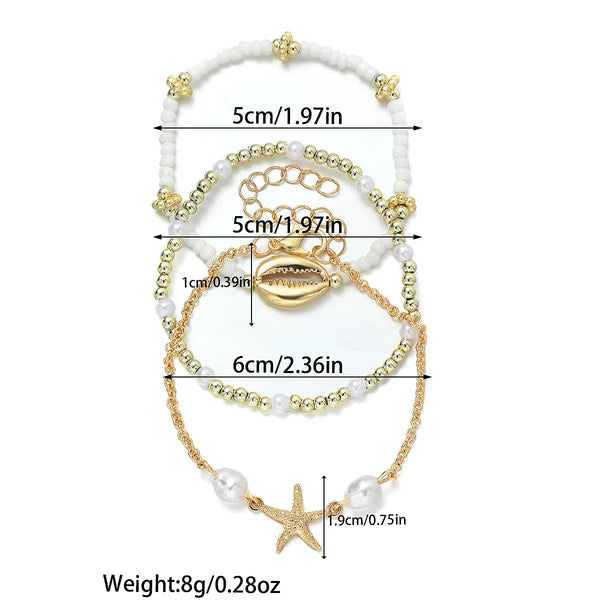
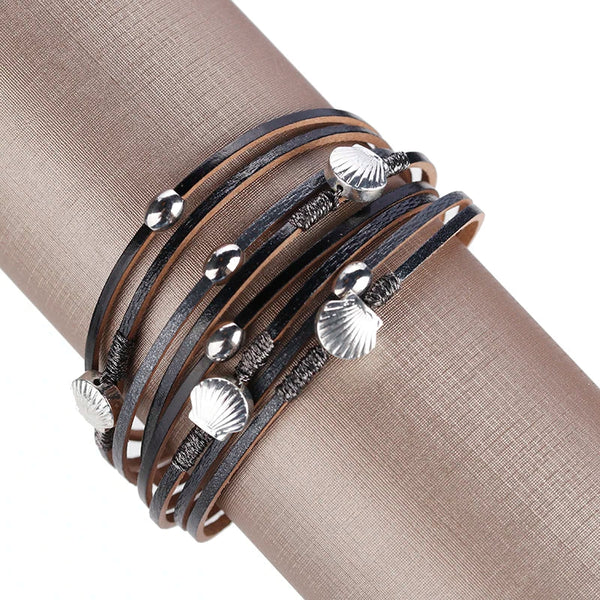
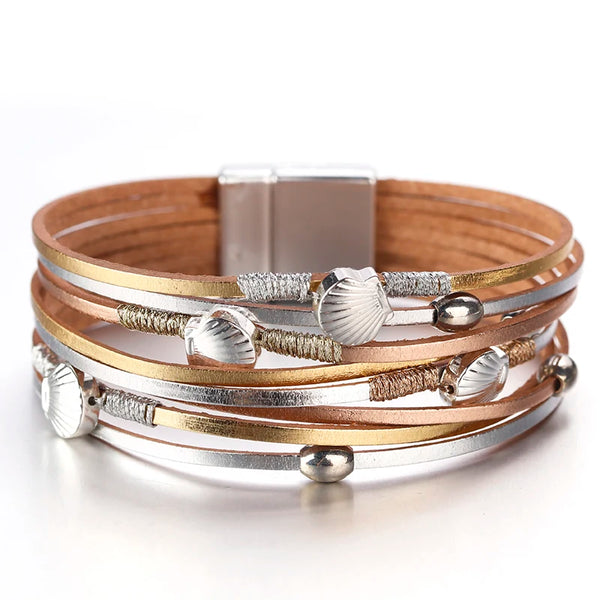
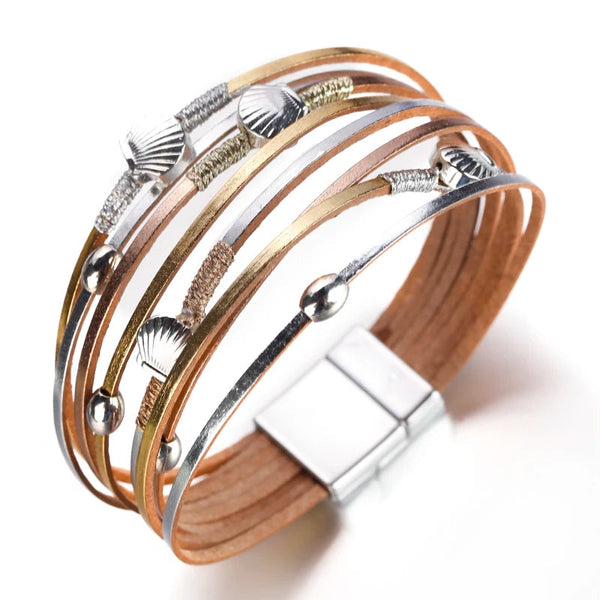
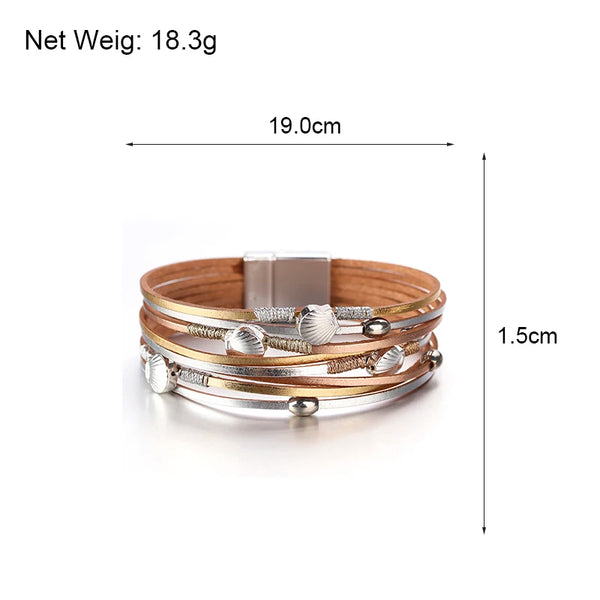
The loveliest collections grow slowly, one piece per summer, each tied to a place. Matching sets make an easy starting point, especially a necklace and bracelet that already speak the same language. They also make thoughtful gifts, because shells suit almost every woman and need no size. Add a note about where the shape comes from and you've given something with a story attached.
FAQ: Beach Shell Necklaces
Are the shells real?
On handcrafted pieces, yes. Check for cool touch, uneven surfaces and slight variation between pendants. Identical, glossy, weightless shapes usually mean resin.
Can I wear it in the ocean or the shower?
A quick swim won't ruin it, but rinse and dry afterwards. Skip the shower, the pool and the hot tub, since soap and chlorine dull the shell and wear down the cord.
Will a shell necklace look too casual for a wedding?
Not if you choose shine over texture. Porcelain-white shells, mother-of-pearl and pearl accents on a fine chain look refined against silk or linen, and far more personal than a standard pendant.
What length should I choose for layering?
Start with a choker at 38 cm, add a mid-length around 45 cm, then finish with something over 60 cm. That spacing keeps each strand visible and stops tangling.
Take the Ocean With You
Your necklace should feel like something you found, not something you ordered. Choose the shell that stops you first, match the length to the necklines you actually live in, and let the rest build season by season. Handcrafted, hand-selected, worn on salt-warm skin: that's how summer stays with you long after the tan fades.