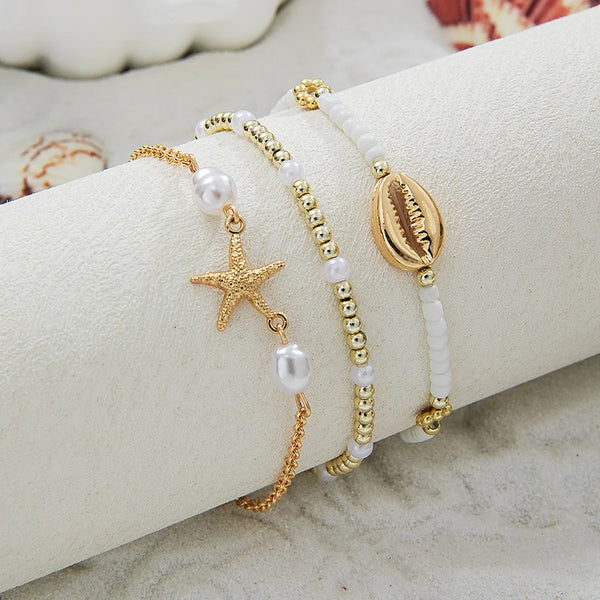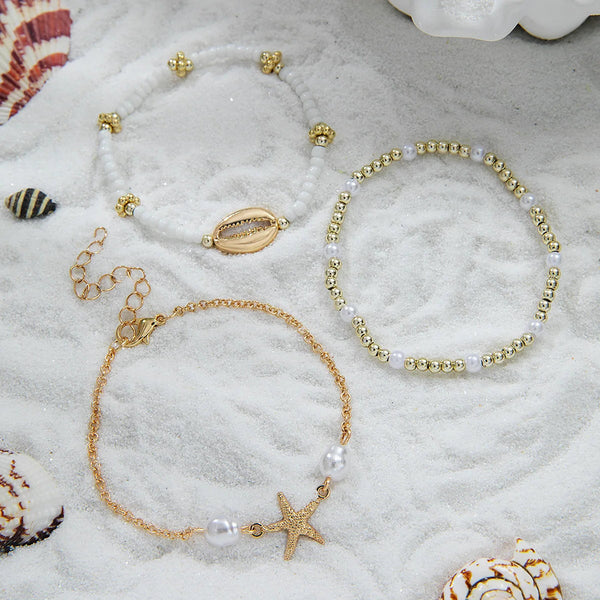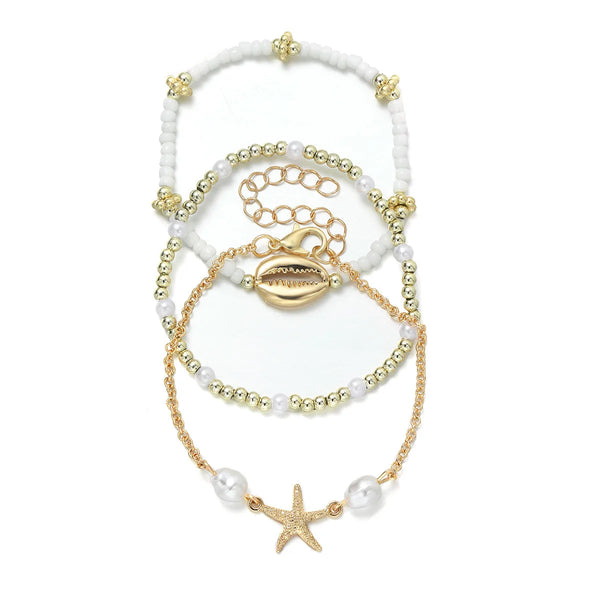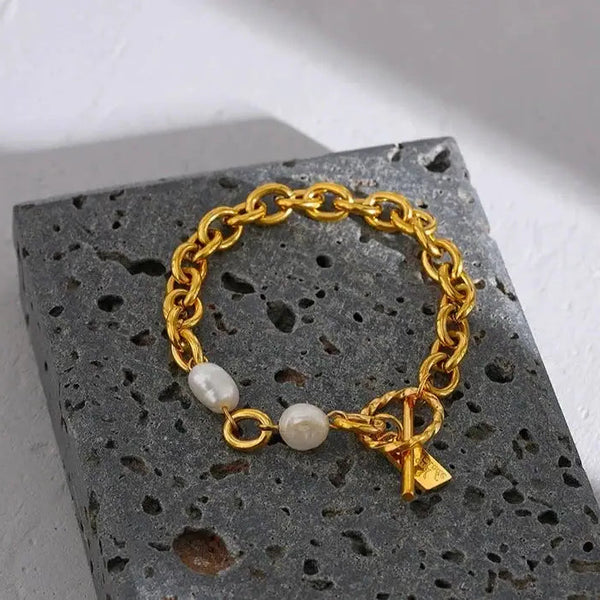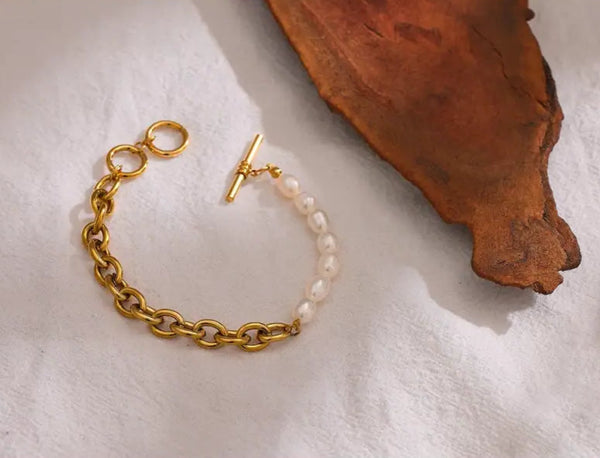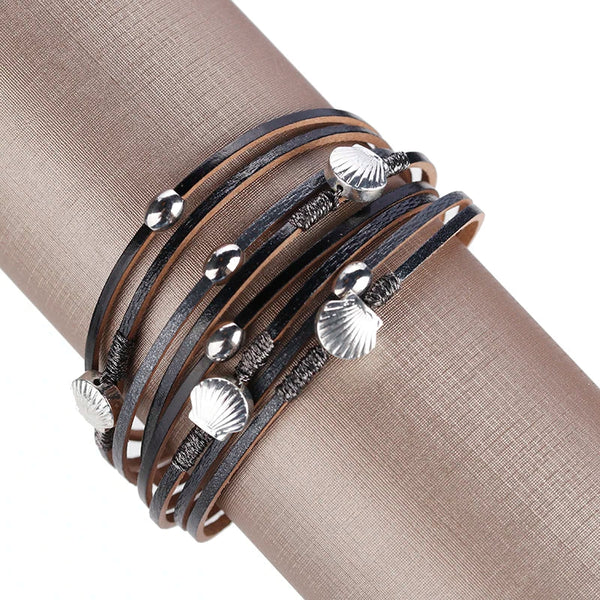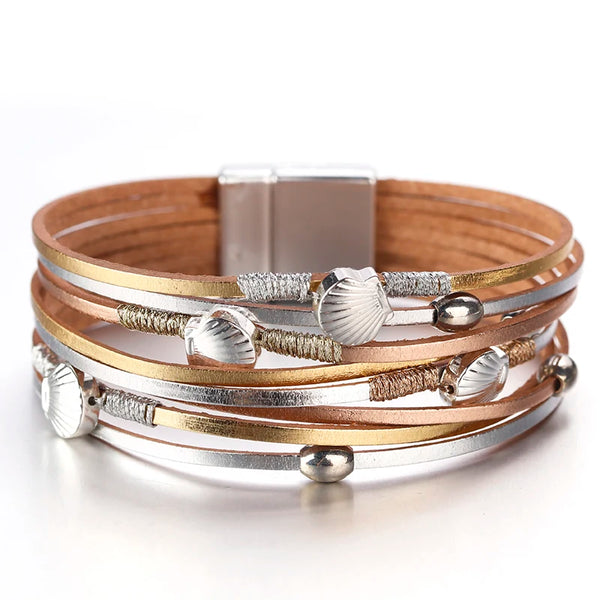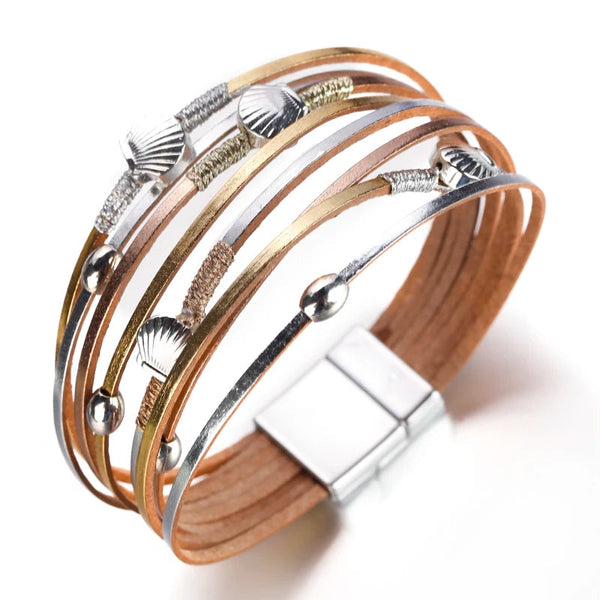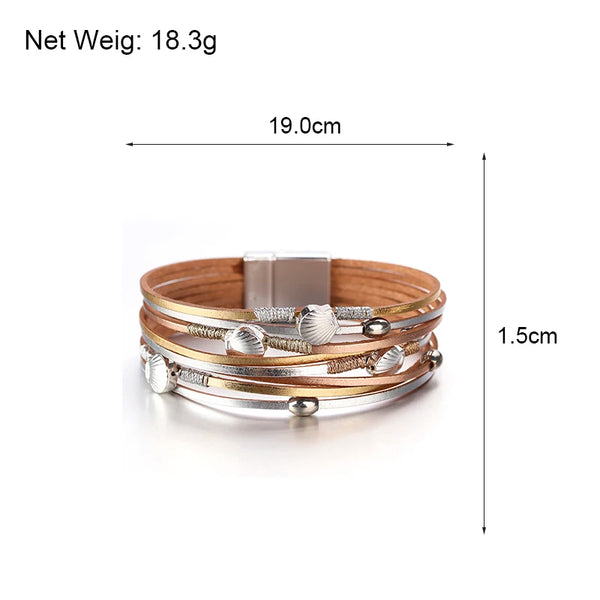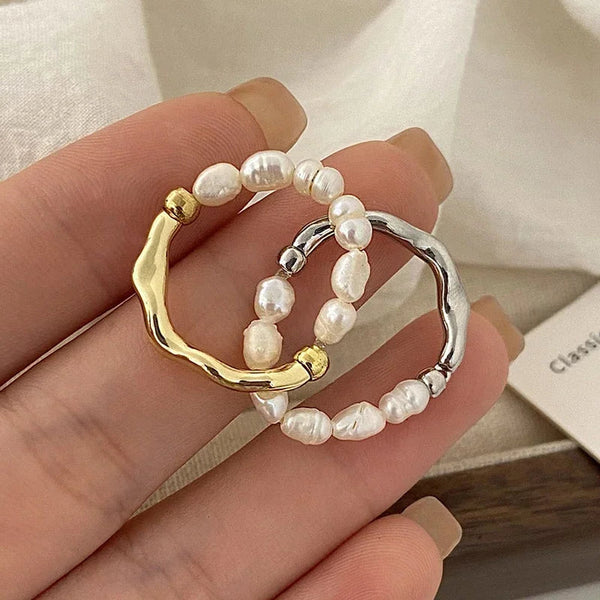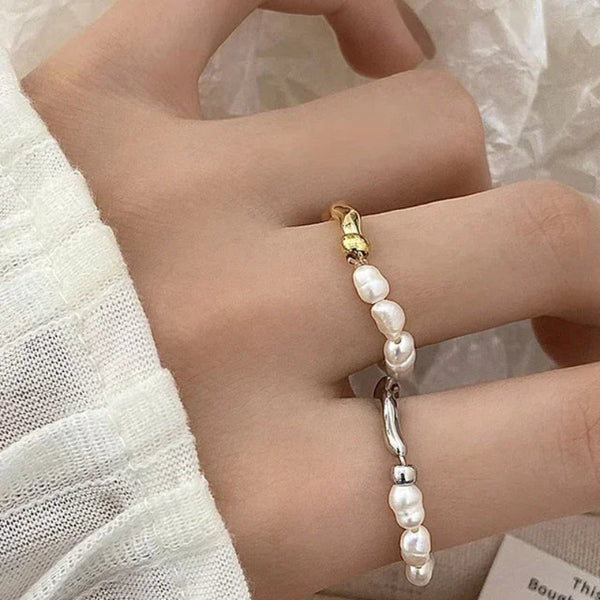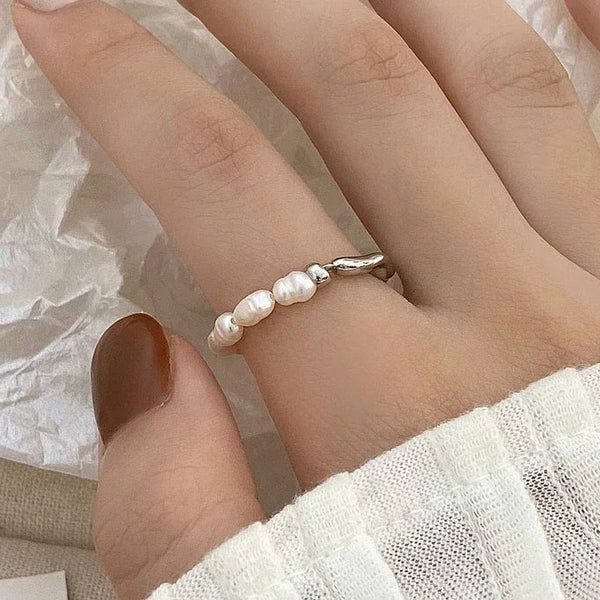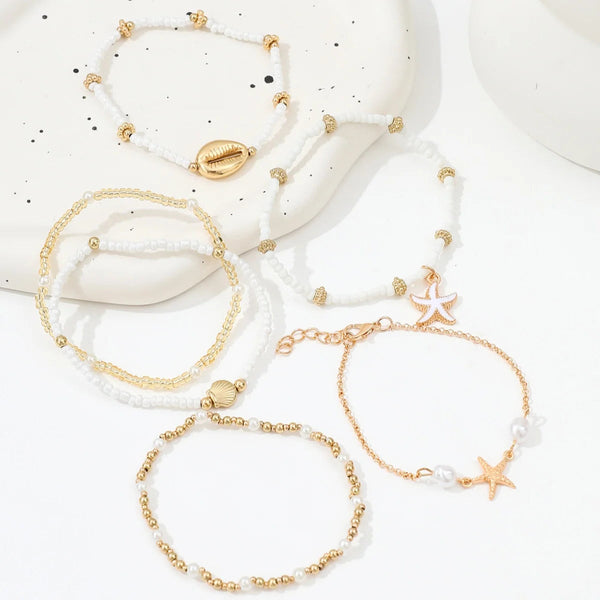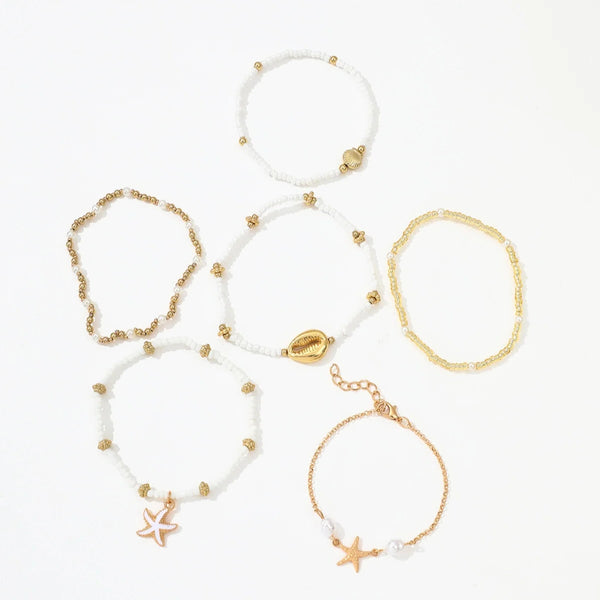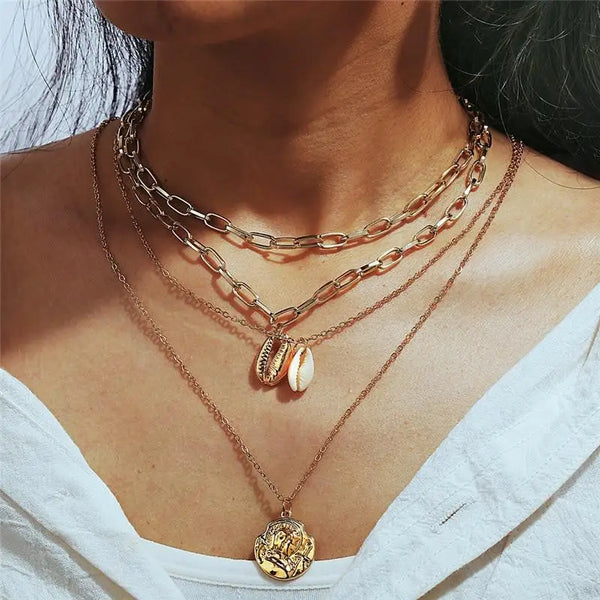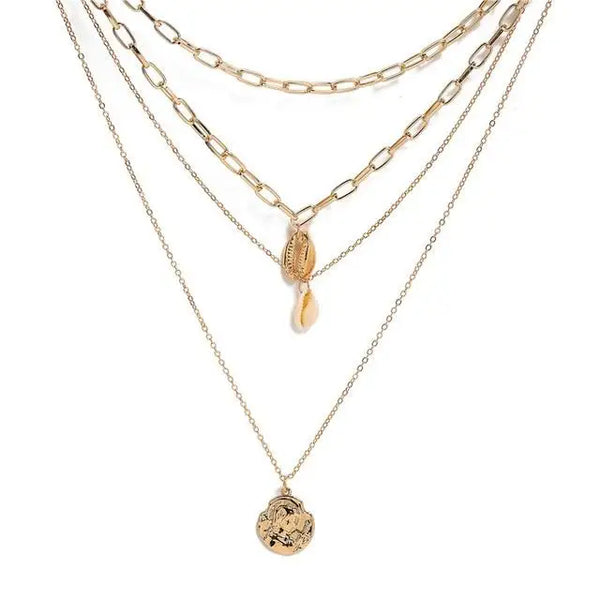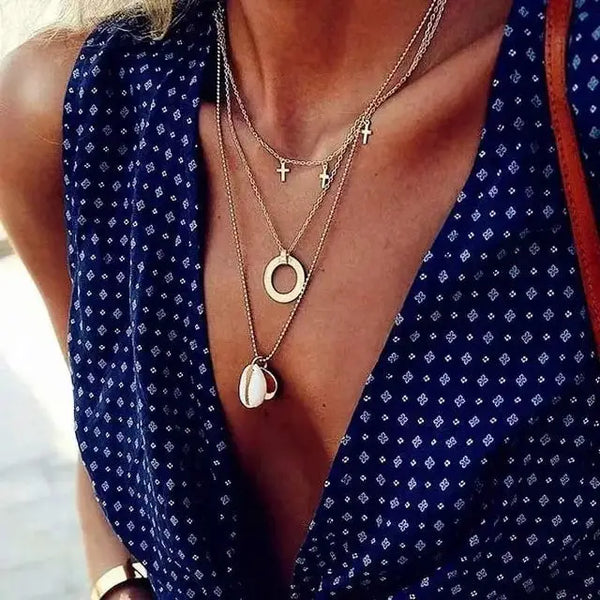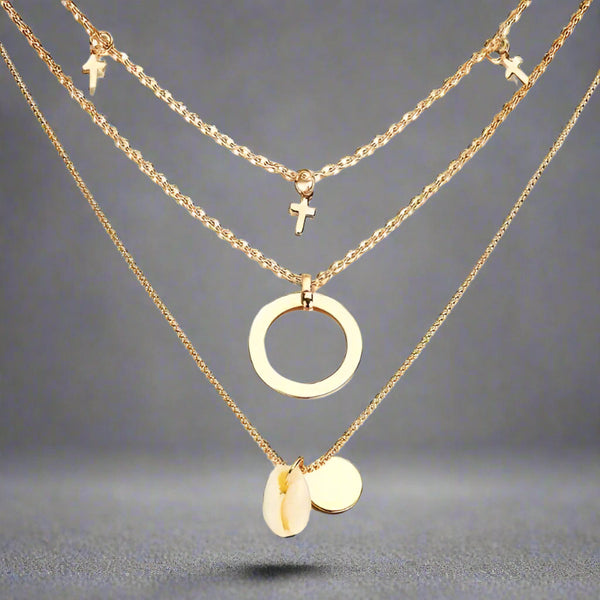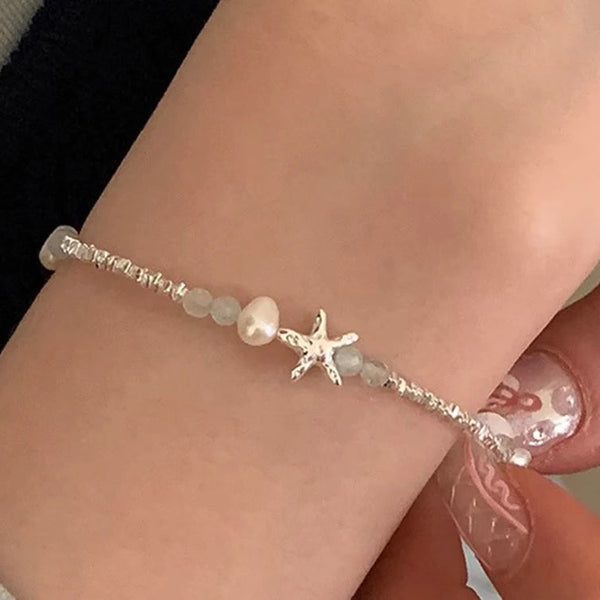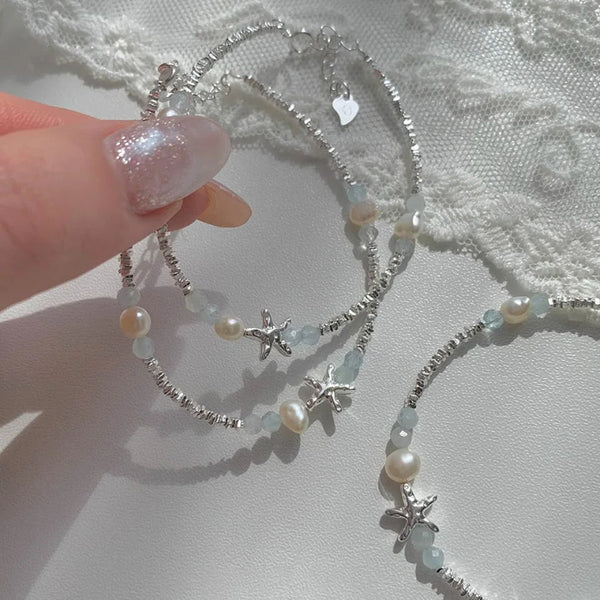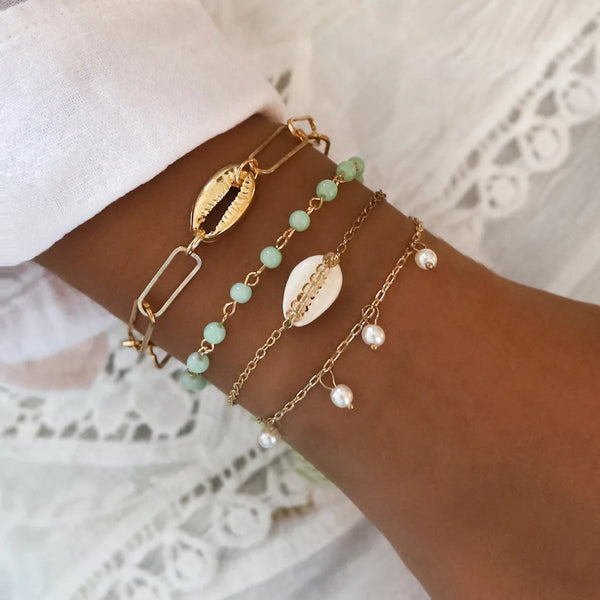


The bohemian shell bracelet worth wearing is simple to recognise: real shells, hand-selected and never moulded from plastic, tied or threaded with artisan work you can actually see. It should sit light on salt-damp skin, move when you move, and look even better after a swim. Add a woven cord or a few beads and you have a piece with a story, not just an accessory. Everything else, colour, metal, size, is about matching that piece to you.
How to Choose a Bohemian Shell Bracelet: The Short Answer
Start with the shell. If it has weight, a little irregularity and a soft natural shine, you're holding something the sea made. Then look at how it's held together. Braided cotton cord, waxed thread, small hand-strung beads: those details are what separate boho from mass-produced. Finally, check the fit. A shell bracelet should slide slightly, never grip.
The Three Things That Make a Shell Bracelet Truly Boho
- Authentic materials: real cowrie, mother-of-pearl or puka shell, plus natural cord or genuine metal findings.
- Visible craft: knots, weaving, uneven spacing. The tiny signs a human hand was involved.
- Easy movement: nothing stiff, nothing heavy. Boho jewellery is made to be lived in.
The Stories Shells Carry: Why Ocean-Born Jewelry Feels Like Memory
Shells were currency, protection and adornment long before they were fashion. Women across coastlines wore them to mark births, journeys and belonging. That history is part of why a shell on your wrist feels different from a bead or a charm. It came from somewhere real. You can almost smell the salt on it.
Cowrie Shells: The Ancient Talisman of Feminine Power
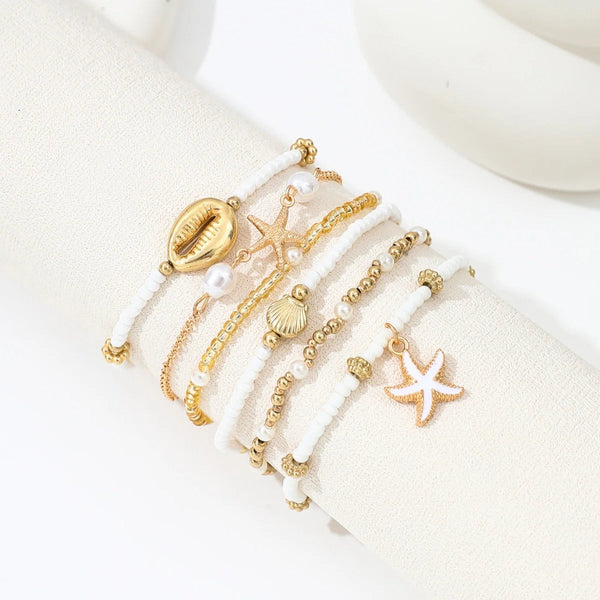
The cowrie is the small, glossy, rounded shell with a slit along its base. For centuries it symbolised fertility, prosperity and feminine strength across Africa, Asia and the Pacific islands. Its surface is naturally polished, so it catches light without any treatment at all. Worn in a row along a cord, cowries make the most instantly recognisable boho wrist there is. A classic women's cowrie shell bracelet is the piece most women start with, and the one they keep reaching for three summers later.

Mother-of-Pearl, Puka & Iridescent Fragments
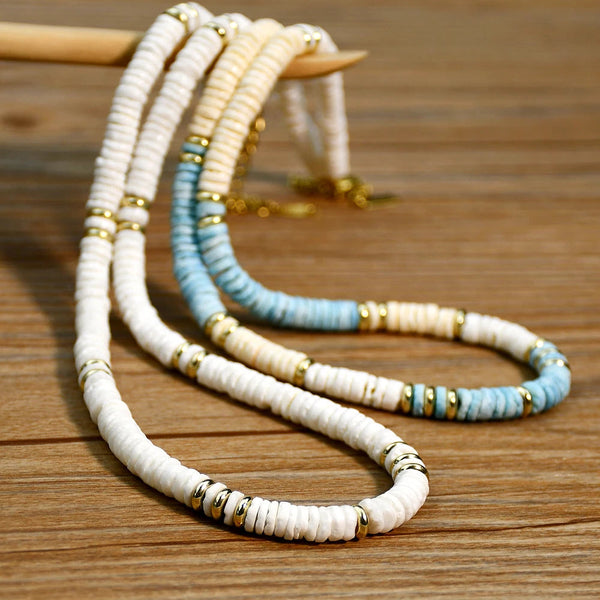
Mother-of-pearl is the shimmering inner layer of certain shells, the part that glows pink, blue and silver depending on the angle. Puka shells are the small discs with a natural hole worn smooth by the waves, a Hawaiian surf staple since the seventies. Iridescent fragments sit somewhere between the two: broken pieces of shell, polished and set into cord or chain. Each has its own mood. Cowrie feels tribal and bold, mother-of-pearl feels romantic, puka feels barefoot and easy.
Choosing Your Shell: Match the Bracelet to Your Wild Beauty
Skin Tone, Metal Tone & the Glow of Gold, Silver or Black
Warm skin, the kind that tans golden, glows against gold-toned settings and cream shells. Cooler skin, more porcelain or pink, tends to look beautiful with silver, black cord and pale iridescence. If you're somewhere in between, you can wear both, so choose by mood instead. Gold reads sunlit and festive. Silver reads moonlit and calm. Black cord grounds everything and makes white shells pop like sea foam.
Wrist Size, Fit & the Freedom of Adjustable Cords
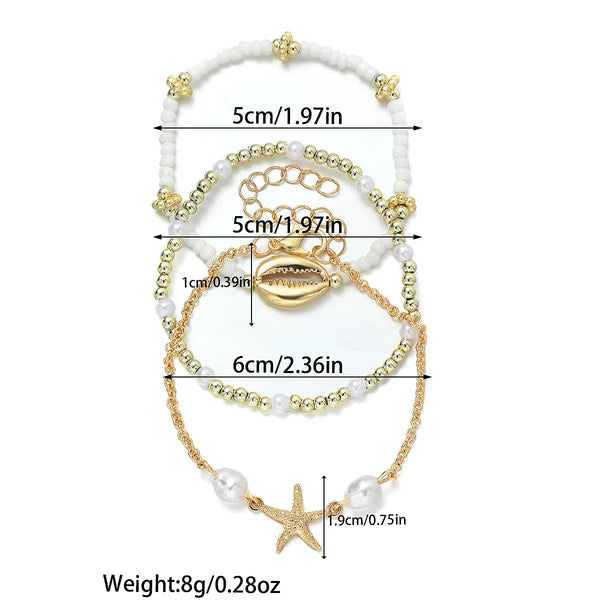
Measure your wrist with a piece of string, then add one to two centimetres for comfort. Most fine wrists land between 15 and 16 cm, average wrists around 17 cm. Adjustable sliding knots solve the problem entirely, and they're the most boho option anyway. They let you tighten a bracelet for a dinner and loosen it for the beach. A cord that moves a little is a cord that ages well.
Woven Details, Beads & Turquoise Accents That Whisper Summer
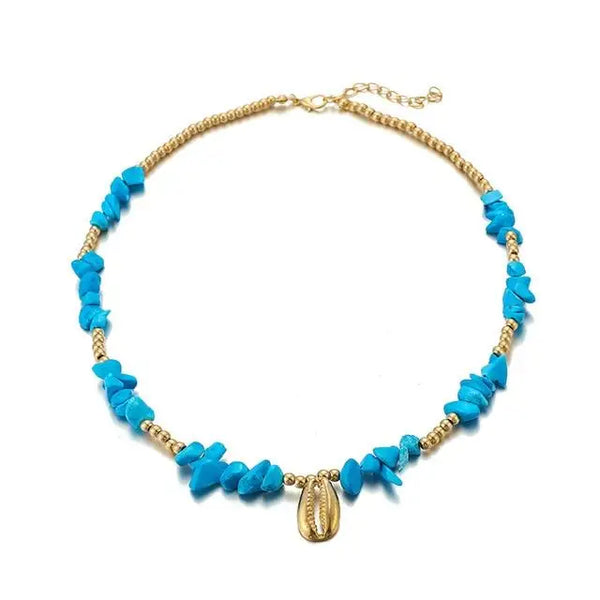
Beads change everything about how a shell reads. Turquoise brings the colour of shallow water and instantly makes a piece feel like a holiday. Wooden beads warm it up, glass beads sharpen it, tiny seed beads add texture without weight. If you want one piece that carries all of that at once, a shell bracelet with blue beads does the work of three, mixing ocean colour with handcrafted shells on a single strand.

How to Spot Authentic, Handcrafted Shells (and Avoid Plastic Imitations)
Signs of Real Shell: Weight, Iridescence & Natural Imperfection
Real shell feels cool against the skin for a second before it warms up. Plastic never does that. Look closely for tiny growth lines, faint colour shifts, small nicks along the edges. Perfect uniformity is the giveaway of a mould. Genuine iridescence also moves as you turn your wrist, while printed shine stays flat and dull.
Eco-Conscious Sourcing: Beauty That Doesn't Cost the Sea
Hand-selected shells matter for more than looks. Choosing pieces made from naturally shed or responsibly gathered shells keeps the ocean intact and supports small-batch artisan work instead of factory output. Small batches also mean no two bracelets are identical, which is exactly the point. Ask where the materials come from. Brands that care will tell you.
The Art of Layering: Building a Boho Shell Stack

The Rule of Three: Texture, Tone & Scale
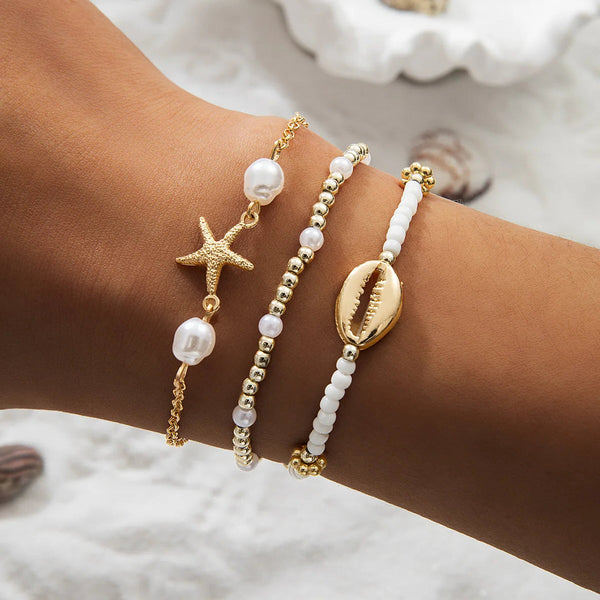
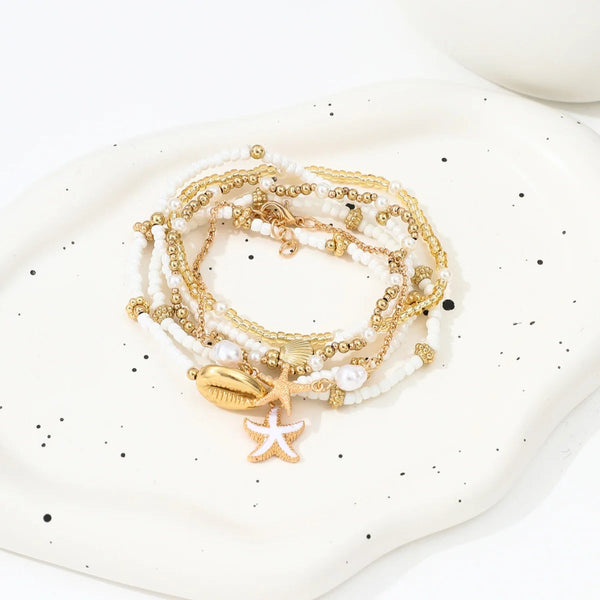
Three bracelets is the sweet spot for most wrists. Pick one statement piece with the largest shells, one medium textured piece with beads or weaving, and one thin cord or fine chain to break things up. Keep the tone family consistent, so all warm or all cool, and let the textures do the contrast. Anything more than five and the stack starts wearing you.
Mixing Shells with Beads, Cord, Turquoise & Fine Chains
The trick is contrast in size, not chaos in colour. A chunky cowrie row next to a hair-thin chain looks intentional. Two medium beaded strands next to each other just look crowded. Turquoise plays well with white shell and gold, black cord anchors anything, and a single fine chain keeps the whole stack from reading too costume. Let a bit of bare skin show between pieces.
Matching Wrist to Neckline: Coordinated Sets Without Looking Matchy
Echo, don't repeat. If your wrist is full of cowries, wear one cowrie at the throat, not five. A matched set works beautifully when the scale differs between the two pieces, which is why a well-made cowrie necklace and bracelet set reads as styled rather than uniform. Deep necklines love a longer strand. High necklines want the shells on your arms instead.

Summer-Ready Versatility: From Sunrise Swim to Sunset Dinner
Beach Days: Barefoot, Salt-Kissed, Effortless
This is the natural home of shell jewellery. Cord bracelets, wet hair, a linen shirt over your swimsuit and nothing else. Stack freely, mix white shells with sun-bleached cotton and let sand collect in the knots. Everything looks better slightly undone.
Festival & Golden Hour: Stack Loud, Move Free
Golden hour is when you go big. Layer five, run them up your forearm, add turquoise and wooden beads. Movement is the whole aesthetic here, so choose pieces that make a soft sound when you raise your arms. Pair with loose sleeves so the stack stays visible.
City Nights: One Shell Bracelet, Styled Minimal
Away from the coast, restraint does the talking. Wear one piece, ideally with a metallic finish or black cord, against a slip dress or a blazer. A single row of shells beside a watch looks quietly expensive. That contrast between structured clothing and something the ocean made is what keeps summer alive in November.
Caring for Your Shell Bracelet So It Outlasts the Season
Salt, Sand, Sunscreen: What Your Shells Can (and Can't) Handle
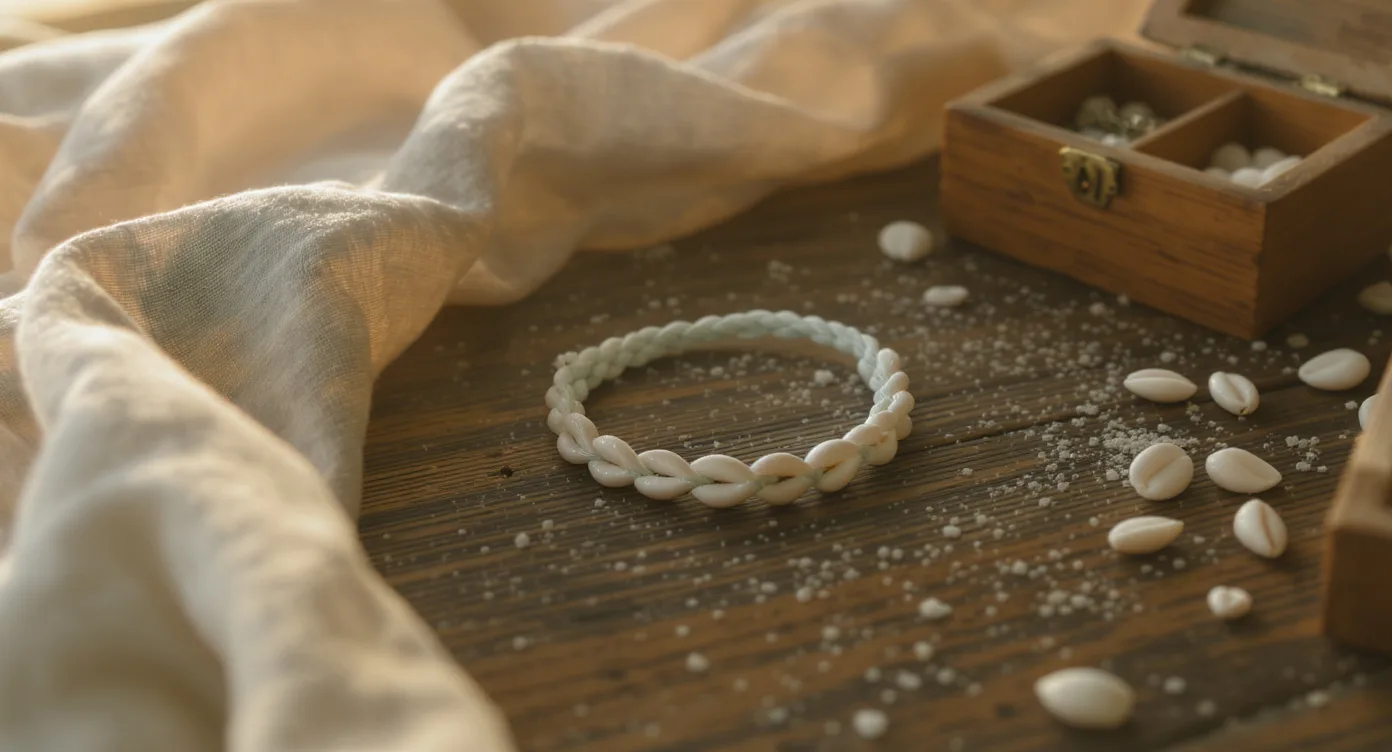
Seawater is fine occasionally, and shells were born in it. What they don't love is sunscreen, perfume and chlorine, which dull the surface over time. Put your bracelets on last, after the SPF has sunk in. Rinse them in fresh water after a swim and let them dry flat, never on a hot radiator. Plated metal parts should stay out of the pool entirely.
Storing Your Stack: Keeping Cords Untangled and Shells Unscratched
Shells scratch each other when they rattle around loose in a bag. Give each piece its own compartment, or at least separate the metal from the shell. A compartmented wooden box like the Tetris design wooden jewelry box keeps cords from knotting and stops your favourite cowries losing their shine. Store away from direct sunlight, since strong sun fades dyed cord over the months.

Your Bracelet, Your Tide: Finding the One That Feels Like You
Trust your hand more than a size chart. The bracelet you'll actually wear is the one you keep touching while you scroll, the one whose colour you already see against your skin. Buy the piece that feels like a place you love, then wear it through salt, sand and long dinners until it looks like it's always been yours. Handcrafted shells only get better with a bit of a life behind them.
FAQ: Bohemian Shell Bracelets
Can I wear a shell bracelet in the ocean or shower?
The sea is fine now and then, just rinse with fresh water afterwards and dry flat. Skip the shower, since soap and hot water dull the shells and weaken cord over time. Chlorine and plated metal are the worst pairing of all.
How many bracelets should I layer on one wrist?
Three is the classic boho balance, with one bold piece, one textured piece and one fine one. Five works for festivals and beach days. Beyond that, split the stack across both wrists so each piece still gets seen.
Do shell bracelets work in autumn and winter?
Absolutely, worn with more restraint. One shell bracelet over a knit sleeve or beside a watch reads as a personal detail rather than a holiday souvenir. Darker cords and gold or silver finishes carry the colder months best.
What size shell bracelet should I order?
Wrap a string around your wrist, measure it, then add one to two centimetres of ease. Choose adjustable sliding knots if you're between sizes or if your fingers swell in the heat. Shells sit better with a touch of movement than pulled tight.