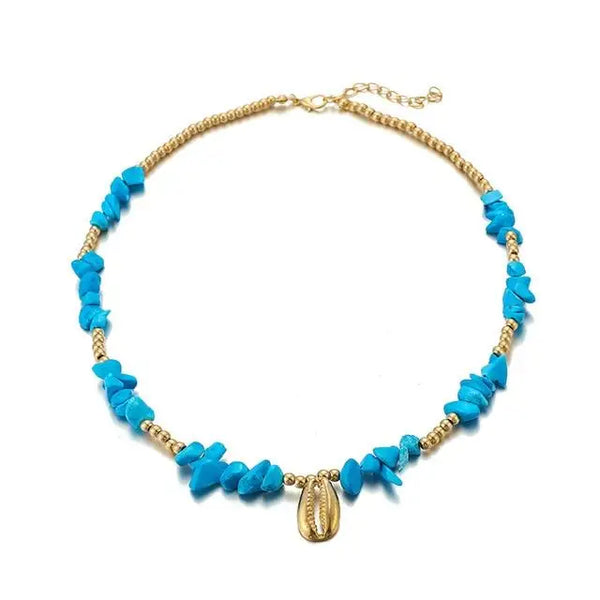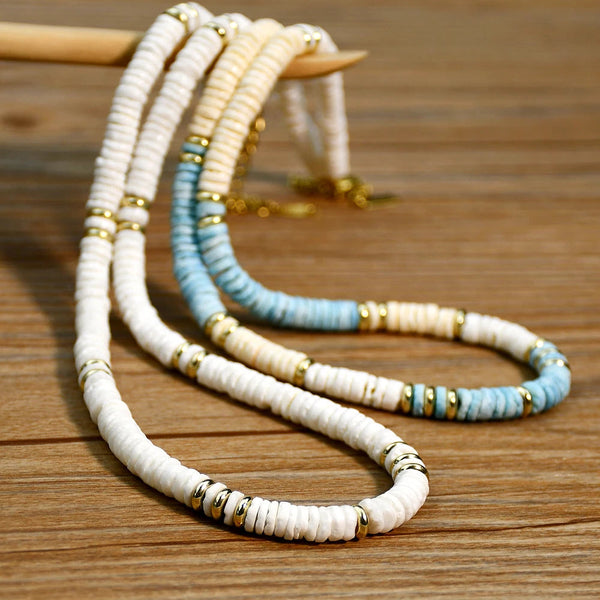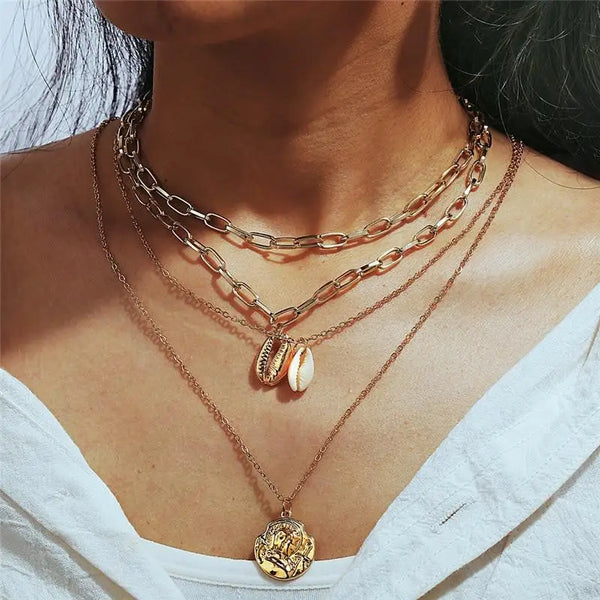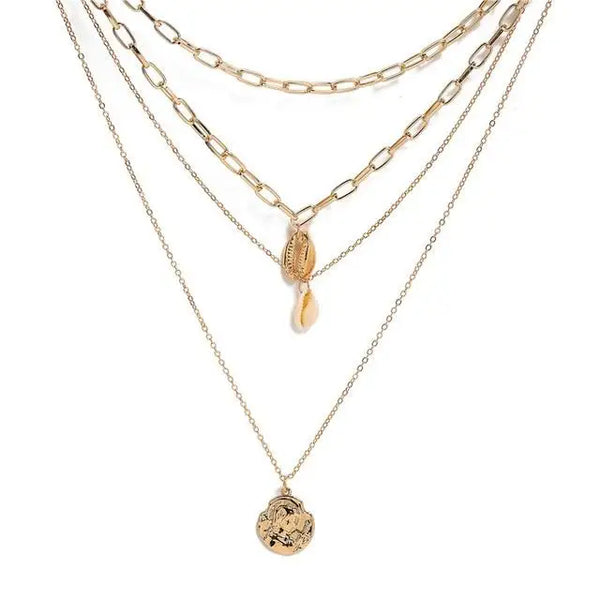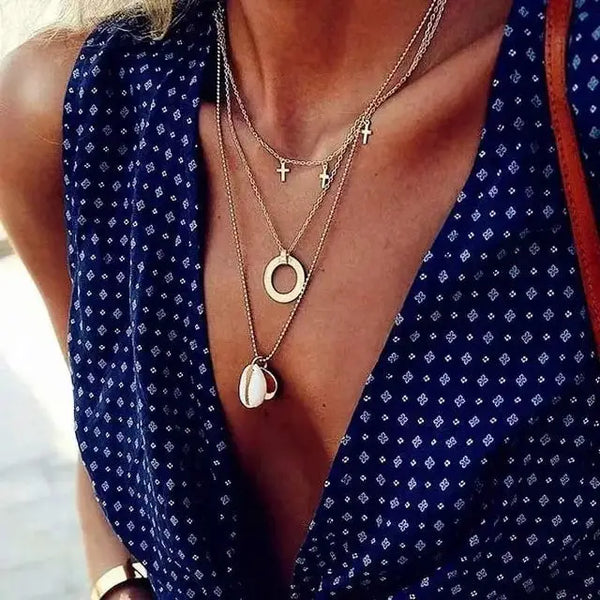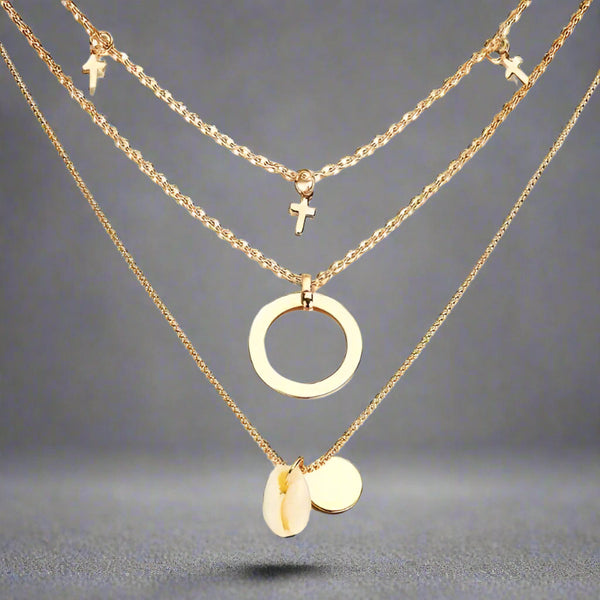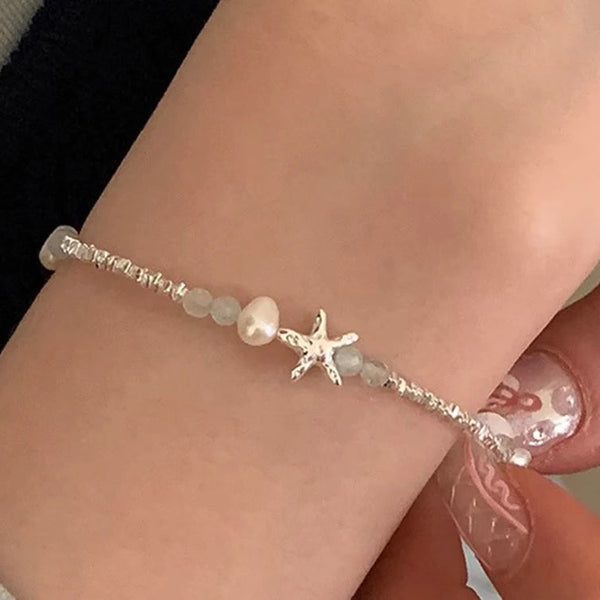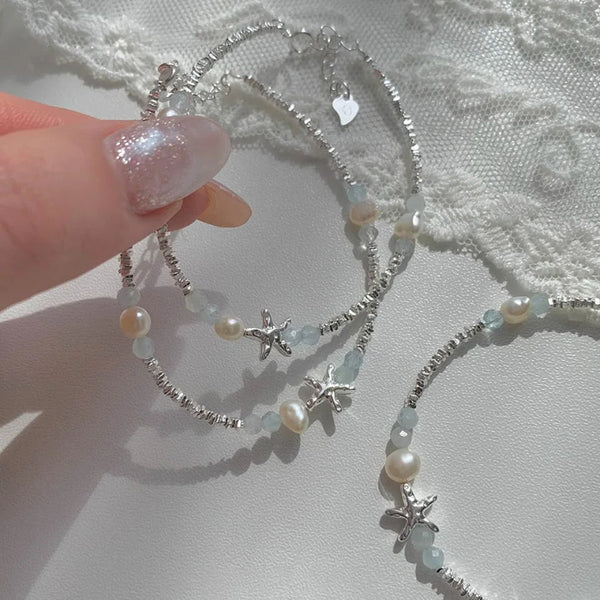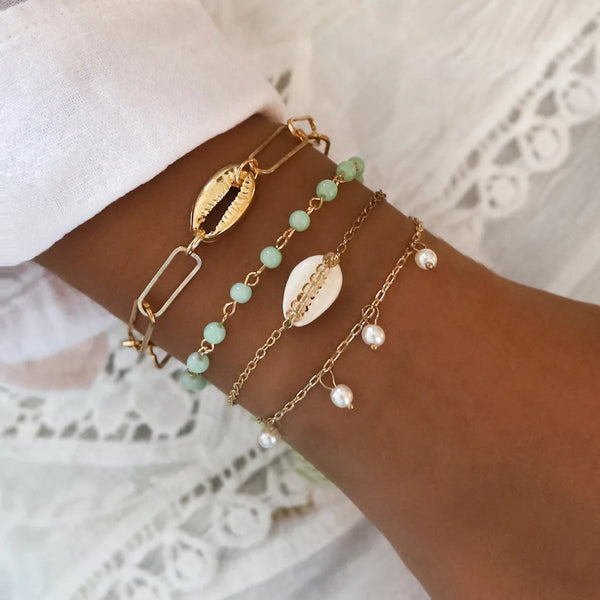

Shell necklaces are among the oldest adornments ever worn by humans. Long before gold, silver, gemstones, or metalworking existed, early societies crafted ancient shell jewelry using materials gathered from the sea. Understanding the history of shell necklaces provides insight into the evolution of craftsmanship, identity, trade, and symbolism across civilizations. Today, these ancient traditions continue to inspire modern coastal design, including the refined pieces in our Shell Necklace Collection.
First Appearances in Prehistory
Archaeological discoveries across Africa and the Mediterranean reveal that prehistoric shell beads are among the earliest forms of human jewelry. Notable findings include:
- Nassarius gibbosulus shell beads dated 100,000–120,000 years (Israel, Morocco)
- Shells perforated intentionally for threading using primitive tools
- Coastal shells discovered far inland, proving the existence of prehistoric trade routes
- Beads showing signs of polishing, scraping, and shaping with ochre pigments

Shells were ideal materials because they were durable, lightweight, aesthetically appealing, and associated with water, fertility, and the cycles of nature. In early human societies, wearing a shell necklace was a powerful form of communication—signaling group identity, alliances, status, or spiritual beliefs.
Across several prehistoric sites in North Africa, researchers discovered shells intentionally carried from the coast to inland caves, sometimes more than 150 km away. Even more compelling is evidence suggesting that some beads were rubbed with red ochre, a pigment associated with ritual behavior.
Even more compelling is evidence suggesting that some beads were rubbed with red ochre, a pigment associated with ritual behavior. The combination of ochre and shells suggests early humans viewed these ornaments as markers of identity, ritual protection, and connection to the natural world.
By the Late Stone Age, shell beads had become increasingly sophisticated. Some were arranged in elaborate patterns, alternating colors, sizes, and species. Others show signs of long-term wear, with smoothing caused by friction against skin and clothing. These details hint at deeply personal uses—gifts, status symbols, or heirloom objects passed through generations.
Shell Jewelry in Major Civilizations
Ancient Egypt
In Ancient Egypt, shells—especially cowries—were revered for their protective and feminine symbolism. Archaeologists have discovered:
- Cowrie-shell fertility belts
- Shell amulets placed in tombs
- Ceremonial collars combining shells, faience, and gemstones
- Faience cowries crafted as symbolic substitutes
Cowries were believed to ward off the “evil eye” and provide protection during childbirth. The curves of the cowrie shell associated it with feminine energy, sensuality, and the divine.
Egyptians also adorned their ankles with shell ornaments, especially in ritual or performance settings. These early anklets were worn by dancers and ceremonial performers, creating rhythmic sound and symbolic movement. This tradition echoes what we see across many ancient cultures. For a deeper exploration of this theme, you can read our detailed article on the the history of shell anklets and their role in Egyptian dance.

Beyond personal adornment, shells played a role in Egyptian cosmology. Some tombs contain shell offerings placed near the chest or abdomen of the deceased, suggesting a belief that shells acted as spiritual vessels during the passage to the afterlife. In elite burials, cowries were sometimes set in gold or faience frames—blending natural materials with high craftsmanship.
Mesopotamia
Mesopotamian artisans developed sophisticated techniques for carving and polishing shells. Excavations reveal:
- Mother-of-pearl inlays used in royal and temple art
- Shell beads found in elite burials
- Imported shells arriving via Mediterranean trade
- Shell pendants used in ceremonial contexts
Because Mesopotamia was not coastal, shells symbolized wealth and access to international trade networks.
Mother-of-pearl was particularly coveted for its iridescence. In the city of Ur, artisans decorated lyres, chests, and statues with shell inlays cut into geometric patterns. These embellishments signaled the owner’s wealth and cultural refinement.
Shell Jewelry Along Early Trade Routes
Long before metal coins, cowries and other shells circulated as a form of proto-currency across Africa, the Indian Ocean, and the Mediterranean. Their rarity inland made them valuable, transforming shell jewelry into a symbol of wealth, exchange, and connection between distant communities.
In Mesopotamia, archaeological digs at Ur and Eridu uncovered cowries and conus shells transported hundreds of miles from the sea—evidence of early maritime trade networks. In Bronze Age Europe, scallop-shell pendants appear far from their coastal origins, carried by merchants, pilgrims, and travelers.
Archaeologists have also identified shell caches along prehistoric caravan trails in the Sahara, showing that shells moved through transcontinental exchange networks as early as 4000 BCE. In East Africa, cowries became integral to royal tribute systems, while in India they were used in gambling, rituals, and accounting practices. Shell necklaces were deeply embedded in the economic and spiritual life of ancient societies.

Indus Valley Civilization
The Indus Valley was a major hub of shell craftsmanship. Archaeological workshops uncovered in Mohenjo-Daro and Harappa show:
- Tools for cutting, drilling, and polishing shell
- Conch and mother-of-pearl bangles
- Shell beads in burial sites
- Trade connections with the Arabian Gulf and Indian Ocean
Shell jewelry in this region symbolized social status and was often associated with ceremonial rituals.
Indus shell craftsmanship is particularly notable for its precision. Some bangles feature smooth, uniform curvature that rivals modern techniques. The presence of unfinished pieces and specialized tools suggests shell-working guilds or hereditary artisan lineages.

Indus valley, Encyclopaedia Britannica
Polynesia: Mana, Niihau & The Sacred Arts
Polynesian cultures created some of the world’s most refined shell jewelry, viewing these adornments not just as decoration, but as vessels of spiritual power. Using materials like the rare Niihau shells from Hawaii, trochus, and nacre, artisans crafted pieces that signified high status and royal lineage.
- Heirloom Necklaces (Lei Pupu): Often made from tiny, intricate Niihau shells, these necklaces could take years to craft and were worth more than gold.
- Warrior Adornments: Shells were often integrated with carved Tiki figures (ancestral representations) to intimidate enemies and invoke protection.
- Ceremonial Pendants: Large pearl shells were worn by chiefs to reflect the sun and signal divine connection.

The core concept behind these pieces is Mana—a supernatural force or spiritual energy. A shell necklace passed down through generations was believed to accumulate the Mana of its wearers, becoming a powerful talisman. Navigators crossing the vast Pacific wore specific shells believed to hold the memory of the ocean, guiding them safely across the waves.
Ancient Greece
In Greece, shells were linked to beauty, femininity, and maritime culture. They appeared in:
- Mythology—Aphrodite born from the sea
- Pottery and relief carvings
- Ritual offerings
- Women’s adornments during festivals
Shell necklaces symbolized love, sensuality, and the connection between humans, nature, and the sea.
During religious festivals, Greek women wore shell-patterned garments and accessories to honor sea deities. Sailors often carried shell amulets on boats as charms for protection and safe passage.
Phoenicians & Mediterranean Trade
The Phoenicians, master navigators of the Mediterranean, played a crucial role in spreading shell adornments across the region. Highlights include:
- Murex shells producing the iconic Tyrian purple dye
- Shell jewelry traded from Cyprus to Carthage
- Shell ornaments appearing in temples and elite burials
The Phoenicians helped embed shell necklaces into Mediterranean cultural identity.
Because they controlled vast maritime networks, Phoenicians introduced shell beads, pendants, and inlays to numerous cultures. Their trading posts contained mixed caches of shells from many regions, revealing sophisticated valuation systems.
Craftsmanship Through the Ages
Before metal tools existed, early artisans shaped shells using abrasion, drilling, and friction against stone. Over time, these techniques evolved into refined practices involving bronze drill tips, sandstone polishers, and fiber cordage.
By the classical era, craftsmen incorporated shell beads into goldwork, combining organic and precious materials. During the medieval and Renaissance periods, European collectors prized rare shells, often mounting them in silver or gold as luxury display objects.
Symbolic Roles Across Cultures
Across civilizations, shells served as powerful symbols rooted in the sea’s mystery and life-giving force. Whether worn for spiritual protection or displayed as markers of rank, shell necklaces maintained deep cultural meaning.
Protection and Safe Passage
In seafaring cultures, shells were believed to ensure safe travel. Sailors wore cowries or conch pendants to invoke the ocean’s protection. Families placed shell amulets in homes and boats to guard against storms and misfortune.
Fertility, Femininity, and Life Cycles
Shells resembling womb-like forms or spirals symbolized femininity, gestation, and the cycles of life and rebirth. In many societies, women wore shell jewelry during fertility rites and major life transitions.
Wealth, Power, and Trade
Cowries, used as currency across Africa and Asia, became visible indicators of social status. Those wearing multiple strands of shells were immediately recognized as people of influence or wealth.
Rituals and Ceremony
Shell necklaces appeared in marriage rituals, funerary rites, harvest celebrations, initiation ceremonies, and offerings to gods. Their natural durability made them ideal symbols of continuity and ancestral connection.
In some cultures, shells were thought to contain the “breath of the ocean,” giving them a sacred role in purification rituals. Others believed certain shells acted as intermediaries between the human and spiritual world. This universal symbolic depth explains why shell necklaces persist across cultures and millennia.
Evolution Toward Modern Fashion
Middle Ages & Renaissance
Shells symbolized pilgrimage—particularly the scallop shell of Santiago—and appeared in cabinets of wonders.
In medieval Europe, scallop-shell badges worn by pilgrims returning from Santiago de Compostela became iconic spiritual symbols. These badges inspired shell-shaped pendants and later influenced Renaissance artists who incorporated marine motifs into jewelry and sculpture.
18th–19th Century
Shell cameos, travel souvenirs, and exotic imports increased the popularity of shell jewelry in Europe.
During the Age of Exploration, sailors brought back rare shells from the Pacific and Indian Oceans, sparking widespread collector enthusiasm. Wealthy Europeans displayed elaborate shell cabinets—early precursors to natural history museums. Silversmiths and goldsmiths began mounting exotic shells into ornate jewelry, transforming natural forms into luxury objects.
20th Century to Today: The Puka Revival
In the modern era, shell jewelry transcended its tribal roots to become a global fashion staple. The most notable resurgence occurred during the 1960s and 70s with the explosion of surf culture in Hawaii.
- The Puka Shell Boom: Surfers began wearing necklaces made from the naturally worn apex of cone snails. For a deep dive into this specific trend, read our guide on Hawaiian Puka Shell Traditions.
- 1990s Minimalist Revival: The "beach bum" aesthetic brought cowrie chokers back into the mainstream.
- Modern Boho-Chic: Today, designers blend gold and diamonds with natural shells for a "Resort Wear" aesthetic.

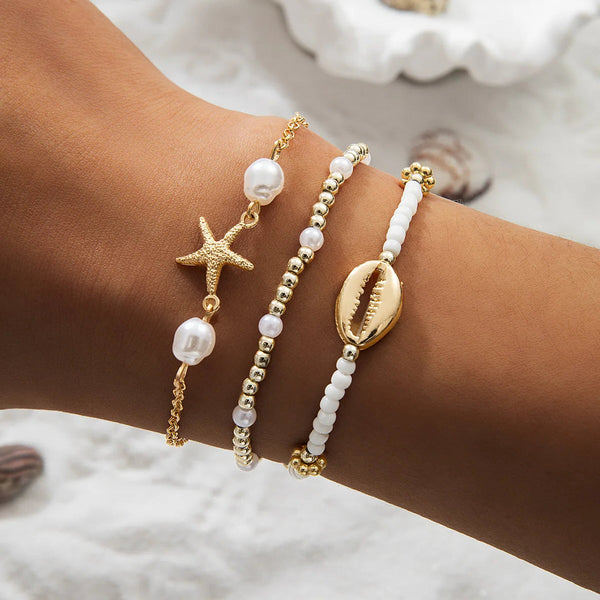
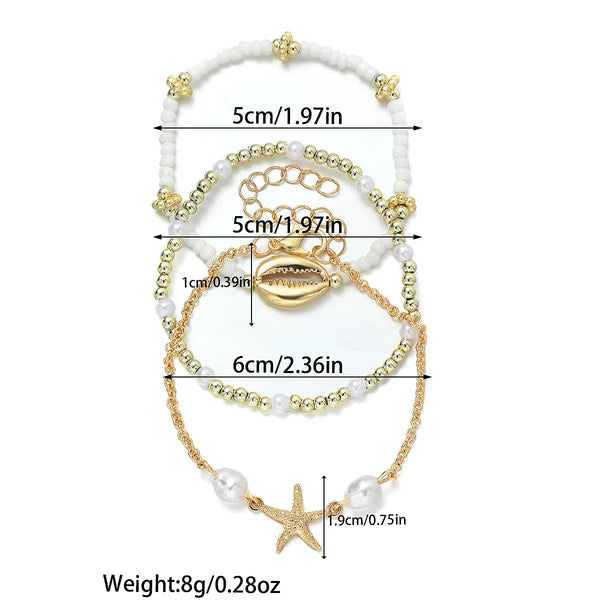
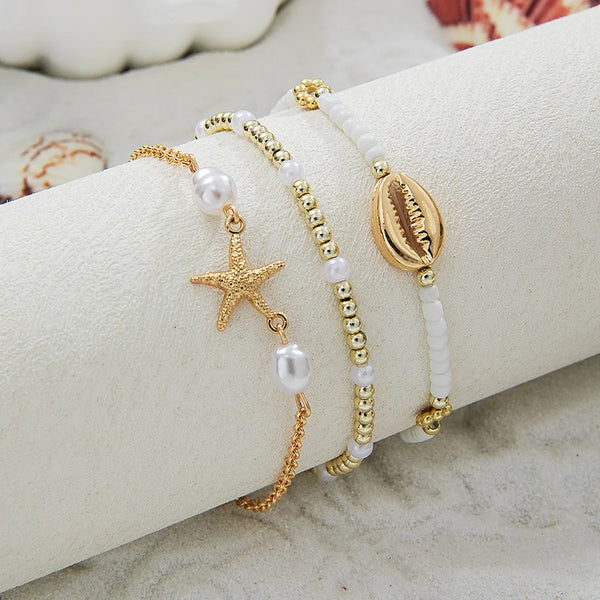
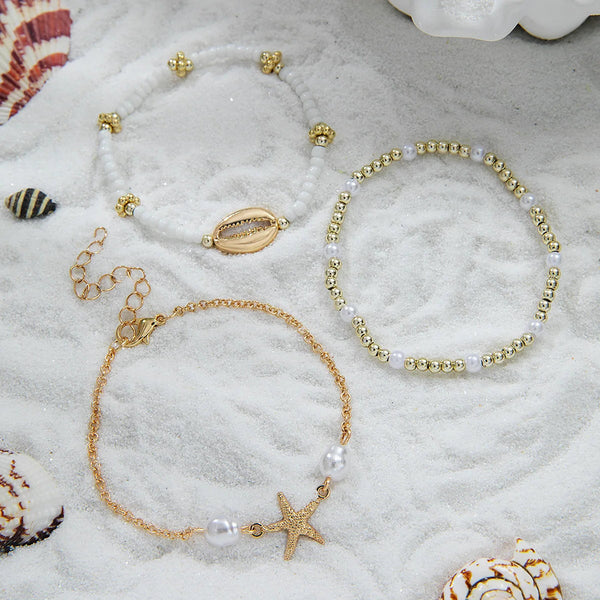
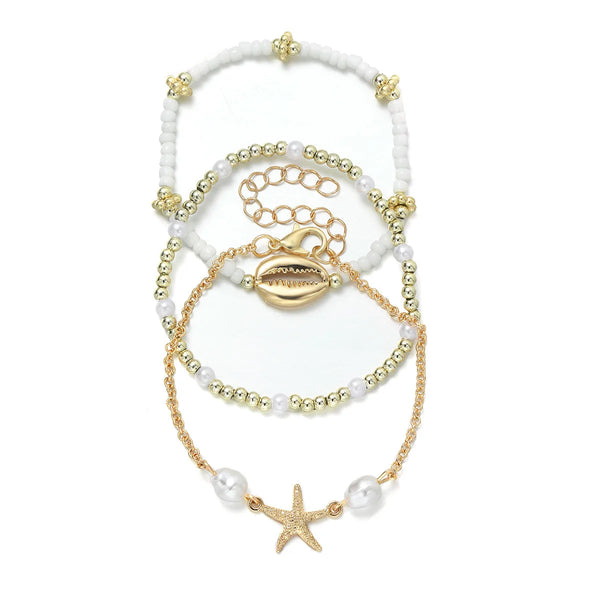
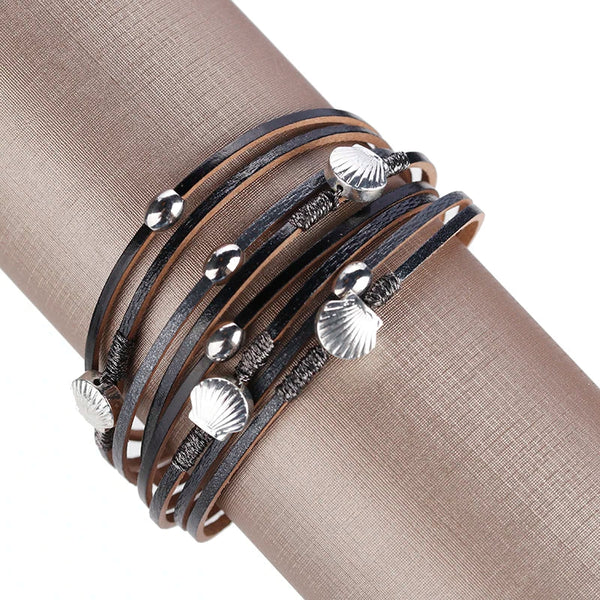
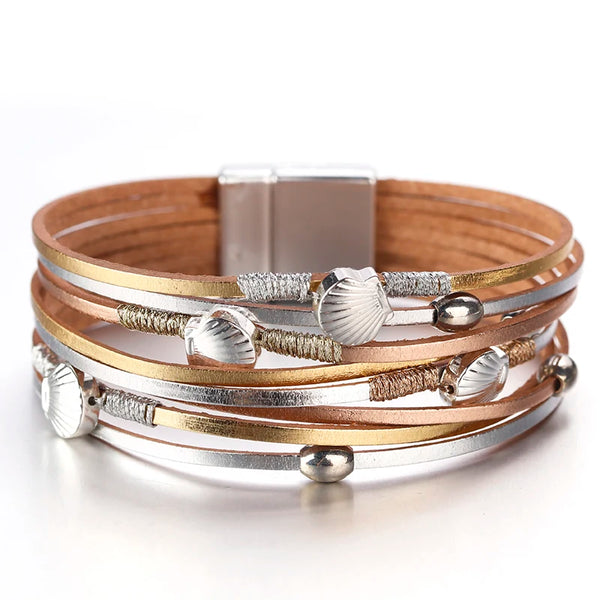
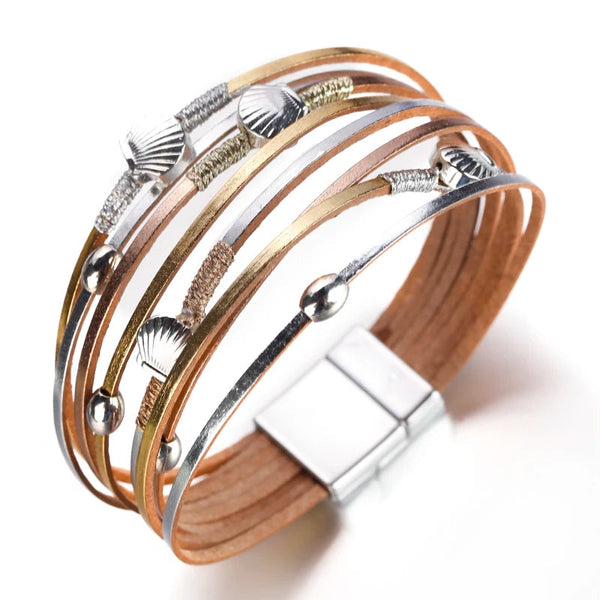
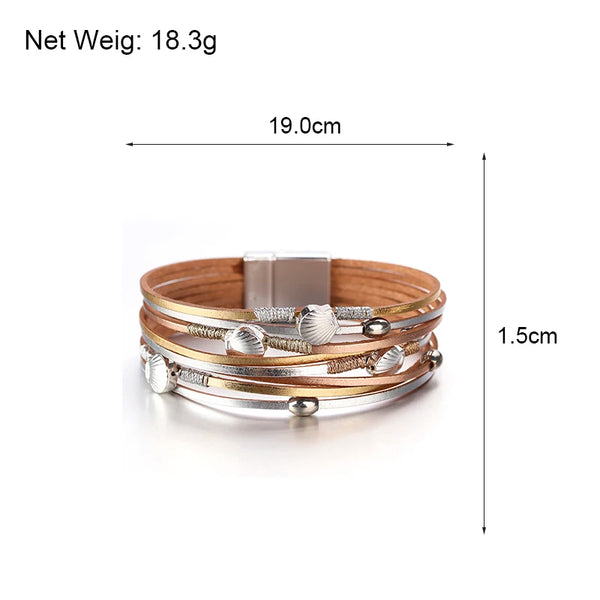
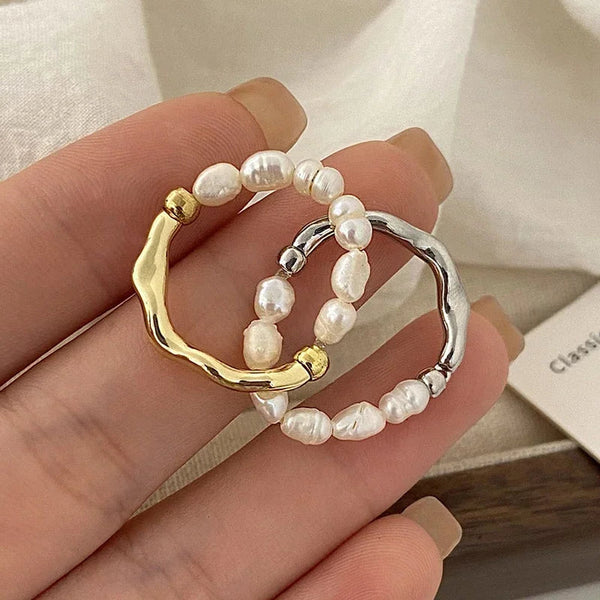
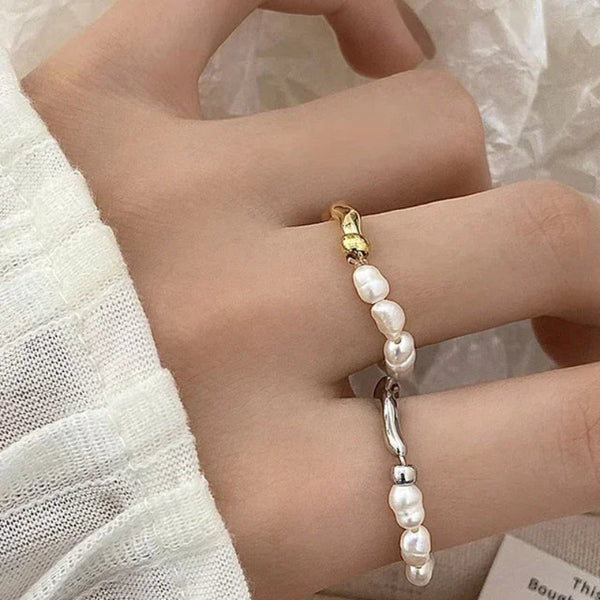
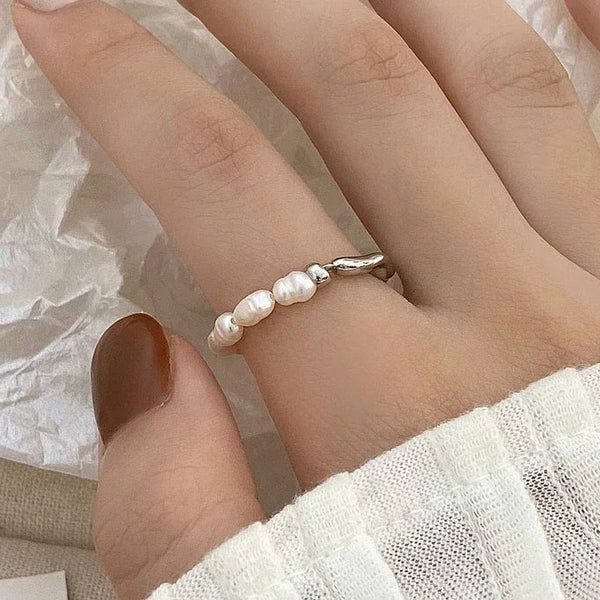
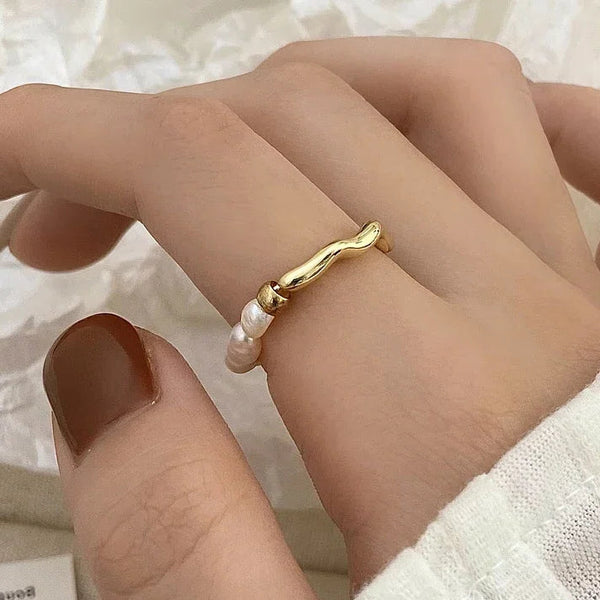
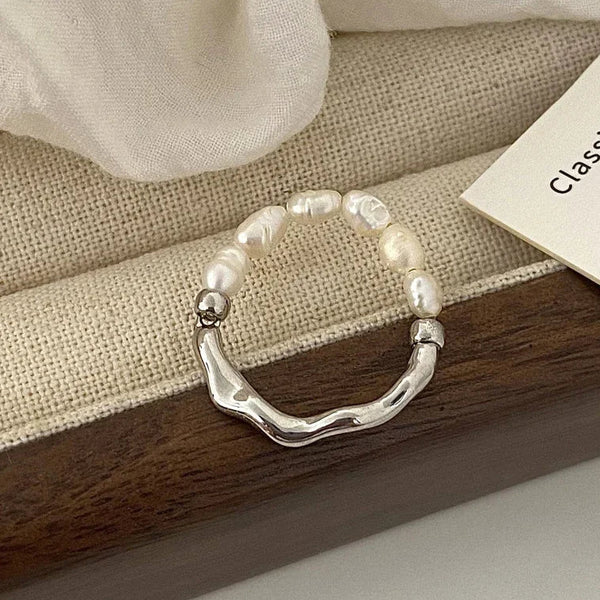
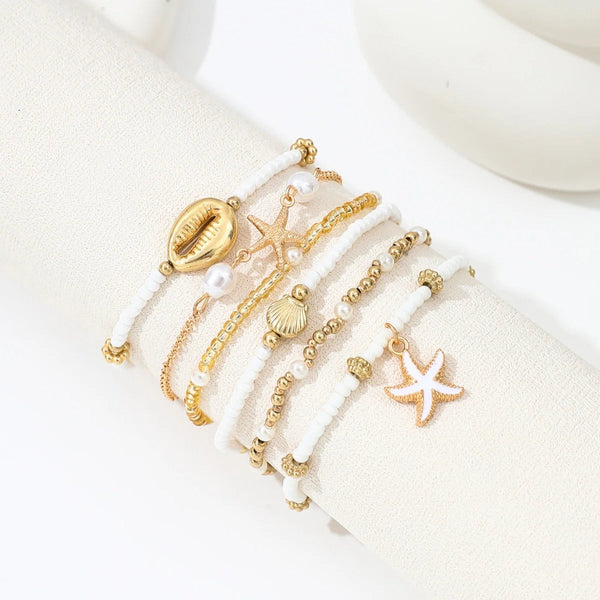
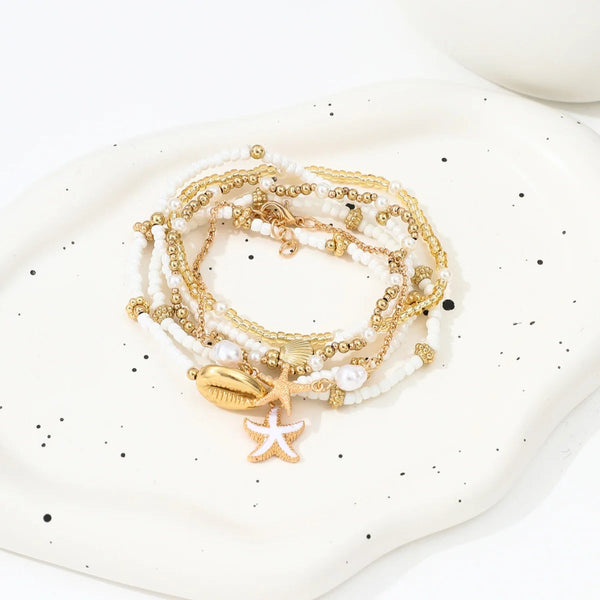
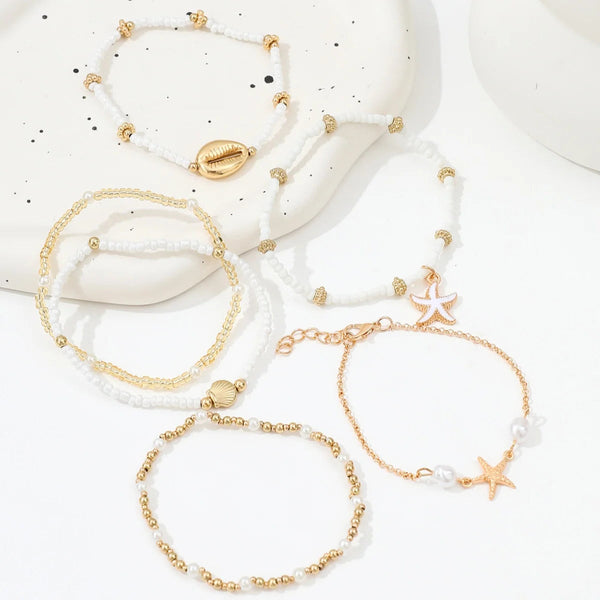
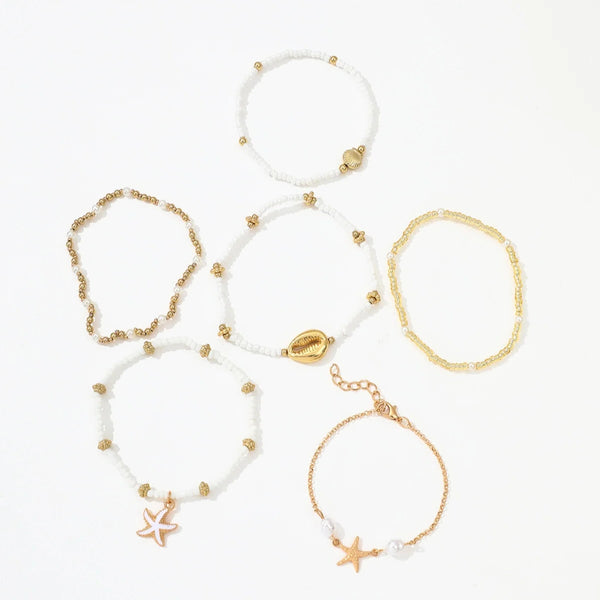
Today’s shell necklaces blend ancient symbolism with modern minimalist style, and they pair beautifully with complementary pieces such as our shell bracelets or refined shell rings, creating a cohesive coastal-inspired look.
The revival of the puka shell necklace in the 1960s was more than a trend—it was a cultural movement rooted in Hawaiian surf identity. Surfers wore naturally broken puka shell cores polished smooth by ocean waves, celebrating authenticity and a lifestyle tied to the sea.
In the 2000s, shell jewelry returned through Y2K fashion, with cowrie chokers and layered beachy necklaces worn across seaside destinations. The current resurgence—driven by Pinterest, slow fashion, and a renewed connection to nature—blends ancient heritage and modern boho elegance.
FAQ — History of Shell Necklaces
What is the oldest known shell necklace?
The oldest known shell jewelry consists of Nassarius gibbosulus beads discovered in the Skhul Cave (Israel) and Oued Djebbana (Algeria). These beads are dated between 100,000 and 135,000 years old, proving that personal adornment predates modern civilization.
What is the spiritual meaning of wearing shells?
Spiritually, shells represent protection, fertility, and the divine feminine. In Polynesian culture, they contain Mana (spiritual power), while in Ancient Egypt, cowrie shells were used as amulets to protect women during childbirth and ward off the "evil eye."
Were shells really used as money?
Yes. The Cowrie shell (Monetaria moneta) was the most widely used currency in history. It was used for centuries across Africa, Asia, and Oceania to trade for goods, livestock, and services before being replaced by metal coins.
Conclusion — A Timeless Connection Between Humanity and the Sea
Across continents and millennia, shell necklaces have carried a meaning far deeper than adornment. From prehistoric beads exchanged between early humans to ceremonial pieces worn by Egyptians, Polynesians, and Mediterranean civilizations, shells have always embodied protection, beauty, identity, and connection to the natural world. By wearing a shell necklace today, you tap into this ancient lineage—a blend of symbolism, craftsmanship, and the eternal rhythm of the sea.
Anthropologists often note that the continuity of shell jewelry across 100,000 years is extraordinary. Few art forms or symbolic traditions have lasted so long or appeared in such diverse environments. This longevity speaks to something universal—our desire to carry nature’s beauty close, our fascination with the ocean, and our instinct to communicate identity through adornment. Shell necklaces remain one of the clearest examples of how humans transform natural materials into culture, memory, and meaning.

To explore modern interpretations of this timeless tradition, discover our curated Shell Necklace Collection, thoughtfully designed to echo the elegance and heritage of the world’s earliest jewelry.