
The shimmering shores of Hawaiʻi have long whispered secrets of the ocean. Among these treasures, one stands out for its rugged simplicity: the Puka shell. In Hawaiian, the word "Puka" literally means "hole"—referring to the naturally occurring perforation in the center of the shell.
For generations, these sun-bleached beads have been symbols of good luck for sailors. Today, from the resurgence of 90s surf style to the modern boho aesthetic, the puka shell necklace remains a timeless icon of the ocean lifestyle. Whether you are looking for authentic vintage vibes or refined coastal luxury, this guide explores the soulful history and biology of the Puka. Ready to wear the legend? Explore our curated selection of shell necklaces.
What is a Puka Shell? (Science & Origin)
Authentic puka shells are not a specific species of animal, but rather the weather-worn apex (top) of a Cone Snail (Conus) shell. Through years of tumbling in the surf and grinding against coral reefs, the body of the shell breaks away, leaving only the thick, button-like top. The ocean naturally drills the central hole, creating a ready-made bead.
Because they are shaped by nature's violence—waves, sand, and time—no two authentic puka shells are identical. This natural process is what gives them their reputed Mana (spiritual power) and value compared to mass-produced, machine-cut imitations.
Historical Context
The story of the puka shell begins far before souvenirs and fashion trends. Thousands of years ago, Pacific Islanders navigated and lived from sea to sea. Among the bounty brought by tides were broken pieces of cone shells, often worn smooth and perforated by waves. These naturally forming holes — or “puka,” meaning “hole” or “opening” in Hawaiian — transformed fragments of shell into ready-made beads. Early Hawaiians recognized these as more than refuse; they were tokens of nature’s rhythm, a way to carry the sea close against skin. Worn singly or strung into strands, puka fragments became modest adornments, reminders that humans were woven into the sea’s cycle.

Archaeological finds on islands across Polynesia — from Hawaiʻi to Tonga and Samoa — uncover strands and beads carved from shells and coral. These early ornaments were not mere decoration; they spoke of identity, status, and spiritual belonging. For many generations, shells linked wearers to sea‑faring ancestors who read waves, hunted turtles, and navigated by stars. The puka shell, humble as it was, bridged the earthly and the sacred with every bead threaded through cord or twine.
For the first inhabitants of the Hawaiian archipelago, shells were also functional — used as tools, currency, or trade goods as much as ornamentation. As contact with outside cultures increased in the 18th and 19th centuries, Western influences brought new materials (glass beads, metals), yet the cultural resonance of shell beads — including puka — remained potent. By the time Hawaiʻi entered the modern era, puka beads had woven themselves into a hybrid identity: rooted in ancestral seas, yet evolving through outside waves of change.
Thus, puka shells carried silent memory: each hole polished by island surf, each fragment a relic of old currents. And whenever someone picked up one of those weathered beads, they touched a history older than maps — a bracelet against time itself.
Authentic vs. Fake: How to Spot Real Puka Shells
With the global boom in beach jewelry, the market is flooded with imitations. Here is how to distinguish a genuine Hawaiian puka from a factory-made copy:
- The Edges: Real puka shells have smooth but slightly irregular edges, softened by the ocean. Fake ones are often jagged or "too perfect" (cut by machines).
- The Hole: In a natural puka, the hole is slightly conical and weathered. In a fake, the hole is drilled straight and sharp.
- The Sound: When shaken, real shells have a dense, ceramic-like "clink." Plastic or low-quality imitations sound dull or hollow.
At ShellVibe, we celebrate the organic beauty of the ocean. Our pieces, like the Coastal Seashell Necklace, honor these natural textures.
Development Across Civilizations
Polynesian Voyagers and Early Shell Adornment
Long before Hawaiʻi’s islands were settled, navigators spread across vast Pacific waters, carrying only the stars above and shells from distant atolls below. For them, shell beads — sometimes naturally perforated by waves — served as early adornments marking identity, social rank, or clan membership. The translucence of polished shell, warmed by sun and sea, reflected a bond with oceanic realms. As coastal dwellers moved from one island group to another, beadwork styles traveled too, embedding shared motifs across diverse island cultures.
Hawaiian Royalty and Sacred Symbolism
When Hawaiʻi developed its own hierarchical society, adornments became markers of class. While feather cloaks and elaborate jewelry often signified chiefs and aliʻi, simpler shell items like puka beads remained common among fishermen, navigators, and everyday people. Yet, even these humble pieces carried meaning: shells were believed to contain mana — spiritual power — drawn from the sea and earth. A strand worn by a fisherman might speak of ocean blessings, safe travel, or ancestral respect. In that way, puka shell adornments bridged commonality and sacredness, across strata and castes.
European Contact and Shifting Materials
The arrival of Europeans in the late 18th century brought access to metal, glass beads, and new crafting tools. These new materials quickly found favor among Hawaiians — glass beads replaced shell ones in many necklaces, bracelets, and trade items. Yet, shell ornaments never disappeared completely. In rural communities and among fishing families, puka beads continued to be fashioned and worn. Their understated simplicity resonated with everyday life, even as new materials defined status and wealth. In that transitional era, puka shells quietly held on to their place — a cultural thread woven through change.
Tourism, Souvenirs, and Puka Shell Revival
By the mid‑20th century, Hawaiʻi became a sought-after tropical destination for travelers from around the world. With growing tourism came a booming market for souvenirs — and puka shell necklaces found commercialization. Local artisans began stringing polished shell fragments onto cords, offering them as “authentic island jewelry” to vacationers. Although many of these pieces were now mass-produced rather than hand‑collected from beaches, the trend sparked renewed interest. For many tourists, wearing a puka shell necklace became a symbol of carefree summers and breezy beach days — a romanticized echo of ancient traditions.
From David Cassidy to VSCO Girls: A Pop Culture Icon
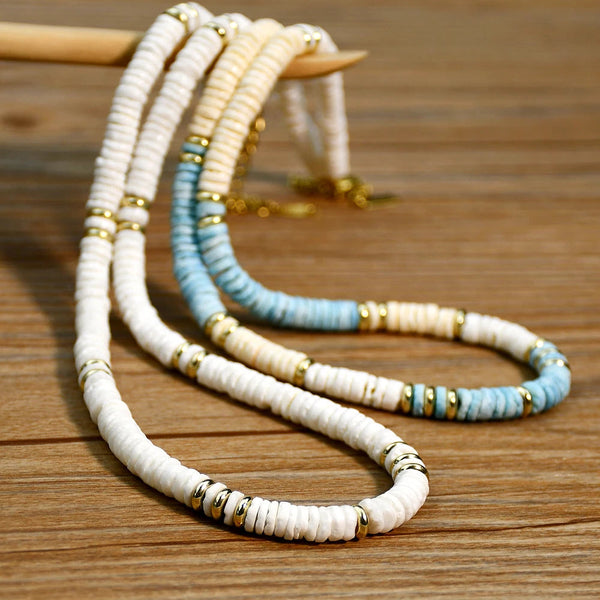
While ancient in origin, the Puka shell necklace exploded into global pop culture in the 1970s. Legends like David Cassidy and surf icons made the "classic white choker" the ultimate symbol of the cool, laid-back Californian vibe. It wasn't just jewelry; it was a badge of freedom.
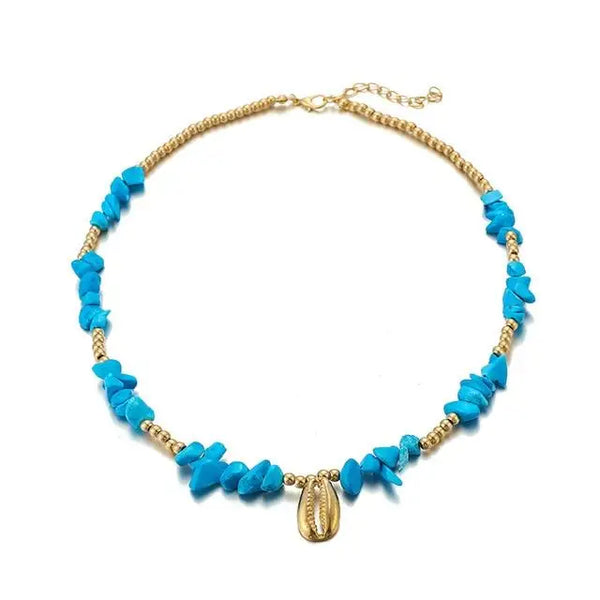
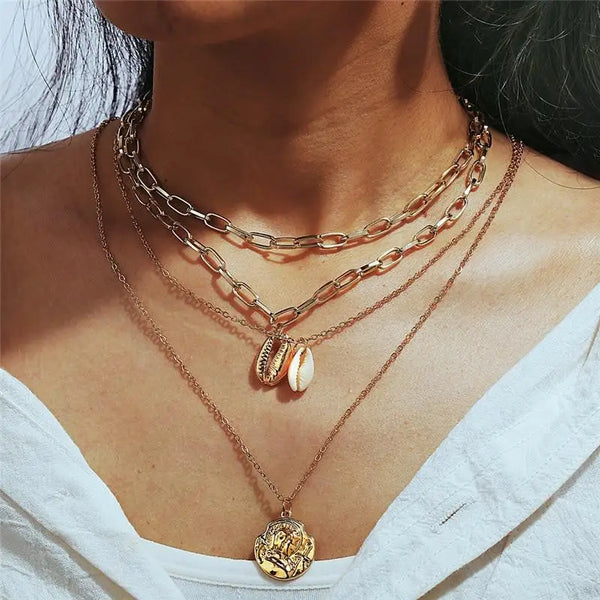
The trend saw a massive revival in the late 90s (think Blink-182 and skater culture) and returned again recently with the "VSCO Girl" and "Outer Banks" aesthetic. Today, the necklace has matured. Designs like our Boho Surfer Shell Choker elevate the look with natural flake beads in coastal tones. It is no longer just for teenage surfers but is styled by high-fashion brands and worn as a layering piece with gold chains and pearls, bridging the gap between nostalgia and modern luxury.

Symbolic Meanings
Spiritual Connection with the Sea
In Hawaiian culture and many Pacific island societies, shells have always symbolized the sea’s power — its abundance, mystery, and generosity. A puka shell necklace can thus represent a spiritual link to ocean depths, a wearable reminder of tides that carry life. When worn close to the skin, the shell beads are said to channel sea energy: calm, grounding, renewing.
Protection and Safe Journey
Because puka shells were often collected after being polished by surf and tide, they symbolized safety through peril — rugged survival, waves endured, storms weathered. Many seafarers believed that wearing a puka necklace offered protection for travel, especially ocean voyages. As such, the necklace could become a talisman of safe return, a quiet prayer for smooth waters and guiding stars.
Femininity, Natural Beauty, and Earthly Grace
Though early usage was not gendered, modern fashion often associates puka shell necklaces with feminine beach beauty — soft curves, warm shells, and a closeness to nature. As natural jewelry, they evoke organic elegance: unpolished, unrefined, grounded. For women embracing boho coastal style, a puka shell necklace can feel like wearing the shoreline itself: gentle, weathered, alive with quiet strength.

Wealth of Nature, Not Material Wealth
Unlike gold and gemstones, puka shells stand for a different kind of richness — the abundance of nature, the cycle of tides, the gift of earth and sea. Wearing a puka shell necklace suggests appreciation for natural resources, rather than ostentatious display. It celebrates simplicity, authenticity, and an intimate relationship with the natural world — a wealth rooted in environment, not economy.
Evolution Toward Modern Style
In the 20th century, the puka shell necklace evolved from rare island artifact to global fashion staple. As surfboards cut through Pacific waves and beach towns thrived under sunlit tourism, puka beads drifted onto mainland boardwalks and into surf shops. In California, Australia, and beyond, wearing a puka shell necklace became shorthand for surf culture rebellion, salt-splashed freedom, and youth‑infused adventure. That laid-back aesthetic resonated powerfully with rebellious beach communities that sought to carry a bit of island soul with them.
As decades passed, coastal style softened further. By the 1990s and 2000s, puka necklaces were no longer just casual surf accoutrements — they appeared alongside layered dresses, driftwood rings, and woven baskets. A movement toward boho minimalism embraced natural textures and beach accessories: seashell anklets, wooden beads, leather cords. Today, those early strands are ancestors to soft neutral palettes, layered natural jewelry, and summer wardrobes that whisper of tides more than trends.
In the slow fashion era, puka shell and other sea-derived jewelry have taken on renewed significance. Ethically sourced beads, handcrafted cords, and fair‑trade production align with values of sustainability, respect for environment, and timeless wearability. A modern puka shell necklace isn’t just a souvenir — it’s a conscious choice to favor pieces that age gently, carry stories, and tread lightly on the earth.
On platforms like Pinterest and coastal lifestyle blogs, puka shell necklaces now pair with linen dresses, woven straw hats, driftwood bangles, and soft leather sandals. They have become staples in beach wardrobes that prioritize comfort, warmth, and natural harmony. For many women, wearing a puka shell necklace — or layering it with bracelets and anklets — evokes the sound of surf, the scent of salt, and the calm rhythm of tides.
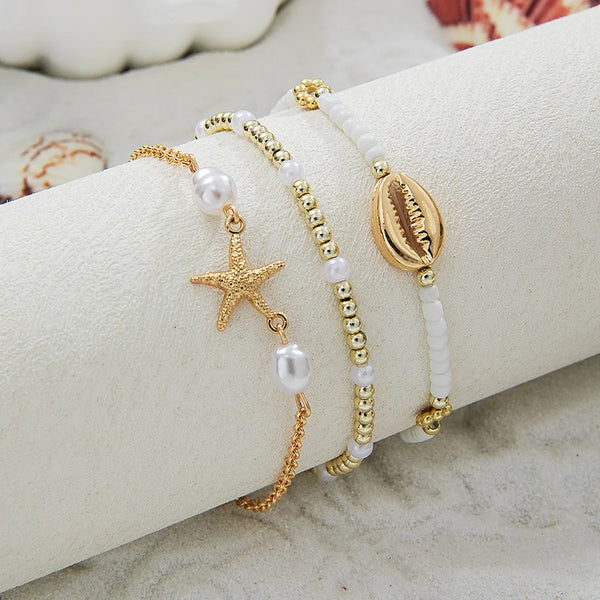
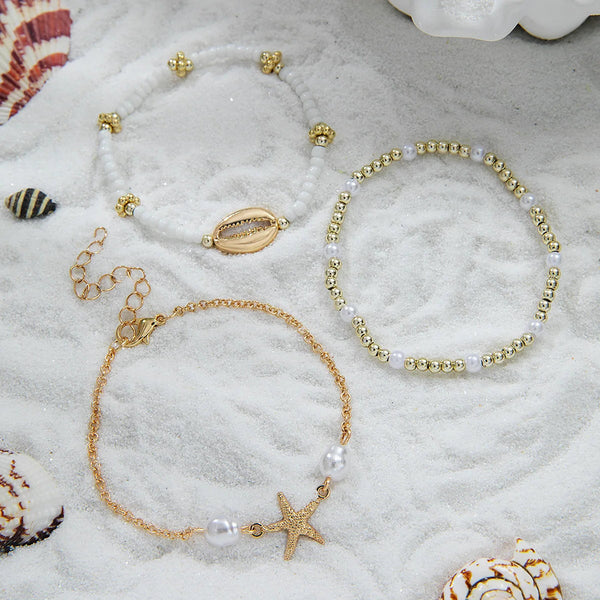
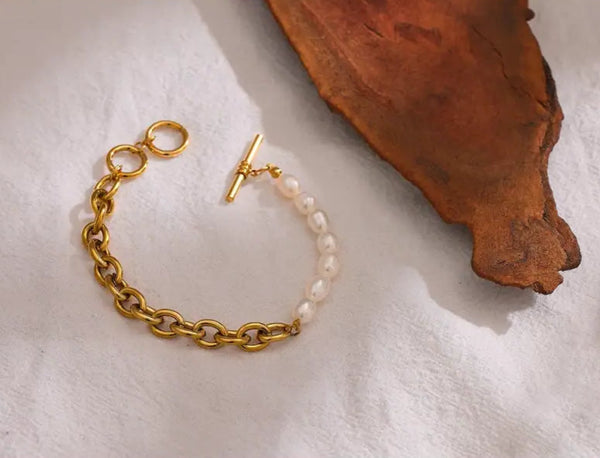
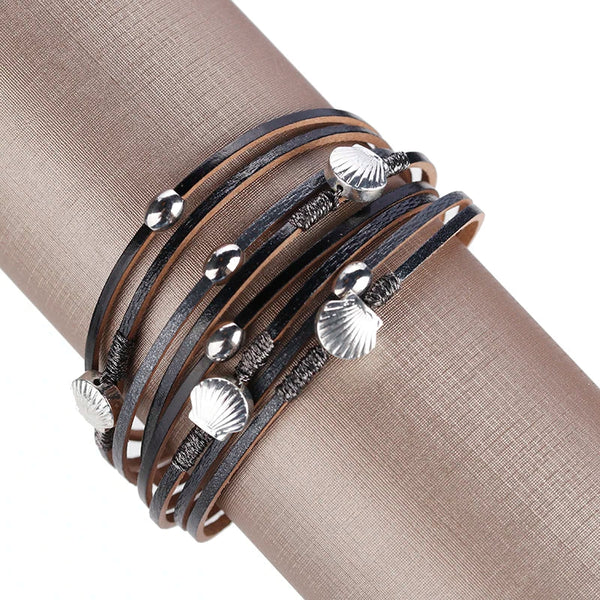
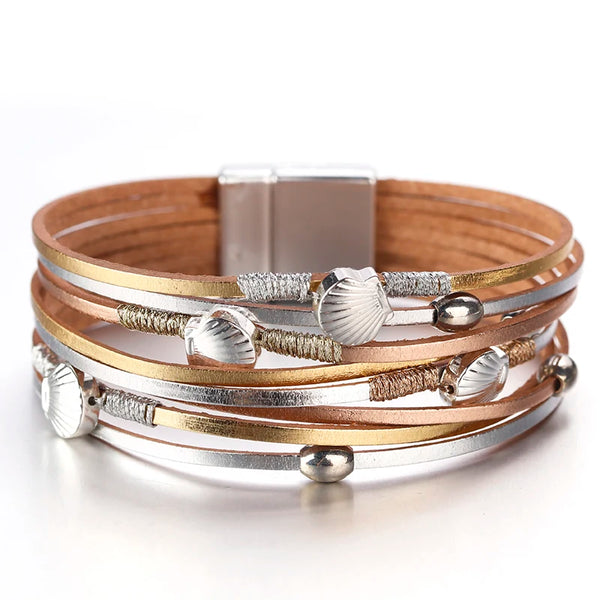
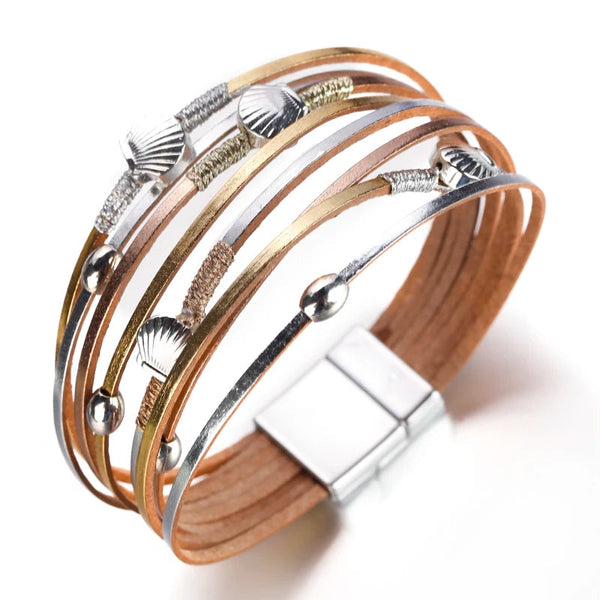
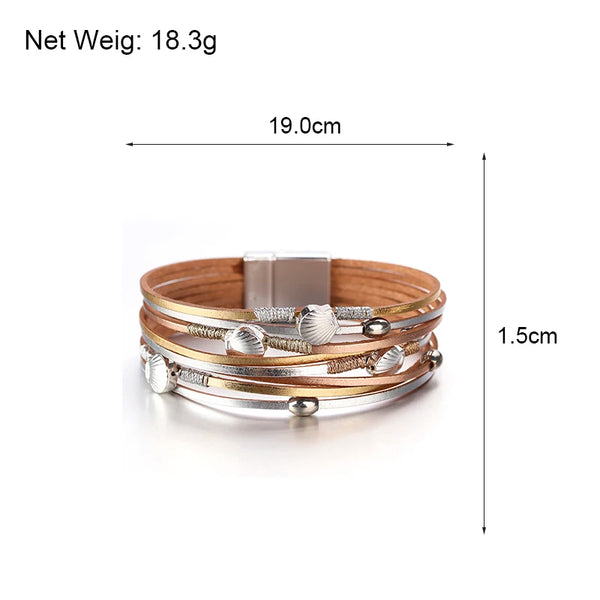
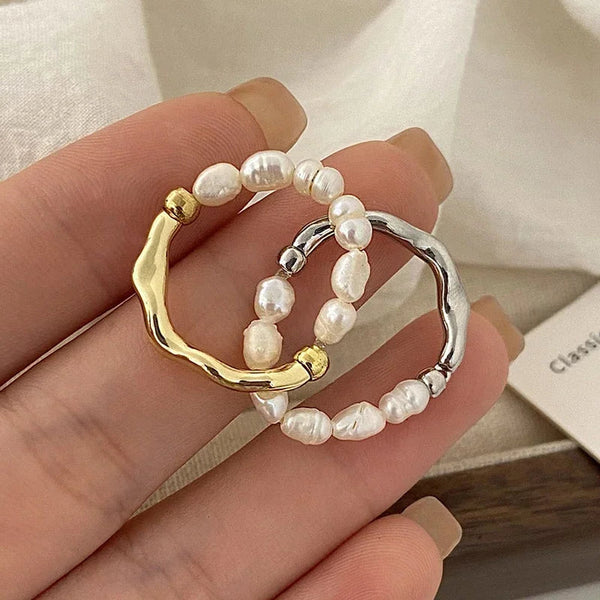
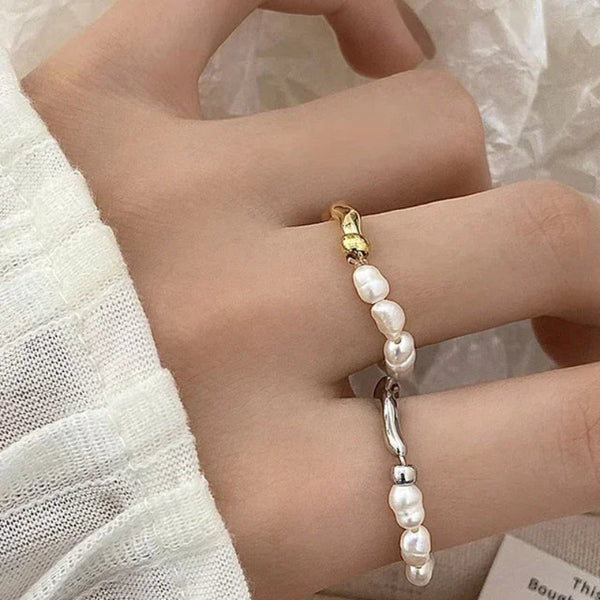
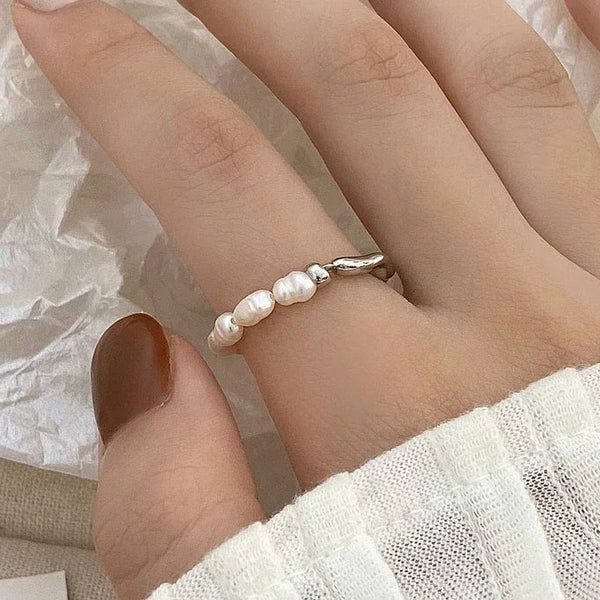
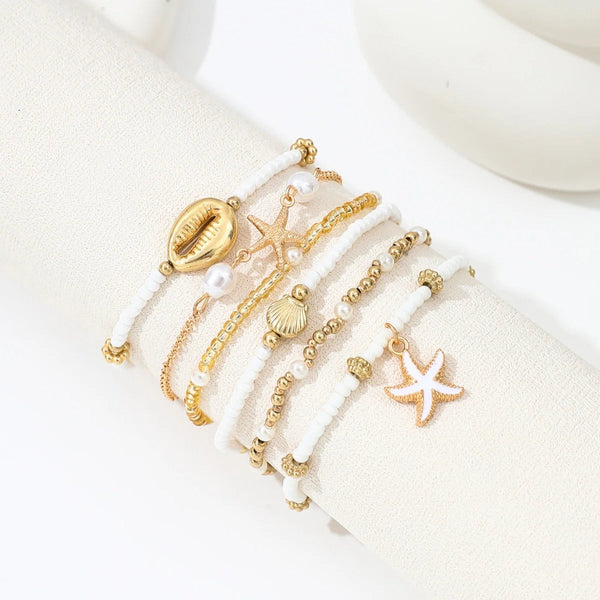
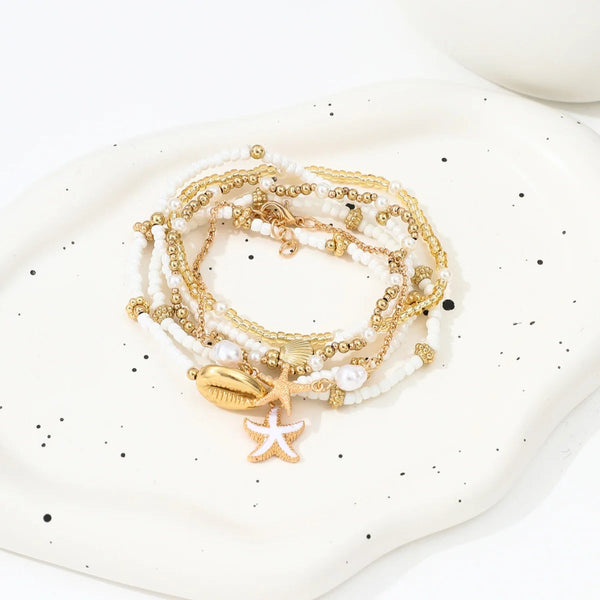
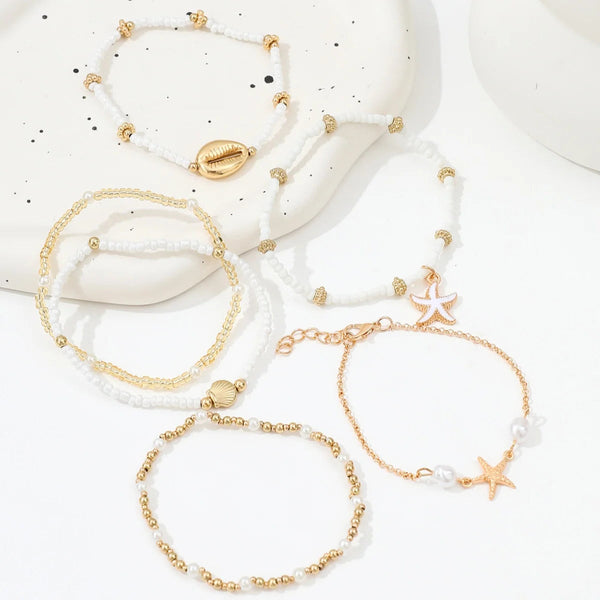
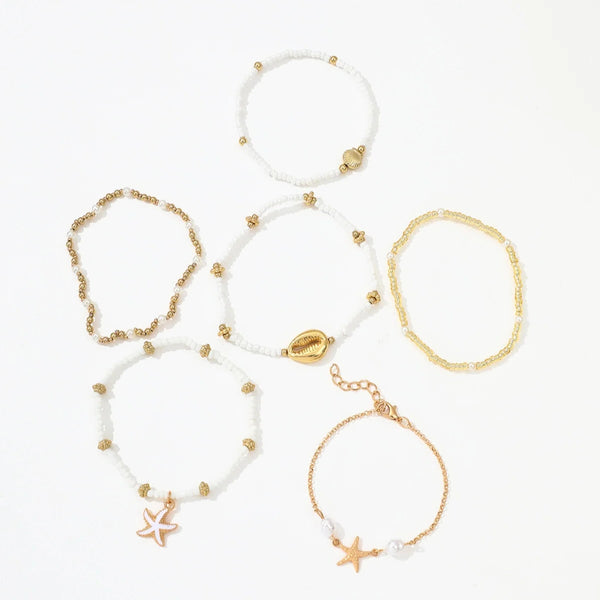
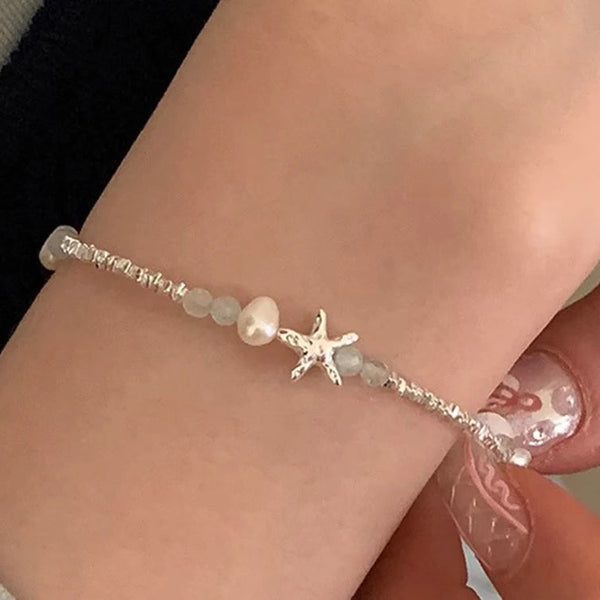
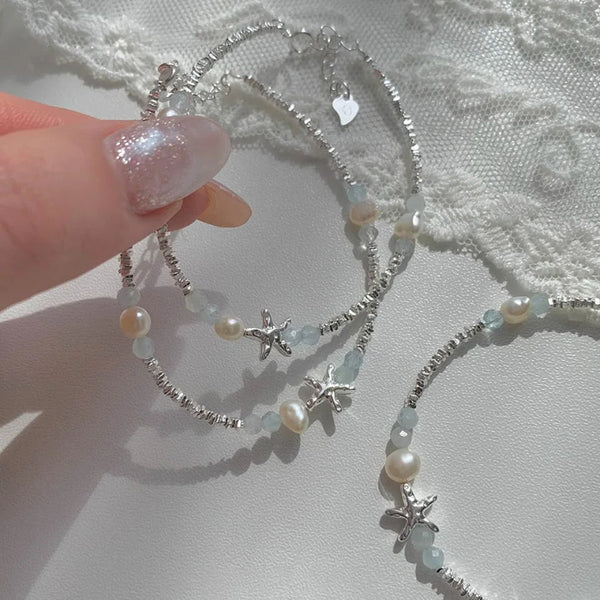
For those who love to accessorize from head to toe, complementing a puka necklace with an earthy bracelet or subtle anklet creates a cohesive seaside silhouette. Explore shell bracelets at shell bracelets, or choose delicate anklets and rings from our curated shell anklets or ocean inspired rings collection, to deepen that boho coastal style. In blending necklace, bracelet, and anklet, you weave a personal shoreline — each piece a bead in your own ocean-born story.
FAQ — Puka Shell Traditions & Style
What does a puka shell necklace symbolize?
Traditionally, a puka shell necklace symbolizes safe ocean travel. The natural hole allows good luck to pass through to the wearer while trapping bad spirits. It is also a symbol of the "Aloha" spirit and a deep connection to the ocean's power.
Are authentic puka shells worth money?
Yes, authentic vintage puka shells (especially those naturally worn by the surf on Hawaii's North Shore) are becoming rare and valuable. Unlike cheap factory-cut imports, genuine beach-worn shells are finite resources, making high-quality strands collectible items.
How do I style a puka shell necklace for everyday wear?
Puka necklaces pair beautifully with casual, beach-inspired wardrobes. Wear them with linen tops, cotton dresses, or simple tees to evoke a laid‑back coastal vibe.
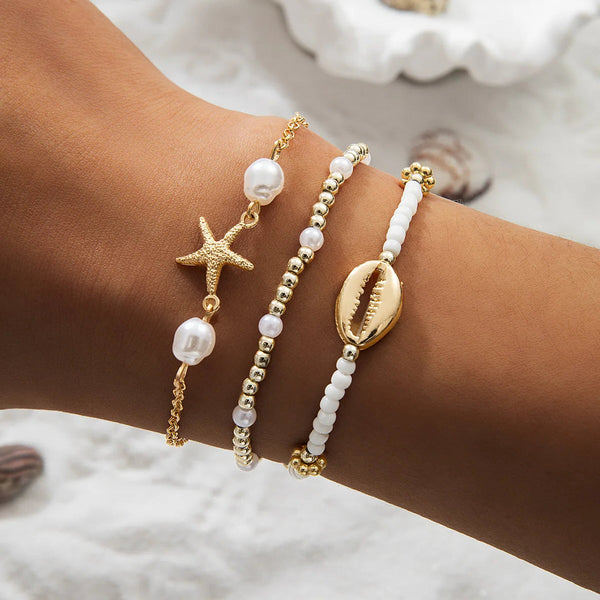
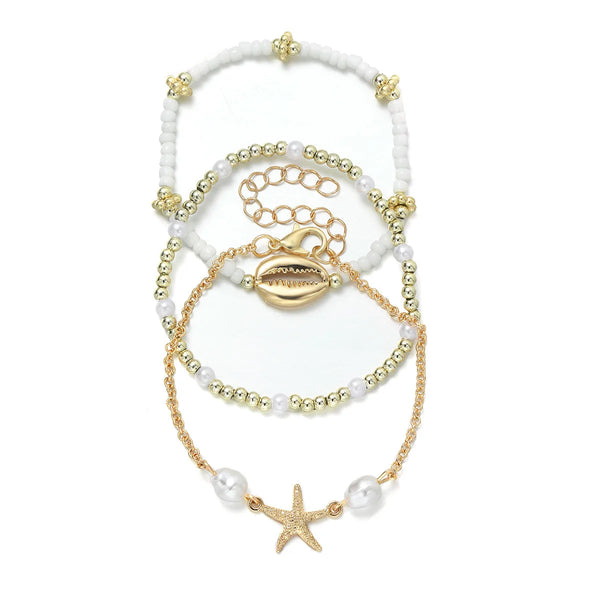
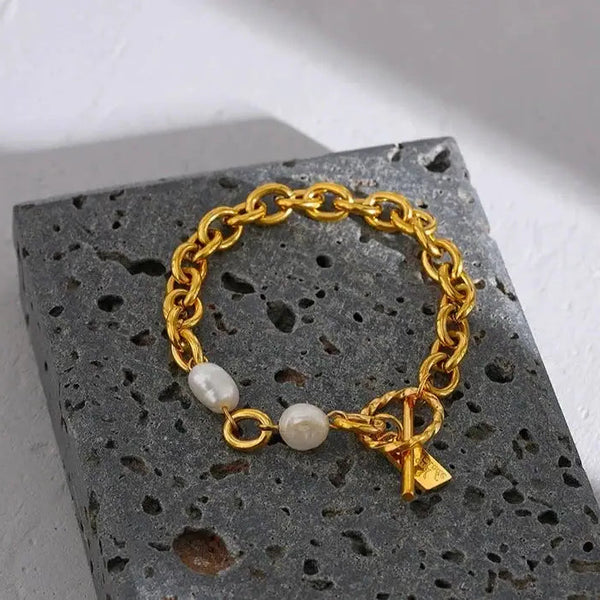
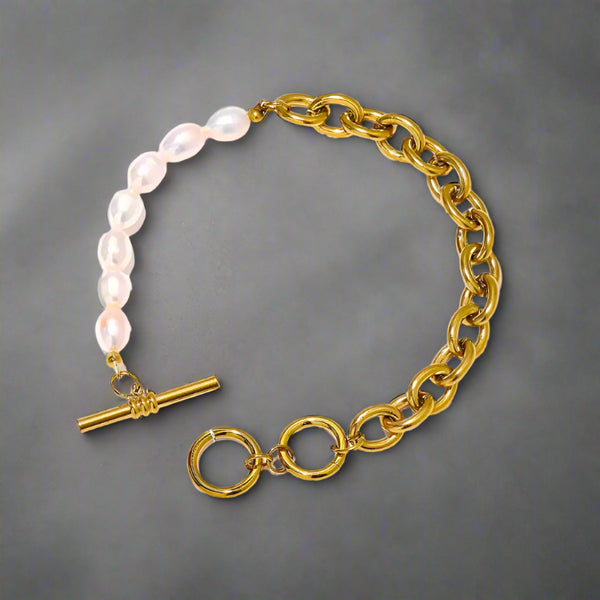
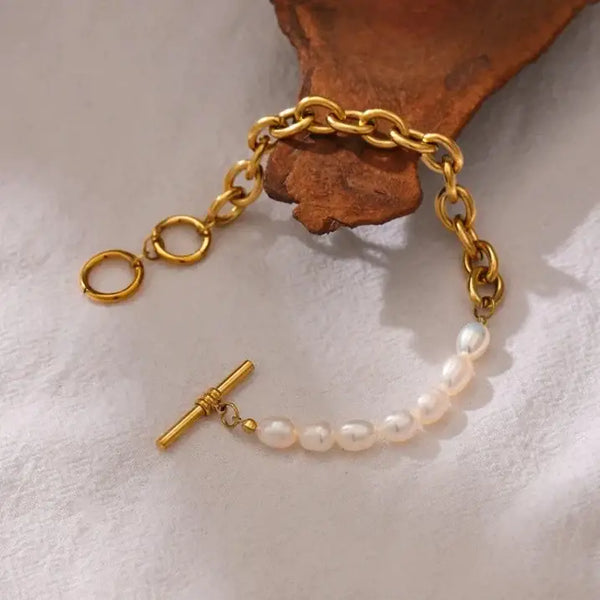
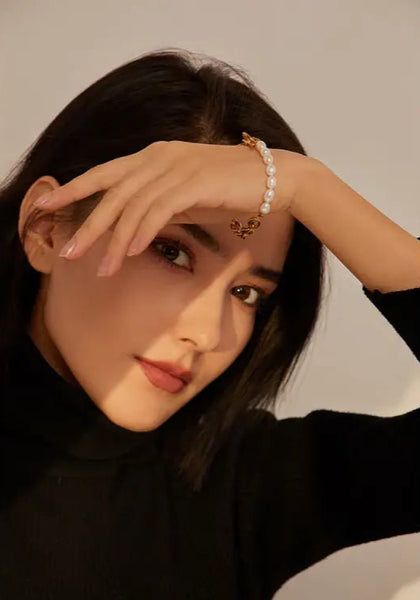
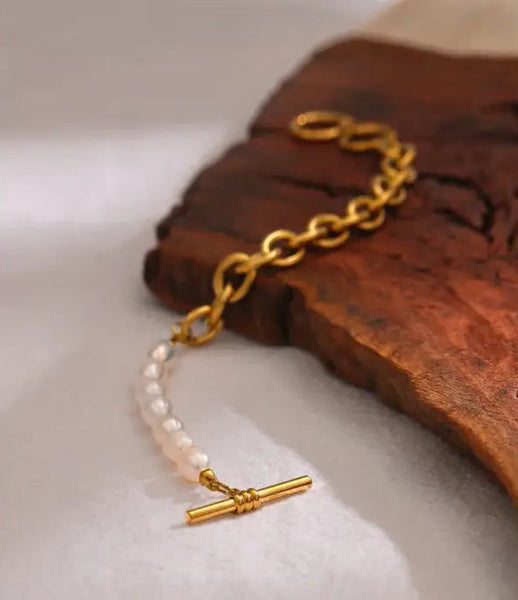
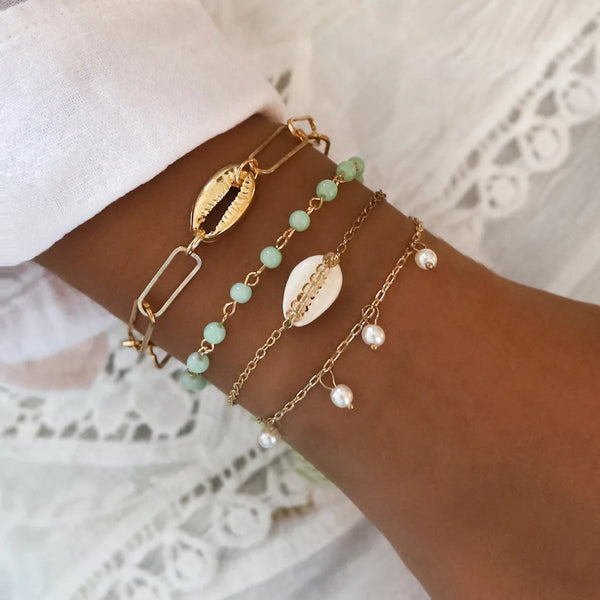
For a complete boho coastal style, layering is key. Pair your necklace with shell bracelets or anklets mixed with natural materials like leather or pearls.

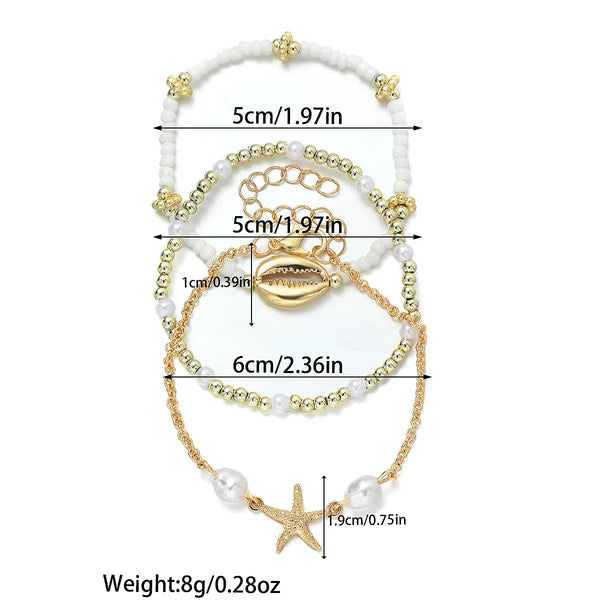
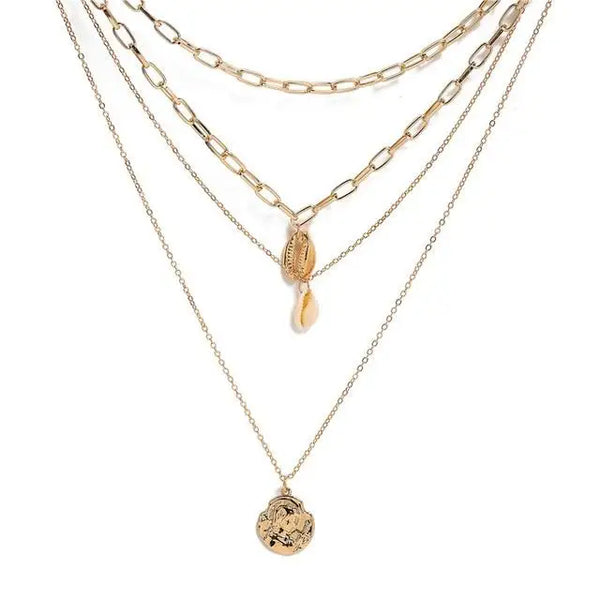
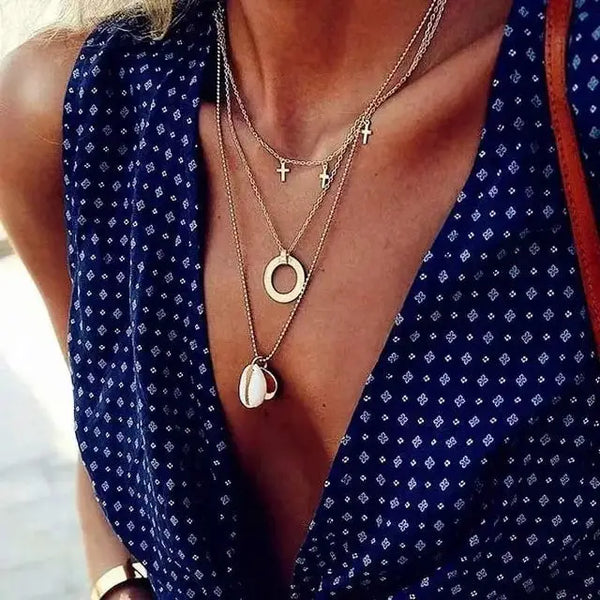
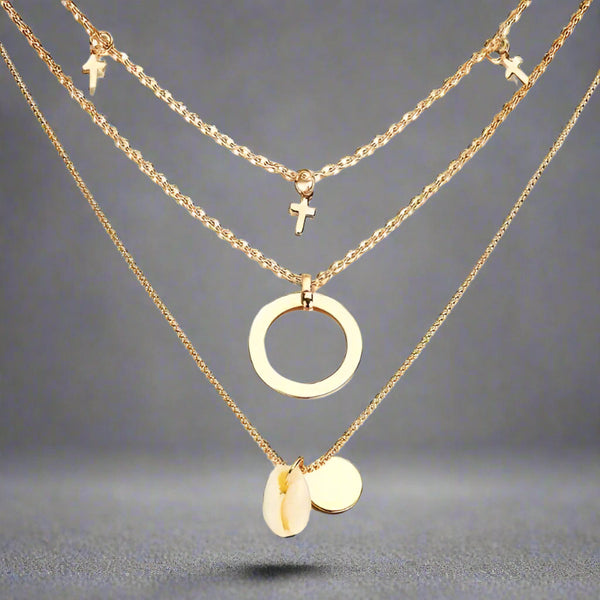
Perfect match: The Golden Shore Layered Set
What animal does the puka shell come from?
The puka shell is not a species itself but the weather-worn top (apex) of a Cone Snail (Conus) shell. After the snail dies, the empty shell is battered by waves until only the durable, button-like top remains naturally perforated.
Conclusion
The puka shell necklace carries more than just the grace of sea-polished shell. It carries memory — of waves tumbling shells into smooth shapes, of ancient voyagers voyaging under starlight, of island communities weaving identity through beads threaded on cord. To wear a puka shell necklace today — whether as part of beach accessories, natural jewelry, or boho coastal style — is to connect with a deeper rhythm: tides, traditions, and the whisper of salt on wind. If you're drawn to pieces rooted in heritage, earth, and ocean, explore our thoughtfully crafted collection to find the shell necklace that speaks to your soul.