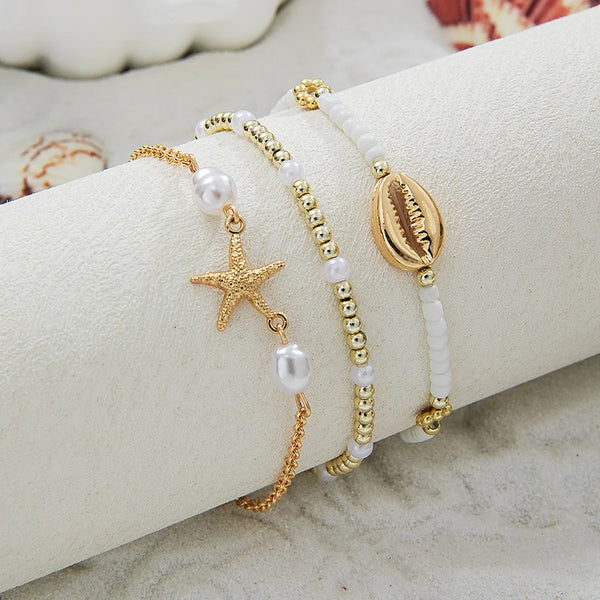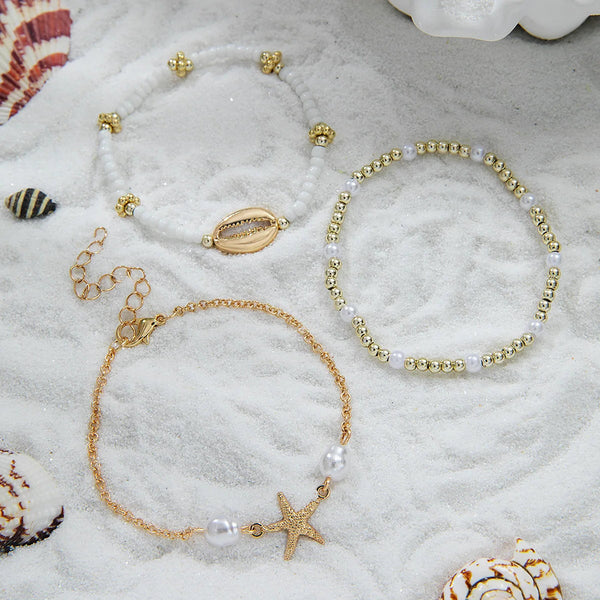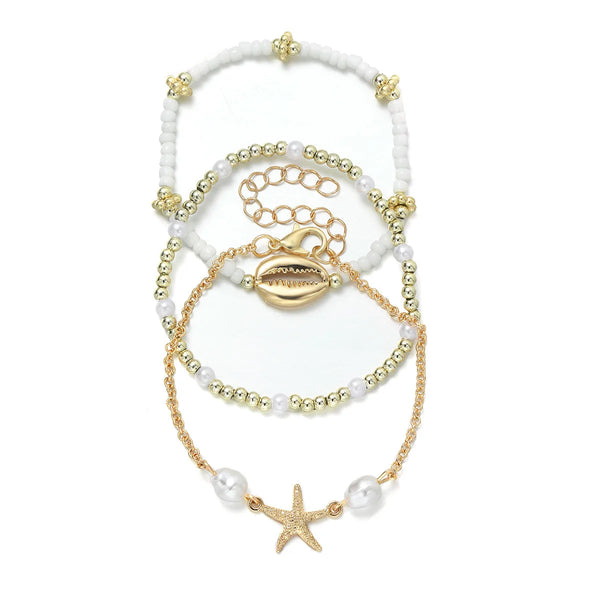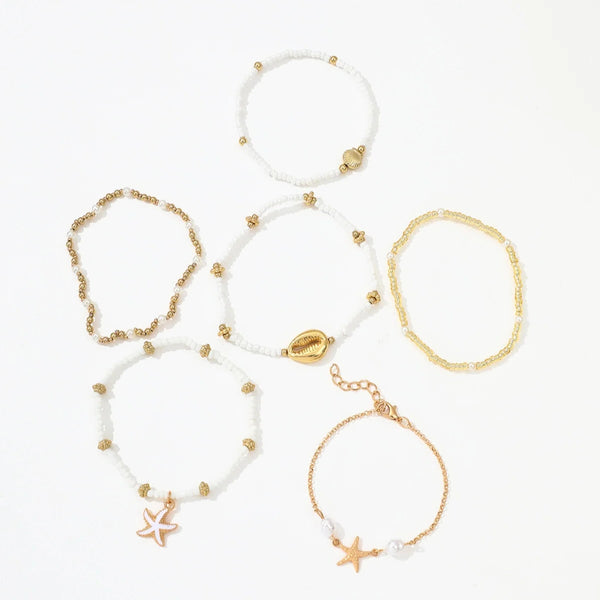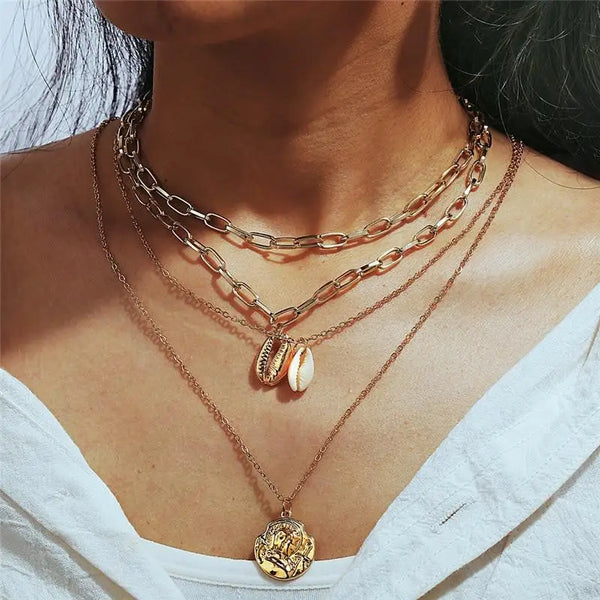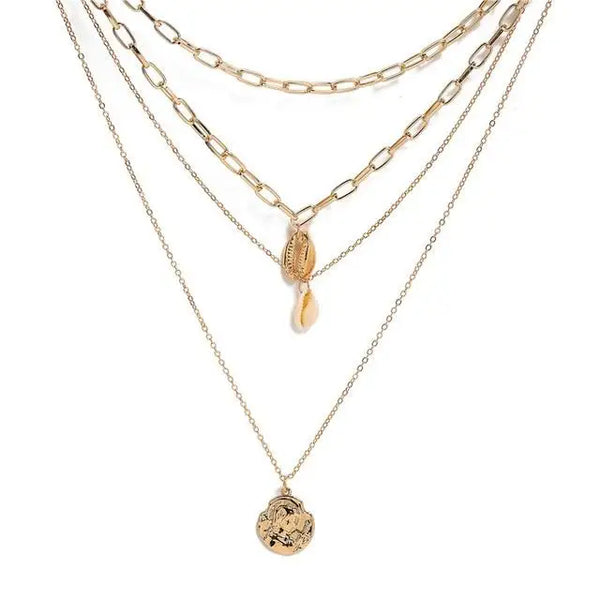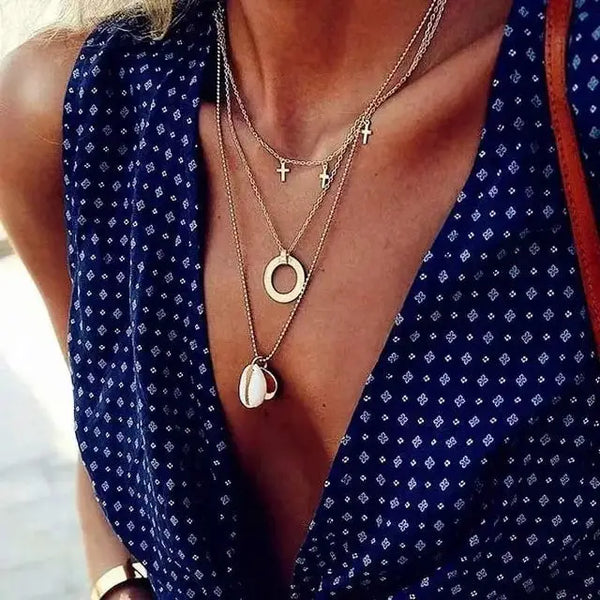

Hold a cowrie shell in your palm. Feel that? It’s not just the cool, smooth touch of calcium. It’s the weight of history. For centuries, this wasn't just jewelry. It was money. It was magic. It was a contract between the human spirit and the divine feminine.
We often make the mistake of looking at a shell necklace and seeing only a "beachy accessory." We see a $20 souvenir from a Tulum vacation.
But strip away the modern context, and you are left with something far more potent. You are looking at the first global currency. You are looking at the symbol that adorned the crowns of Yoruba kings and the masks of Papua New Guinea spirits. The cowrie is a paradox: it is found by the millions in the shallow waters of the Indian Ocean, yet it has commanded the fate of empires.
When you wear a cowrie today, you aren't just following a trend. You are signaling a connection to abundance, protection, and the deep, chaotic power of the ocean. Let’s strip back the layers of this porcelain enigma.
The Biology: A Living Porcelain
Before it was a coin, it was a life. The cowrie is a marine gastropod, specifically from the family Cypraeidae. While there are over 200 species, the two that changed the world are Monetaria moneta (the Money Cowrie) and Monetaria annulus (the Ring Cowrie).

Have you ever noticed how cowrie shells never seem to lose their shine? Unlike other shells that tumble in the sand and grow dull, the cowrie remains eternally glossy. This isn't an accident. It’s biology.
The living animal extends its mantle—a soft, fleshy skin—up and over the shell, wrapping it completely. This mantle secretes the enamel that builds the shell layer by layer from the outside in. The animal is constantly polishing its own home. It requires no human intervention to look finished. It emerges from the ocean ready for the market.
Most Monetaria moneta historically harvested for trade didn't come from Africa. They came from the Maldives. For centuries, these atolls were the "mint" of the world, where women waded into the lagoons, harvesting the "live money" from palm fronds laid in the water to attract them.
The shape is equally distinct. It has no spire like a snail. It is rounded on top, flat on the bottom, with a toothed aperture running down the center. This opening—often resembling a half-closed eye or the female vulva—is the source of its immense symbolic power. Biology dictates form; humans dictate meaning.
History: The Weight of Trade & The Great Inflation
Money is a shared hallucination. We agree that a piece of paper has value, so it does. Long before the dollar or the Euro, the world agreed on the cowrie.
This wasn't a primitive barter system. It was a sophisticated, international banking standard. From the 13th century onward, Arab traders loaded ships in the Maldives, sailing on the monsoons to East Africa. From there, caravans carried the shells across the Sahara into the heart of West Africa.
The Price of a Soul
We must speak of the darkness. The history of the cowrie is inextricably linked to the Atlantic slave trade. European powers—the Portuguese, Dutch, and English—realized that West African kingdoms valued these shells above gold. They began to industrialize the transport.
Ships departed European ports, sailed to the Maldives or India to buy shells, and then sailed to the Bight of Benin. There, the shells were offloaded by the ton. It wasn't just jewelry; it was the currency used to purchase palm oil, ivory, and human beings. To wear a cowrie is to acknowledge this heavy ancestry. It represents resilience. It represents the survival of culture despite the commodification of life.
The Crash of the Century
Economics is brutal. In the mid-19th century, European traders found a loophole. The "Money Cowrie" (Monetaria moneta) was the gold standard. But a similar shell, Monetaria annulus, grew in abundance off the coast of Zanzibar in East Africa.
German and French traders flooded the West African market with billions of these "Zanzibar shells." The result was hyperinflation. The "Great Inflation" of the late 1800s saw the value of the cowrie plummet. Prices for goods skyrocketed. Sacks of shells that once bought a cow could now barely buy a chicken. The colonial powers eventually banned the shell currency to force the use of their own coins, breaking the economic independence of the region.
Yet, the shell survived. It moved from the marketplace to the altar. It stopped being money and started being spirit.
Cultural Significance: The Four Corners
The cowrie did not belong to one people. It traveled. It adapted. It spoke different languages.
1. West Africa: The Voice of Oshun
In Yorubaland (modern-day Nigeria and Benin), the cowrie is sacred to Oshun, the Orisha of fresh water, love, and fertility. Mythology tells us that when the Orishas first came to earth, they ignored Oshun because she was female. The world failed. Nothing grew. It was only when they begged for her return that life flourished.
The cowrie is her mouthpiece. In the divination system known as Erindinlogun (Sixteen Cowries), the priest casts the shells on a mat. The pattern of "open" (mouth up) versus "closed" (mouth down) reveals the will of the gods. The shell is the telephone line to the divine.
2. The Americas: The Megis Shell Prophecy
Across the ocean, the Anishinaabe people (Ojibwe) tell a different story. Their oral history speaks of the "Megis Shell" (the cowrie) rising from the great salt water in the East. The shell was a guide.
The Seven Fires Prophecy told them to move west, following the appearance of the shell, until they found the land where "food grows on water." They migrated for centuries, finally stopping in the Great Lakes region where they found wild rice growing in the marshes. Here, the cowrie isn't money; it is a compass. It is the reason the people survived.

3. Asia: The Character of Wealth
Look at the Chinese language. The character for money or currency is 貝 (bèi). This character is a pictogram of a cowrie shell. It appears as a radical in words like "asset" (財), "earn" (賺), and "poverty" (貧). Even thousands of years after they stopped using shells as coins (during the Shang dynasty), the language itself remembers. The shell is etched into the very concept of value.
4. Oceania: The Kula Ring
In the Trobriand Islands of Papua New Guinea, a complex ritual trade known as the Kula Ring exists. Men risk their lives in canoes to travel hundreds of miles to exchange specific shell items.

 Red shell necklaces (Soulava) move clockwise around the ring of islands. White shell armbands (Mwali) move counter-clockwise. You don't "buy" them. You hold them for a year or two, absorb their prestige, and then pass them on. To possess a famous Kula shell is to hold history in your hands. It connects you to every man who held it before you. It is the ultimate social network.

Spiritual Meanings: The Womb & The Eye
Why does this shell resonate so deeply with the feminine? Look at it. The underside resembles the vulva, the gateway of life. In many cultures, wearing a cowrie around the hips is a direct prayer for fertility. It is believed to ease the pain of childbirth and ensure a safe delivery.
But it is also an Eye. The "Evil Eye" is a concept found from Turkey to Mexico—the idea that envy can cause physical harm. The cowrie, with its slit-like opening, is often worn as an amulet to stare back at the malicious gaze. It absorbs the negative energy so you don't have to.
We are seeing a resurgence of this today. Women are reclaiming the cowrie not just as fashion, but as spiritual armor. It signals: I am wealthy in spirit. I am protected. I am connected to the lineage of women who came before me.

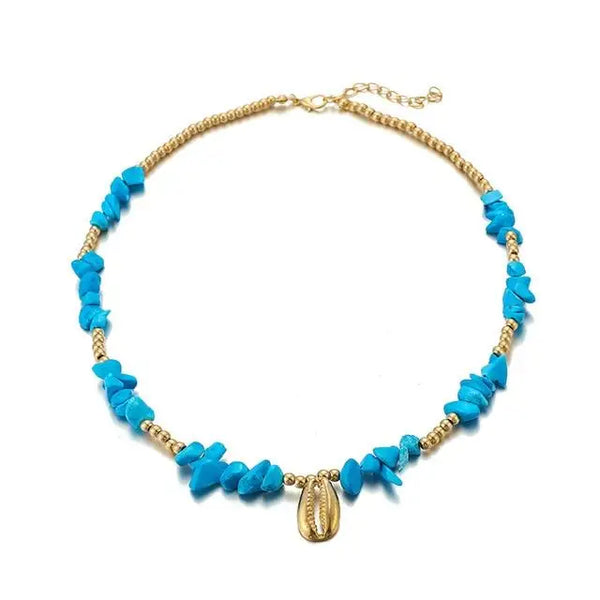
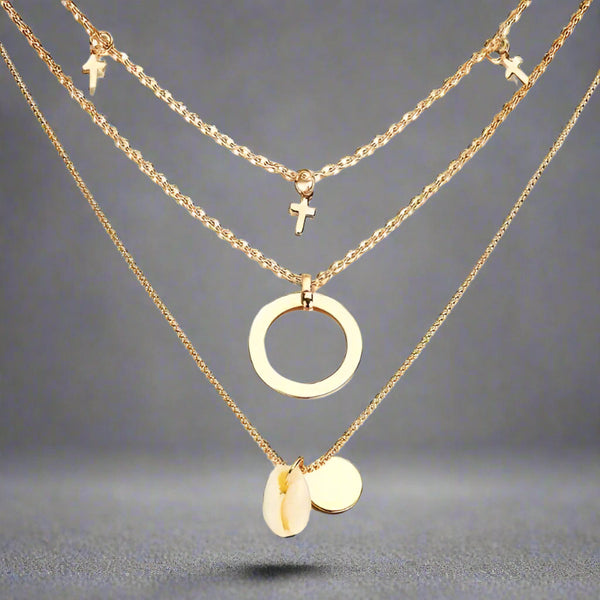
shell necklace Collection
Don't just wear jewelry. Wear armor. Our 24k gold-dipped cowrie choker is designed to sit at the throat chakra—the center of your truth. Ethically sourced and hand-polished.
Shop The treasureStyling Trends 2025: The "Brilliant Reflection"
We are moving past the "boho-chic" of the early 2000s. The 2025 aesthetic is being called "Brilliant Reflection" by trend forecasters. It’s about the play of light on water. It’s sharper, colder, and more luxurious.
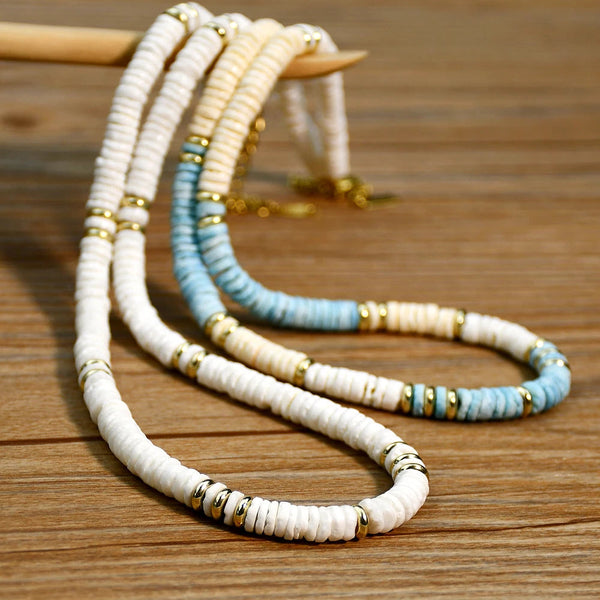
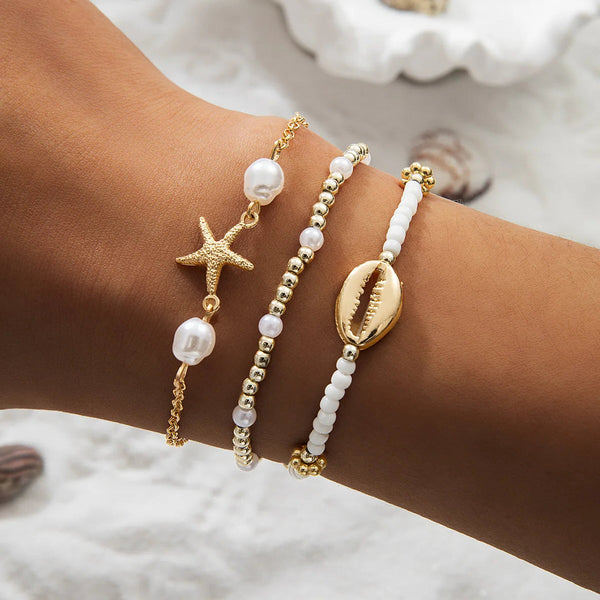
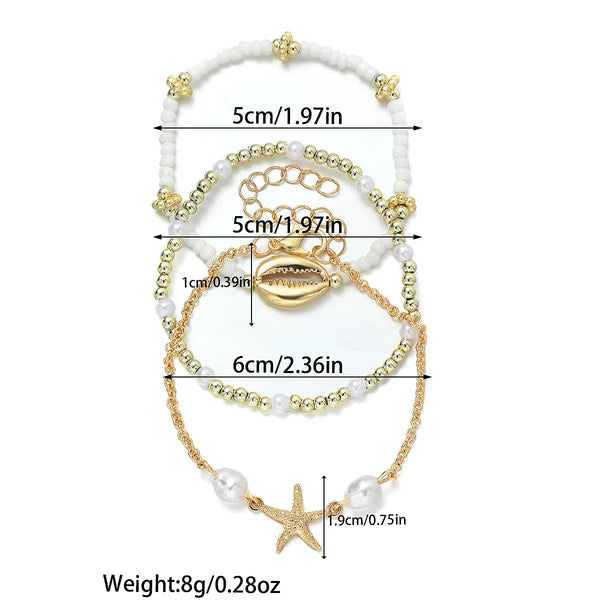
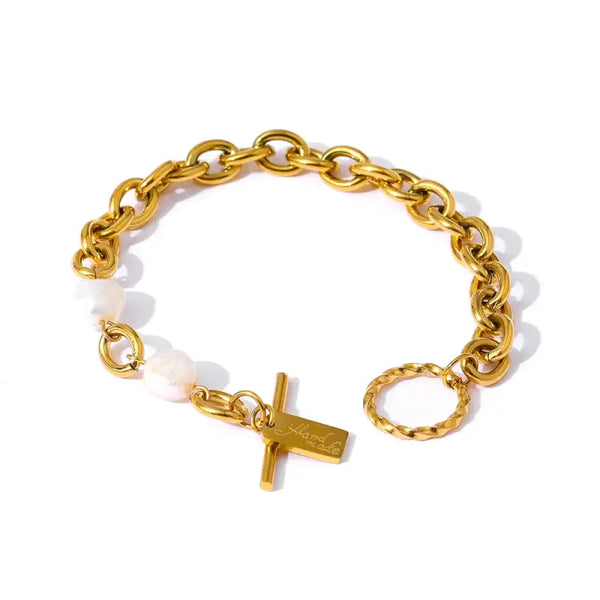
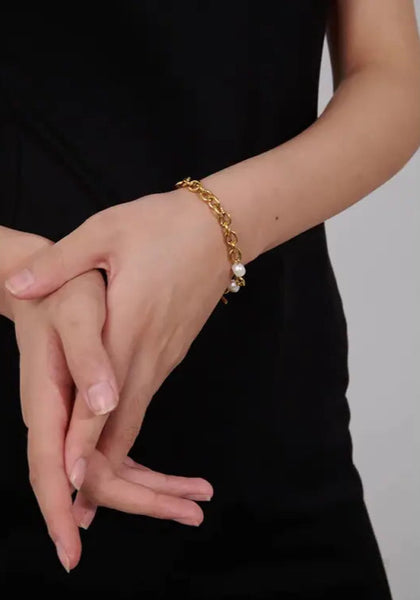
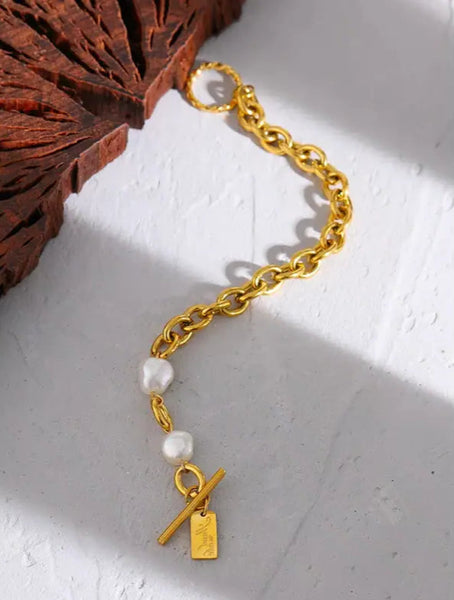
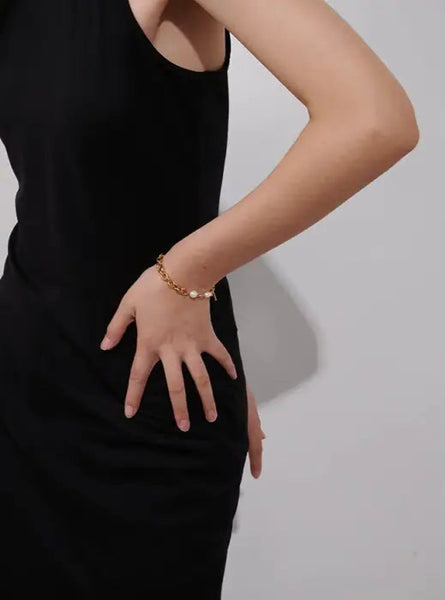
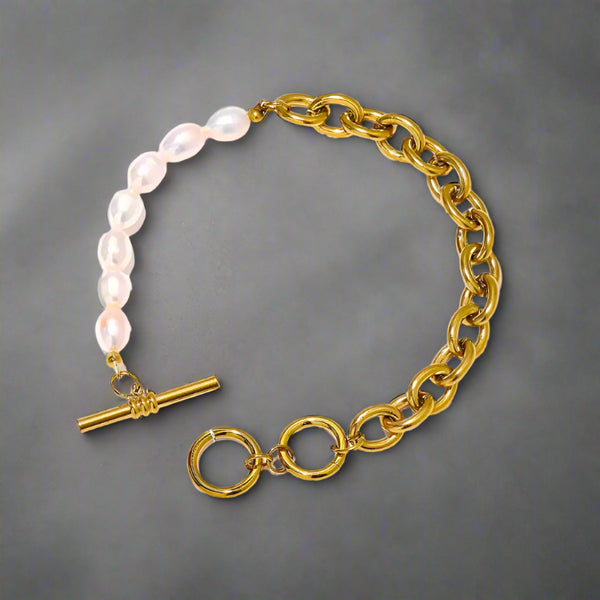
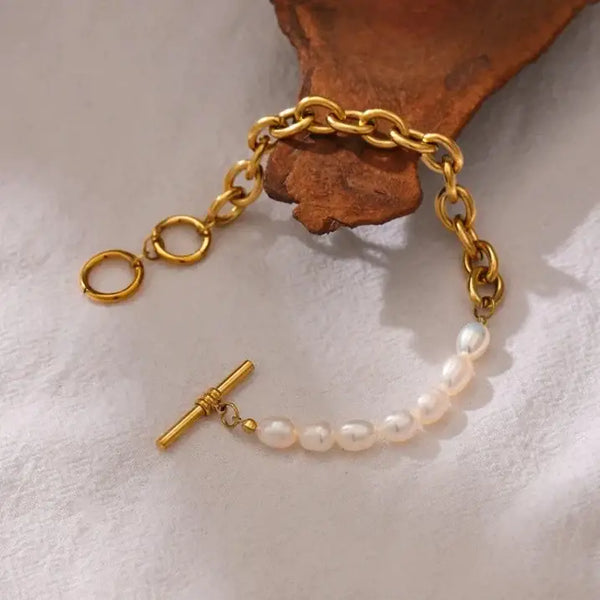
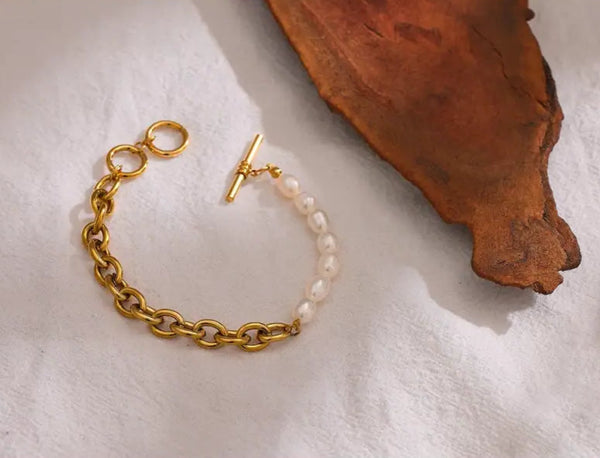
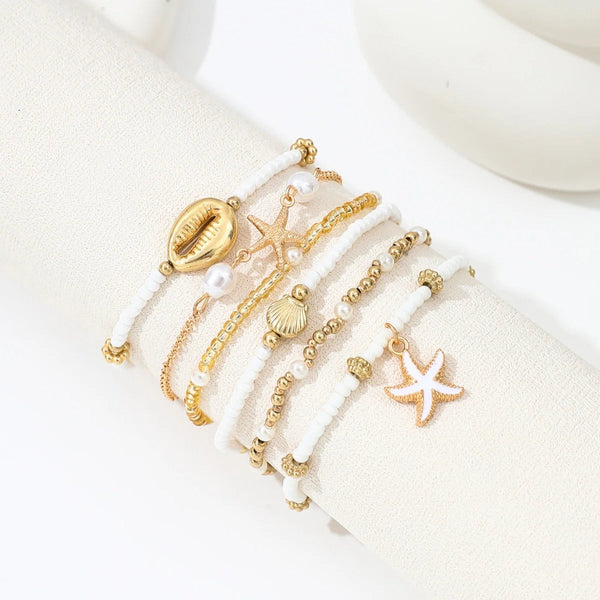
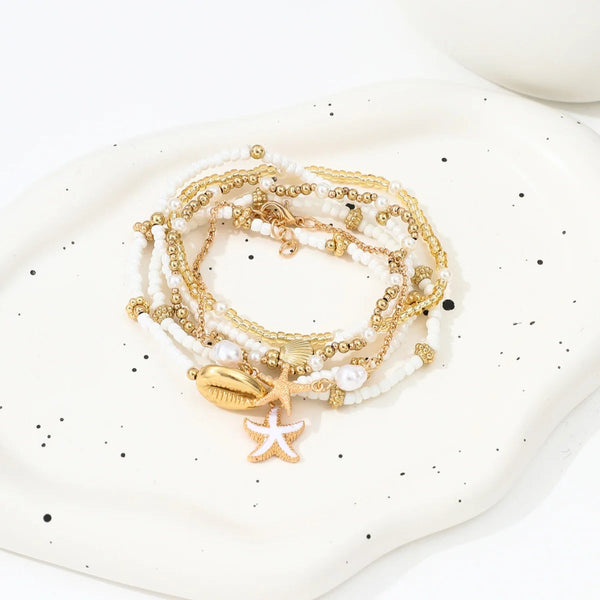
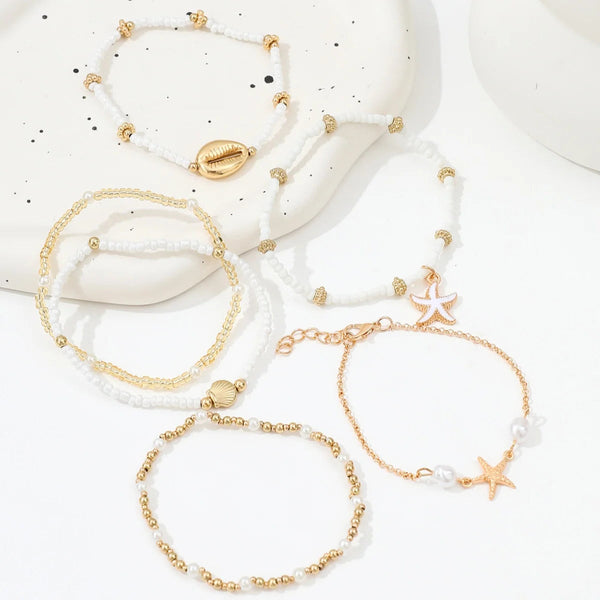
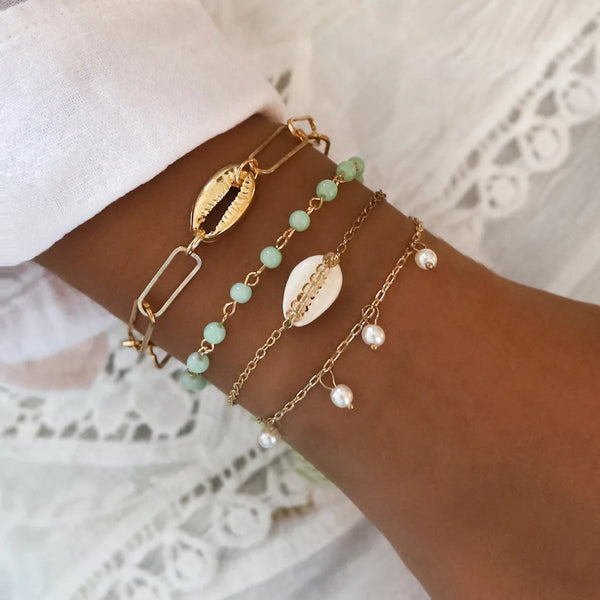
The New Maximalism: Forget the single shell on a hemp cord. The new look is abundance. Think cascading layers of cowries mixed with baroque pearls and heavy gold chains. It’s a texture clash—the organic smoothness of the shell against the industrial hardness of metal.
The "Third Eye" Placement: We are seeing cowries sewn onto headbands, positioned right at the center of the forehead, or worn as chokers high on the neck. It’s regal. It demands attention.
Winter Shells: The old rule was "shells are for summer." Break that rule. A heavy cowrie belt worn over a black cashmere coat in December is a power move. It says you carry the ocean with you, regardless of the season.
To master this look, you need pieces that elevate the natural material. Look for our Golden Horizon Cowrie Hoops, which encases the natural shell in a gold bezel, transforming it from a found object into a gem.
Ready to Signal Your Abundance?
Join the lineage of queens, traders, and mystics.

Care Rituals: honoring the Spirit
If you accept that your cowrie has a "pulse," you must treat it differently than plastic beads. These shells were born in the ocean; they crave it.
Physical Cleaning: Never use harsh chemical jewelry cleaners. The chemicals can strip the natural gloss that the animal worked so hard to create. Instead, use a soft cloth with a dab of olive oil to maintain the luster.
Energetic Cleansing: If you wear your shells for protection, they are absorbing "static" from the world around you. Once a month, rinse them in salt water. If you aren't near the ocean, a bowl of water with Himalayan salt will do. Leave them on a windowsill under the full moon to recharge. You will feel the difference in weight when you put them back on.
Frequently Asked Questions
What does it mean if a cowrie shell breaks?
In spiritual traditions, a broken amulet has done its job. It has absorbed a heavy blow of negative energy or "evil eye" that was meant for you. Do not try to glue it back together. Return it to the earth or the ocean and thank it for its service.
Can I wear cowrie shells if I am not from African descent?
Yes. While highly significant in West African culture, cowrie shells were used globally—from China to Europe to the Americas. The key is intent and respect. Understand the history, acknowledge the lineage, and wear them with appreciation rather than appropriation.
Which way should the cowrie face?
It depends on your intention. Wearing the slit facing outward is generally for protection (staring back at enemies). Wearing the slit facing inward (against the skin) is for personal fertility and connecting with your own feminine energy.
Are cowrie shells expensive?
Modern raw shells are inexpensive, but antique shells (which may have been used as currency) or high-quality jewelry settings can be valuable. The true value lies in the craftsmanship and the metal paired with the shell.
How can I tell if a cowrie shell is real?
Real cowries feel cool to the touch and have a specific weight. Plastic imitations warm up quickly in your hand and often have mold lines on the sides. Real shells also have unique irregularities; no two are exactly the same.
What is the spiritual difference between the Ring Cowrie and the Money Cowrie?
The Money Cowrie (Monetaria moneta) is historically linked to financial abundance and wealth attraction. The Ring Cowrie (Monetaria annulus), with its gold ring on top, is often more associated with spiritual protection and the "eye" symbolism.
Final Thoughts
We live in a digital world. Our money is invisible data in a cloud. Our connections are through glass screens. Perhaps that is why the cowrie calls to us so strongly right now.
It is tangible. It is of the earth. It is a reminder that value used to be something you could hold, something that felt cool against your skin. When you clasp that chain around your neck tomorrow morning, take a second. Pause.
Remember the women in the Maldives lagoons. Remember the traders on the spice routes. Remember the priests casting the oracle. You are not just getting dressed. You are continuing a story that has been being written for five thousand years.
Wear it well.