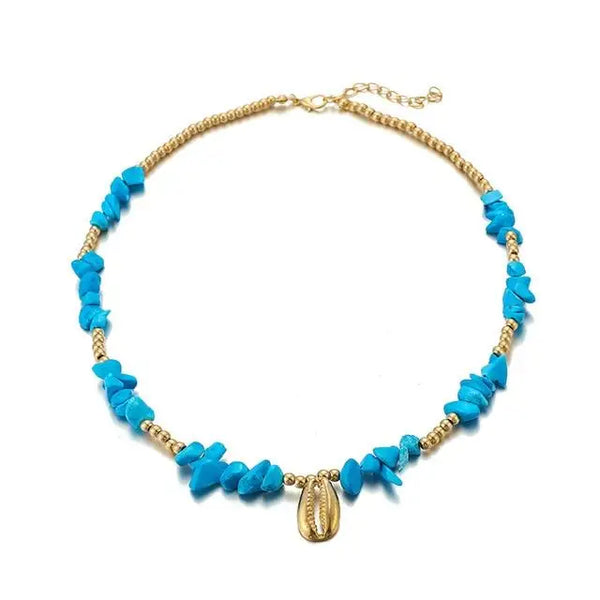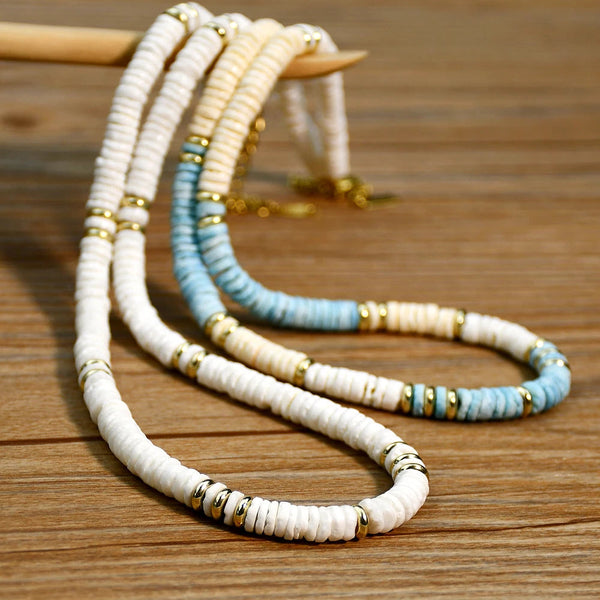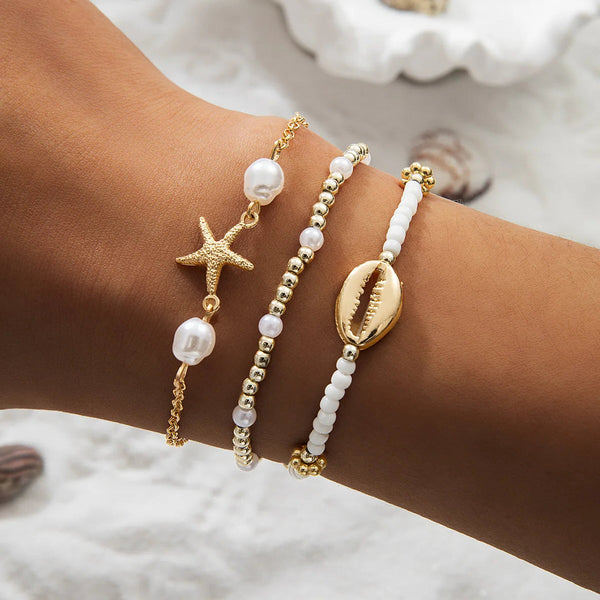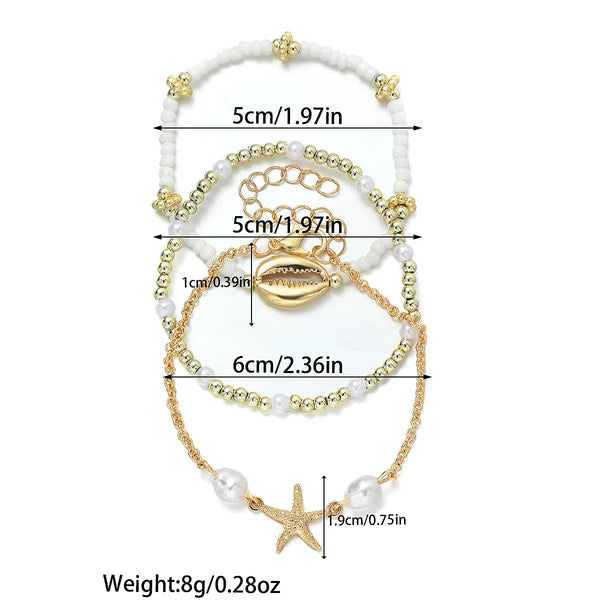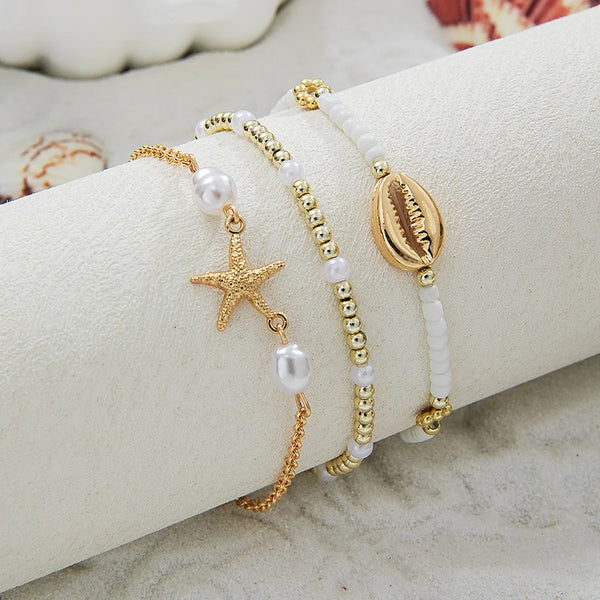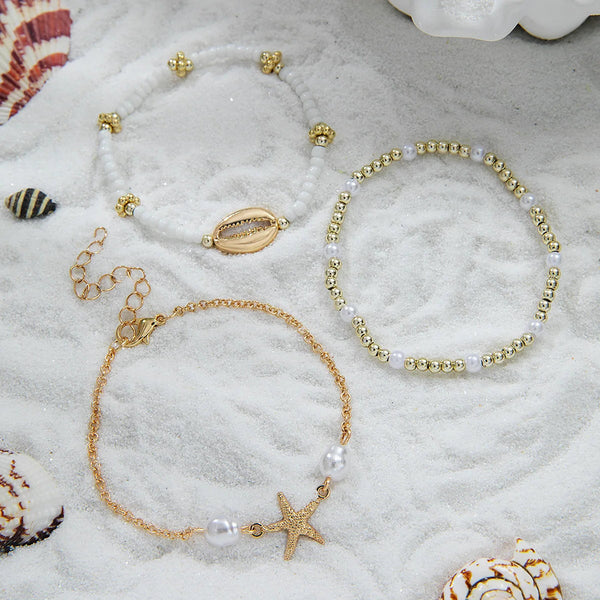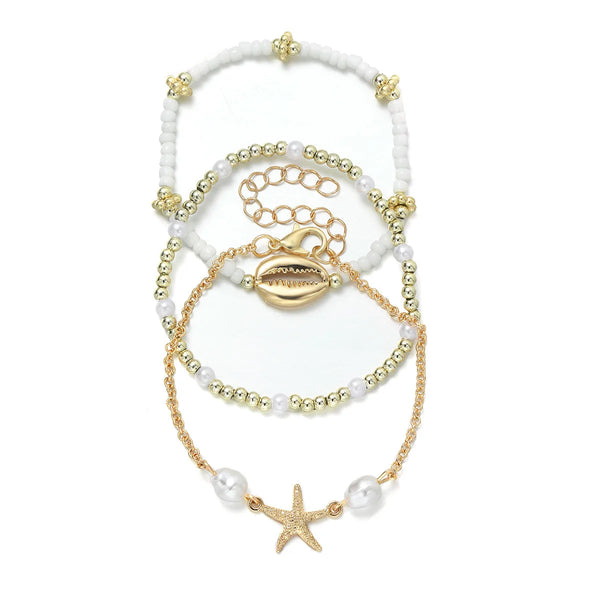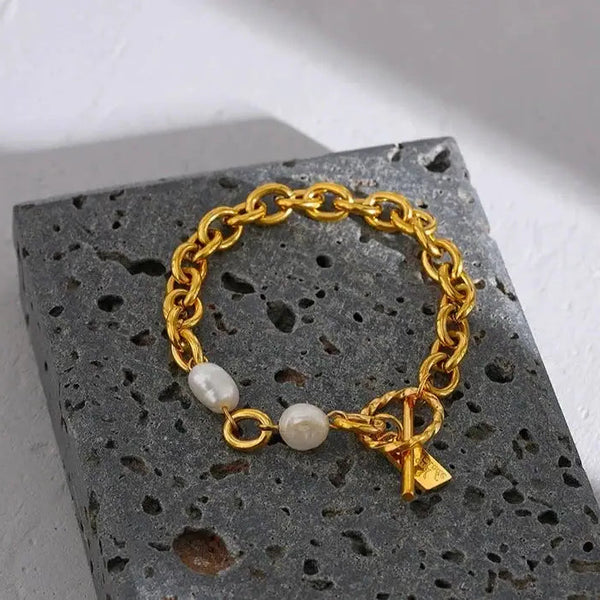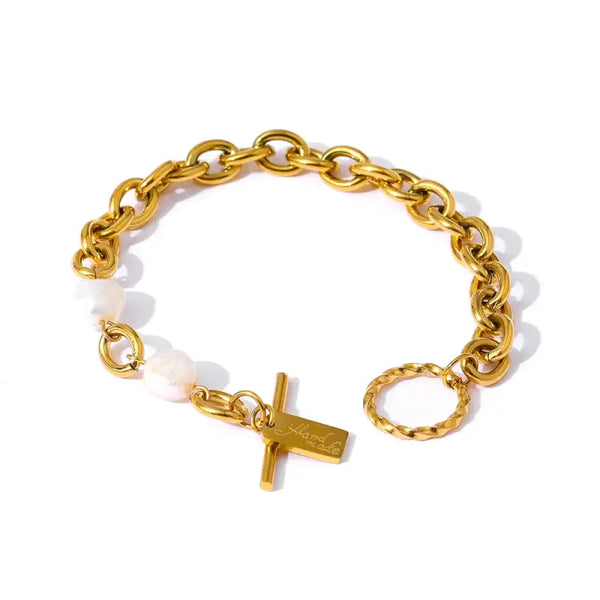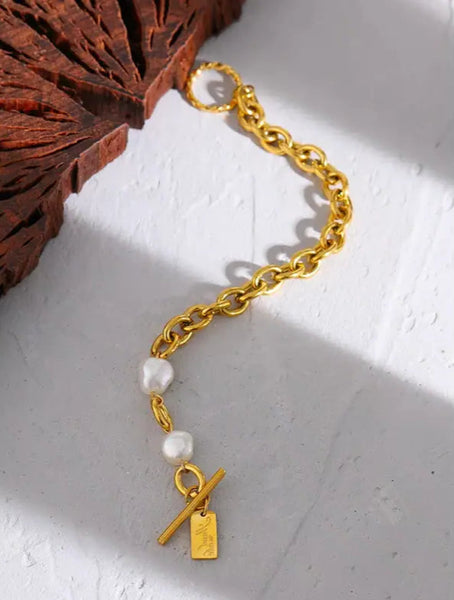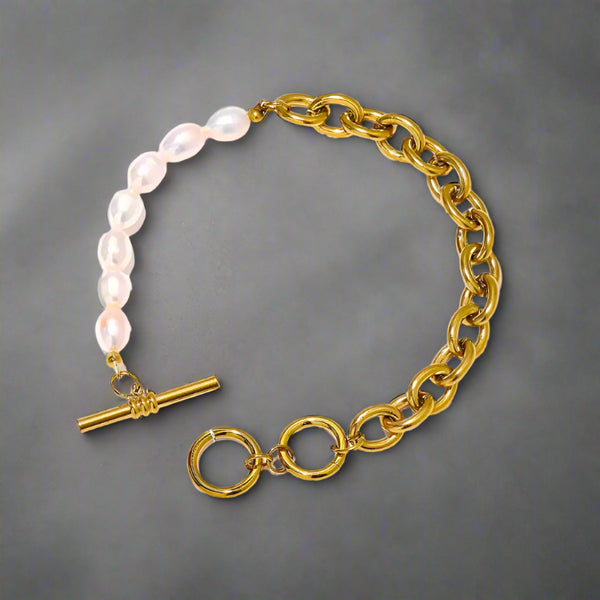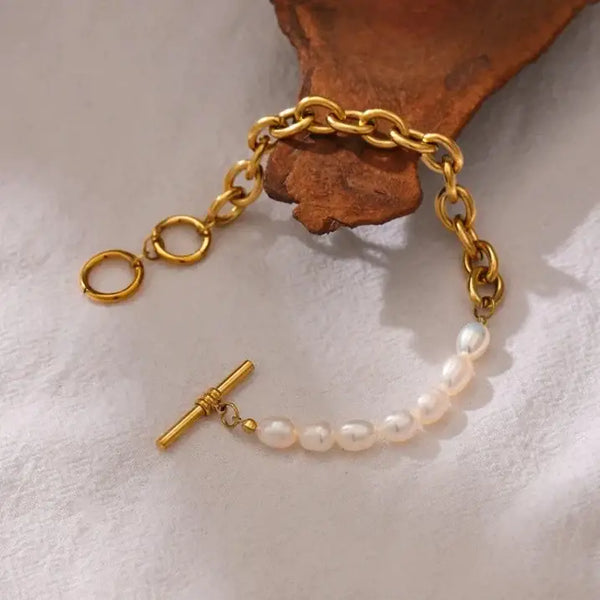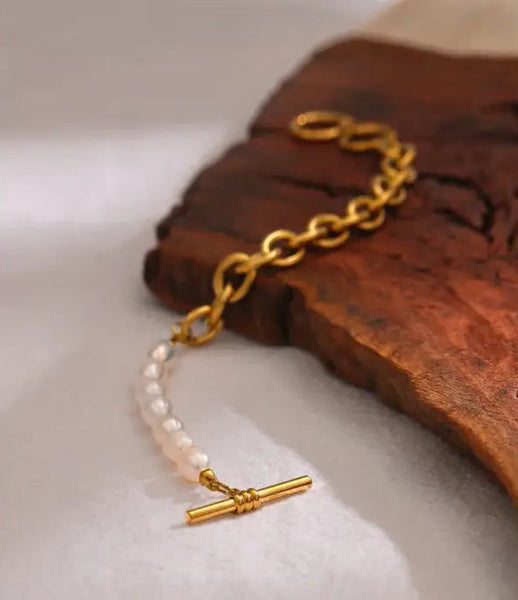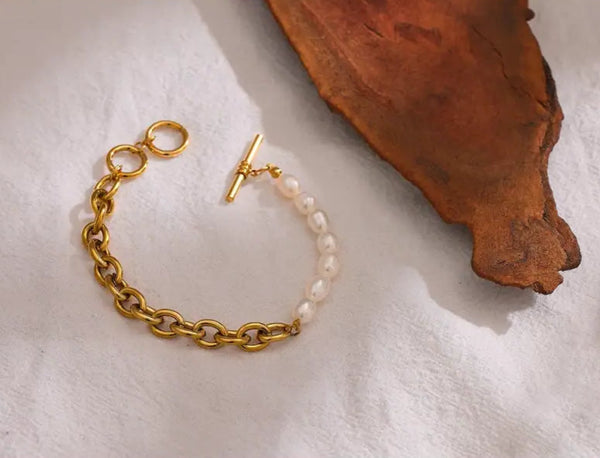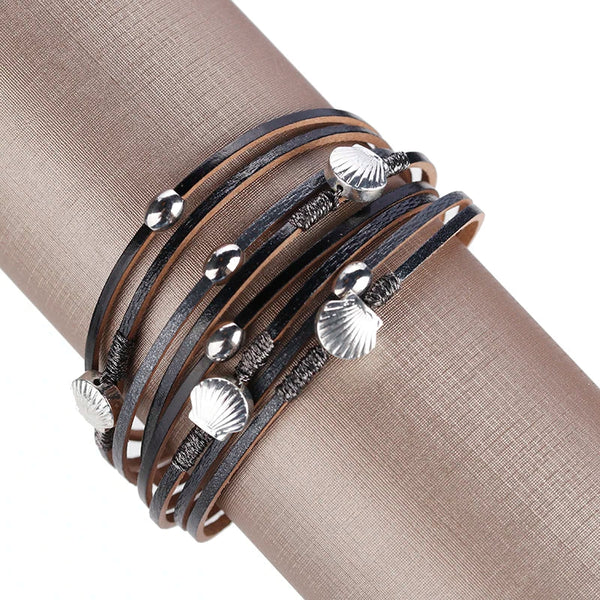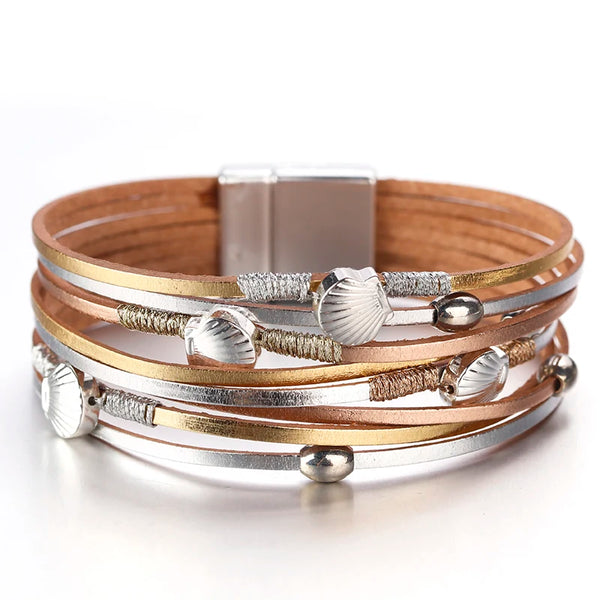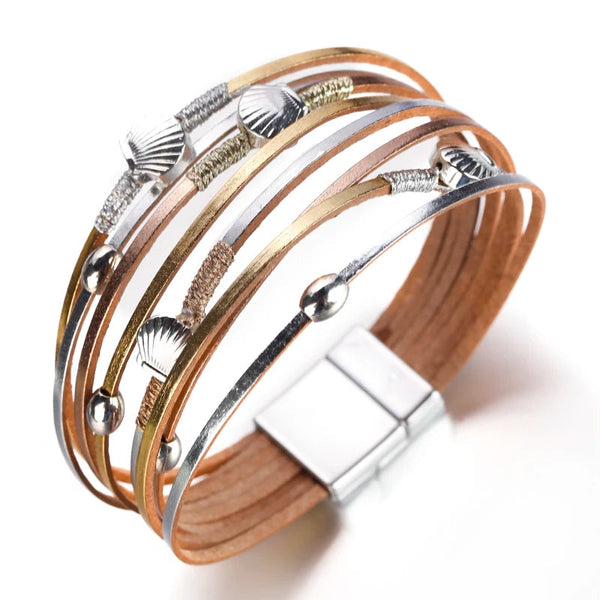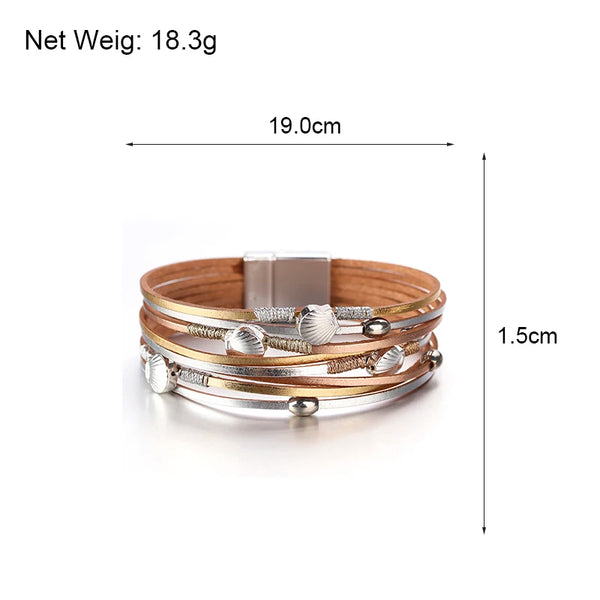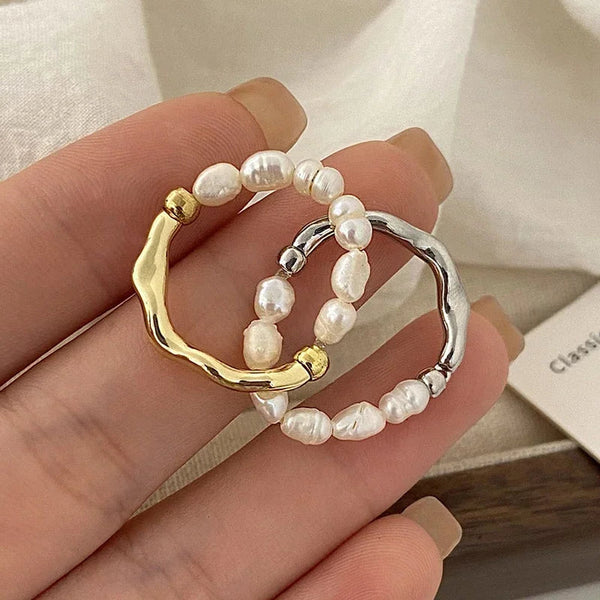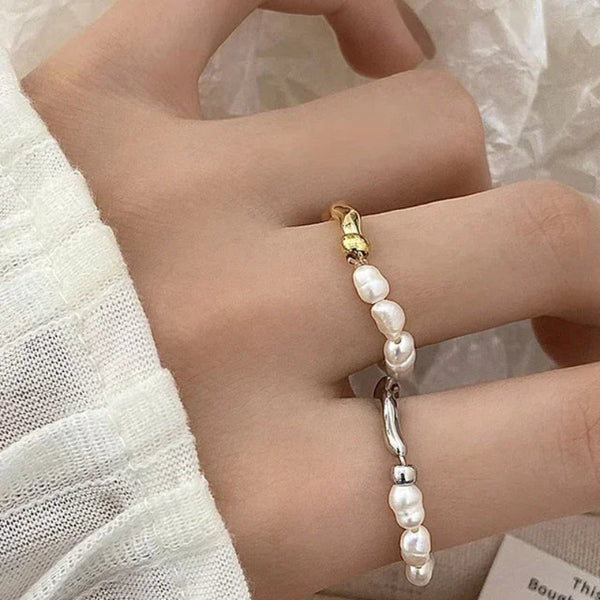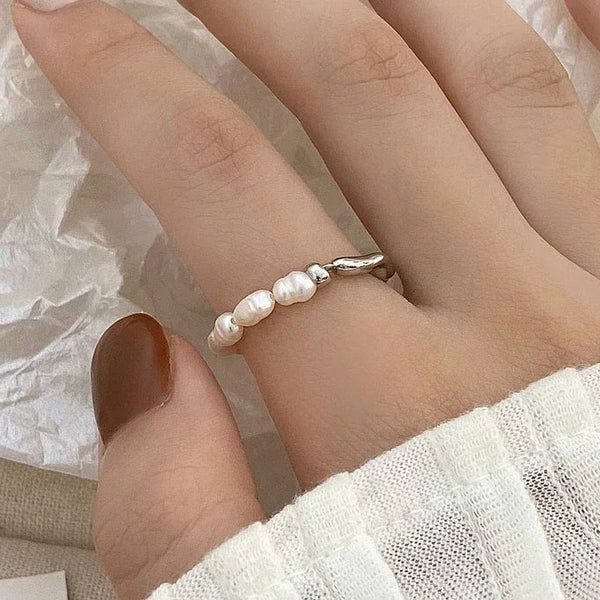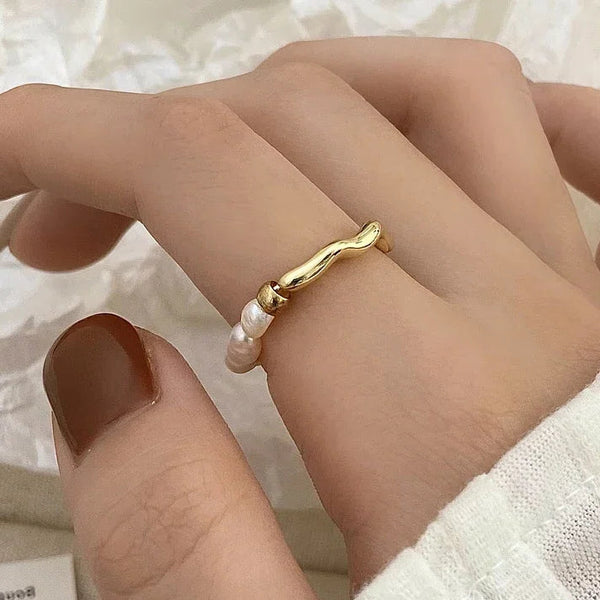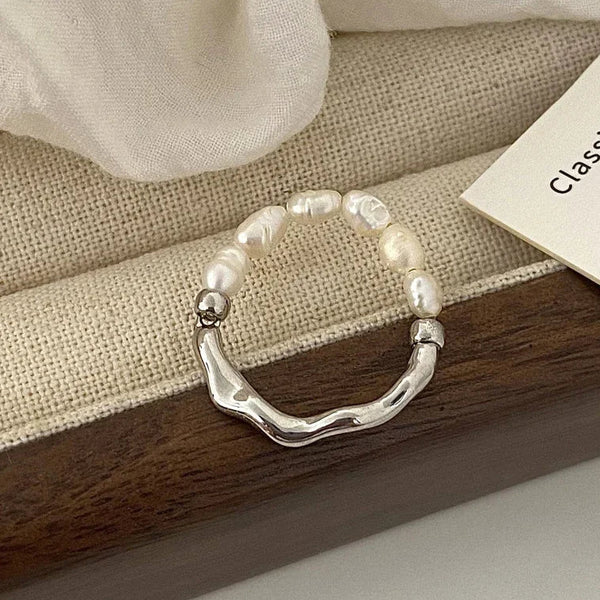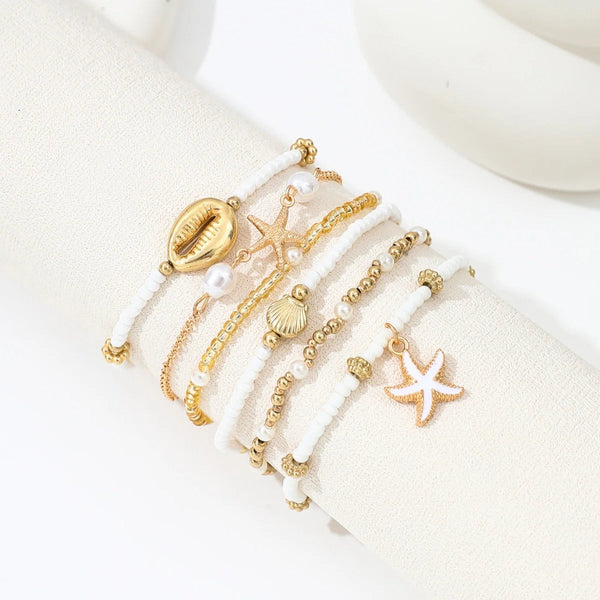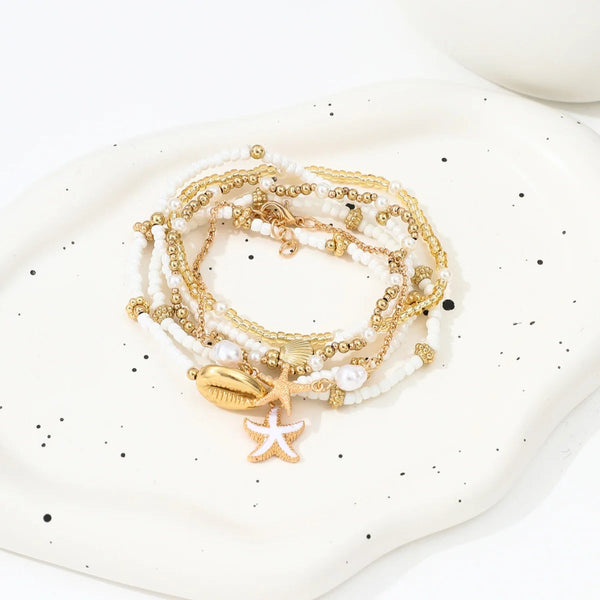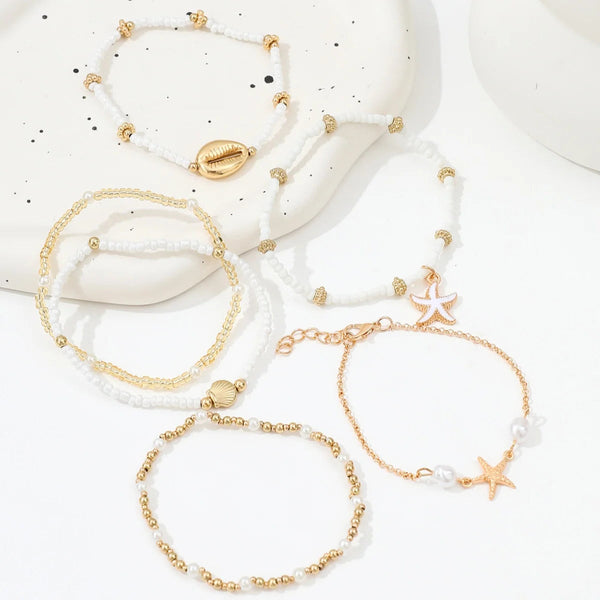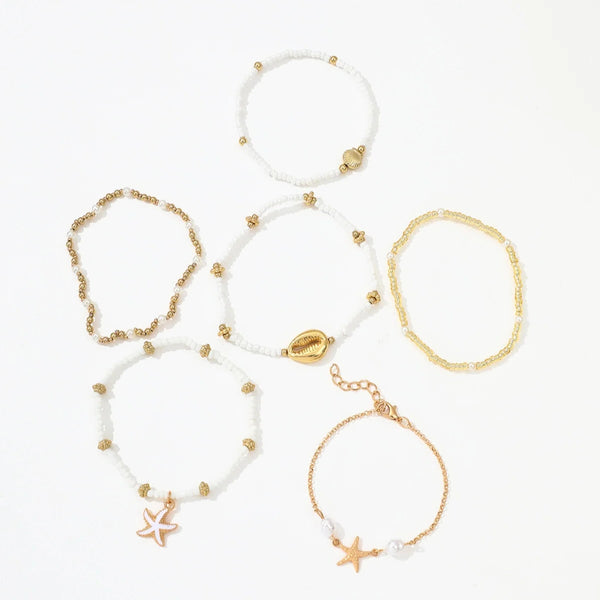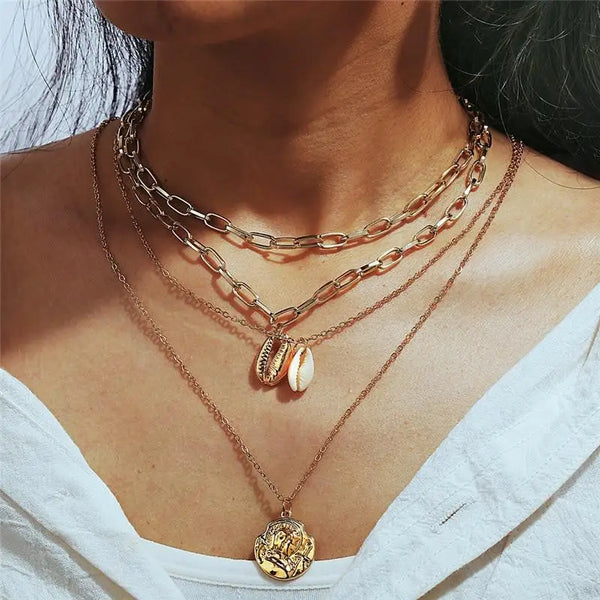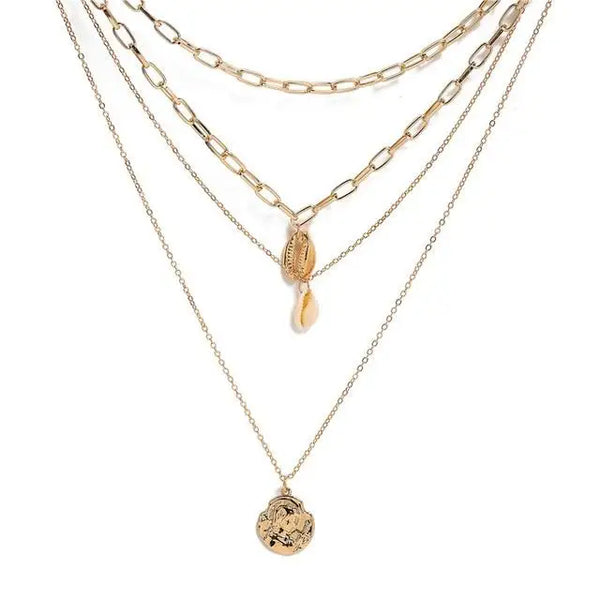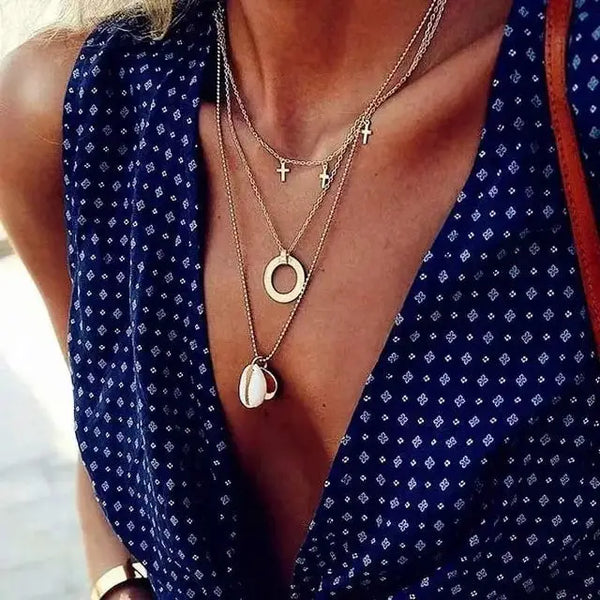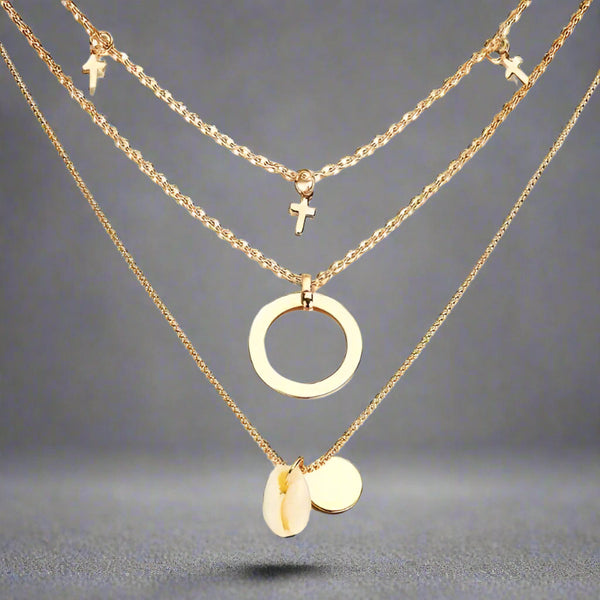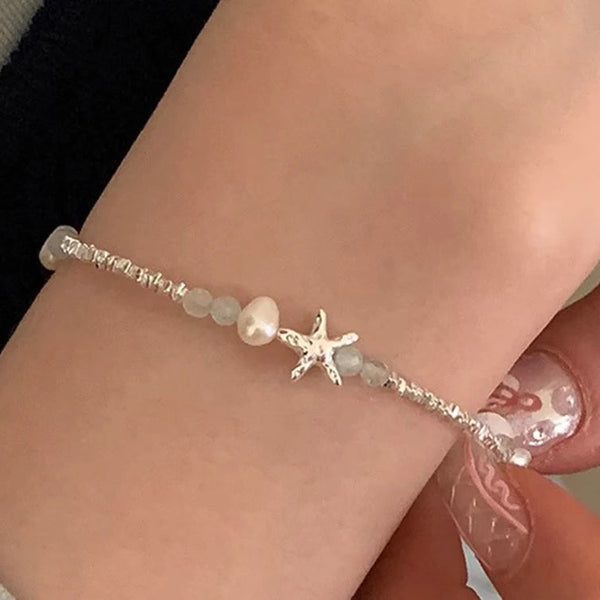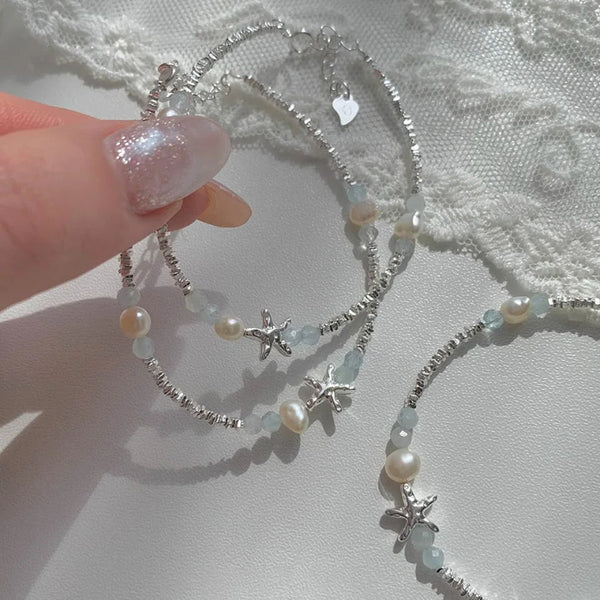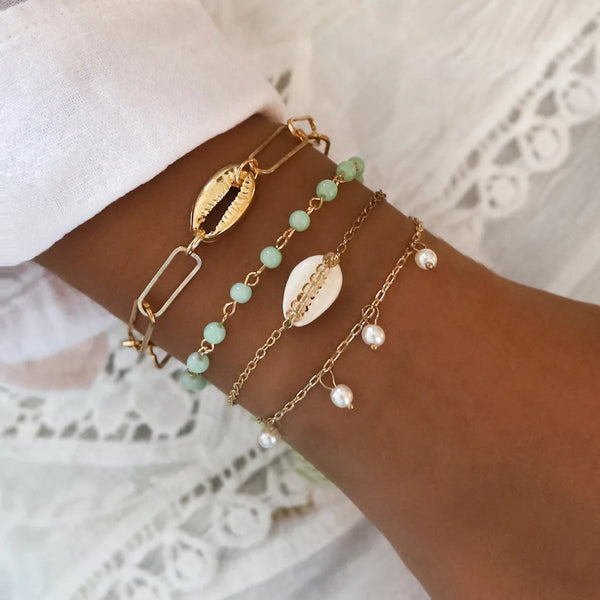

Walking along a sun‑sanded shore, shell jewelry whispers ancient stories. For countless generations across the vast swaths of the Pacific, Polynesian shell jewelry has been more than decoration — it has embodied ancestry, identity, and the living rhythm of the sea. At the heart of these adornments lies Mana, a spiritual life force believed to inhabit the shells gathered from the ocean depths.
Today, as beach lovers and boho‑style wanderers rediscover these natural adornments, the legacy of those ocean‑shaped treasures lives on. If you’re drawn to the shimmer of shells against sun‑kissed skin, explore our collection of shell necklaces and let their quiet heritage accompany your journey.
Historical Context: The Ocean as Ancestor
Long before mass‑produced trinkets and souvenir stands, the ancestors of Polynesia recognized the sea as a generous giver. Shells, gathered from tidal pools and reef edges, became some of the first materials turned into wearable adornments. These early ornaments connected island communities to the vast ocean — a constant, living force that shaped their world.
Archaeologists studying Pacific‑wide traditions note that early settlers carried pendant‑necklaces and stringed shell beads as they voyaged between islands. In some East Polynesian sites, ornaments found mirror those discovered later among Māori populations — a testament to shared heritage and migratory paths across thousands of miles.
These earliest shells weren’t merely decorative; they were symbolic anchors. Their shapes, textures, and colors carried meanings rooted in fertility, protection, social status, and ancestral respect. Over centuries, as small islands formed shifting networks of trade and kin‑relation, shell jewelry became a tangible language of connection between people and place.
By the time European navigators first recorded Polynesian adornments, shell necklaces, bracelets, and headdresses had already woven themselves into ritual, clan identity, and daily wear. This deep history makes polynesian shell jewelry not simply an accessory, but a living fragment of cultural memory.
Development Across Civilizations

East Polynesia — Roots of Ornamentation
When the first Polynesian voyagers embarked across the Pacific, they carried with them not only their navigational wisdom but also a reverence for the sea’s gifts. On remote islands, everyday tools and adornments often came from natural materials — wood, bone, fiber, and most readily, shell. Shell necklaces and bracelets became a signature of identity among these early seafaring communities.
As settlements grew, shells were meticulously selected for size, shape, and even hue. Some shells retained natural holes worn by surf and sand; others were carefully drilled or carved by hand. The result was jewelry that spoke of resourcefulness and respect — shell beadwork that traveled across waves, traded among islands, and passed through generations.
Hawai‘i & Ni‘ihau: Shells Worth More Than Gold
In Hawai‘i, the tradition of shell jewelry reached regal heights. On Ni‘ihau — often called the "Forbidden Island" — artisans developed a refined craft: the Ni‘ihau Shell Lei. Using tiny, gem-like shells found only on specific shores, these leis were so difficult to craft that they were reserved for high chiefs (Aliʻi).
Unlike common beads, a genuine Ni‘ihau shell necklace was, and still is, considered more valuable than gold in Hawaiian culture. Historical records date the origin of these leis as far back as 1778, when Captain James Cook first visited the Hawaiian Islands. These intricate pieces serve as a testament to the incredible patience and connection to nature defined by Polynesian craftsmanship.
In this way, shell jewelry asserted its worth beyond beach‑craft, becoming fine jewelry valued as highly as any gem.
Samoa, Fiji and the Wider Islands — Shells in Ceremony and Rank
Across Samoa and Fiji, adornments weren’t limited to shells alone — teeth of whales, bones, and carved pendants also played a role. Necklaces like the Samoan ‘ula lei or Fijian sisi used whale teeth to denote chiefly status and social hierarchy, often worn during ceremonies or bestowed as diplomatic gifts across island networks.

While these forms stepped beyond shell jewelry, they reflect a shared Polynesian ethos: using natural materials from the ocean or land to express identity, authority, and communal bonds. In many island communities, such jewelry was a living language of trust, respect, and social structure.
Shift toward Decorative and Practical Jewelry
Over time, as European contact and trade introduced new materials such as metal, glass, and imported cloth, traditional shell adornment began to evolve. Shells were still revered — but shell necklaces and bracelets increasingly incorporated beads, mother‑of‑pearl, or mixed materials to suit changing tastes and external influences.

In many island cultures jewelry also became more practical. Instead of heavy bone-plated necklaces or elaborate ceremonial gear, lighter shell bracelets, anklets, and earrings became popular — worn daily rather than during ceremonials. The shells retained their cultural weight, even as form and function shifted.
Modern Revival and Global Spread
As global travel opened the world to Pacific aesthetics, shell jewelry became a sought‑after symbol of island heritage. Visitors to tropical islands often brought home shell necklaces or cowrie‑beaded bracelets as souvenirs — tokens of connection to a distant sea and a timeless tradition.
Don't miss this piece of history
In parallel, communities striving to preserve their heritage continued crafting shell adornments — sometimes blending tradition with new designs. This fusion allowed polynesian shell jewelry to survive across generations, even as lifestyles modernized. The shell jewelry that once marked clan identity now also speaks to global wanderers drawn to ocean‑inspired style, natural jewelry, and island‑rooted elegance.
Rites of Passage and Generational Legacy
In many Polynesian islands, shell jewelry was more than aesthetic or spiritual — it played a vital role in marking life’s pivotal moments. Births, coming-of-age ceremonies, unions, and even farewells were often accompanied by the gifting of specific pieces of shell adornment, sometimes passed down from elders. A mother might gift her daughter a shell necklace during her first moon cycle, while a grandfather might tie a handcrafted shell bracelet onto his grandson’s wrist before his first deep-sea fishing voyage. These small gestures transformed jewelry into silent witnesses of family and communal history. The materials, the type of shell, the number of beads, even the hue — all were chosen with care, carrying symbolic weight. Though some of these rituals have faded over time, they still survive within certain families, reaffirming the deep cultural anchoring of Polynesian shell jewelry and its role in honoring life’s sacred transitions.
With growing global interest in handmade objects and cultural heritage, many Polynesian women artisans are now reclaiming these traditions, infusing modern designs with old-world significance. Some local brands design jewelry to reflect these life milestones — each piece accompanied by a legend or personal message. In this way, buying Polynesian seashell jewelry becomes more than a fashion decision; it’s a gesture of honoring memory, supporting indigenous craftsmanship, and embracing jewelry as a meaningful vessel for story and soul.
Symbolic Meanings of Polynesian Shells
In Polynesian culture, a shell is never just a shell. It is a vessel of meaning connecting the wearer to the spirit realm.
1. Spiritual Connection (Mana)
For many Polynesian cultures, the sea is more than a physical boundary — it’s a living ancestor. Shells embody that connection. Wearing them is a subtle act of devotion, carrying the ocean’s Mana (spiritual power) close to the skin.
2. Protection (The Puka Shell)
In Hawai‘i, the Puka shell (naturally imbued with a hole) was believed to guard travelers. The hole was thought to trap evil spirits or bad luck, ensuring safe passage for navigators crossing the vast Pacific.
3. Fertility & Womanhood (Cowrie)
The Cowrie shell, with its rounded shape resembling a womb, signifies fertility and the divine feminine. Among Polynesian tribes, these shells often marked a woman’s transition, celebrating motherhood or honoring feminine power within the community.
4. Wealth & Social Identity
Rare shells, finely woven leis, or jewelry with whale‑tooth pendants were reserved for those of high status. Wearing such pieces communicated rank, clan affiliation, or leadership — a quiet but powerful badge of prestige.
Evolution Toward Modern Style
As the world shifted through centuries of change — colonial contact, globalization, tourism — the traditional meaning of shells often blended with new aesthetics. In the 20th century, shell jewelry found itself carried by travelers, reinvented by island artisans, and reimagined by global fashion seekers. What began as sacred adornment gradually became a symbol of relaxed beach life and island‑inspired beauty.

By mid‑1900s, pieces like the Hawai‘ian “puka shell necklaces” emerged in popular culture. Using beach‑worn cone shells with naturally formed holes, artisans strung them into simple necklaces and bracelets — wearable tokens of the sea. For local youth and surfers along Pacific coastlines, these shells came to signify freedom, summer, and oceanic connection.
In the 1960s and 70s, as surf culture gained momentum, those shell necklaces — once meaningful cultural relics — were popularized globally. Beachwear, board shorts, and sun‑bleached hair paired perfectly with shell bracelets and anklets. As surfers crossed oceans and carried shells to foreign shores, polynesian shell jewelry reached new hearts and wardrobes.

More recently, with the rise of boho minimalism and slow fashion, shell jewelry has enjoyed renewed reverence. Crafters, designers, and conscious consumers are seeking sustainably sourced shells, honoring their cultural roots while embracing modern elegance. Shell bracelets, anklets, and rings crafted with respect — rather than fast fashion crawl — carry subtle echoes of ancestral seas and island identities. Embodying the boho coastal style, they offer a gentle nod to heritage, nature, and timeless beauty.
Another driving force shaping the future of Polynesian shell jewelry is the rise of sustainable, locally rooted craftsmanship. In response to environmental concerns and growing plastic pollution, artisans have turned to shells as a natural and renewable material. Many now collect shells that wash ashore naturally or come from responsible seafood harvesting — ensuring that no harm is done to marine ecosystems. This movement aligns with the slow fashion ethos: minimal waste, meaningful materials, and a deeper connection to source. These shell pieces, handmade and ocean-respecting, become both a fashion statement and an ecological stance. For today’s conscious consumer, wearing a piece of authentic Polynesian shell jewelry is a way to express both personal style and environmental values — all while honoring the timeless beauty of the sea.
Supporting this evolution is a wave of young Polynesian designers blending ancestral motifs with contemporary aesthetics. Their creations — minimalist shell bracelets, mother-of-pearl rings, tribal-inspired earrings — are shared across social platforms like glittering fragments of the ocean. These artisans are not just crafting jewelry; they are reclaiming and reinventing heritage, making it accessible to a global audience without losing its soul. The result is a wearable bridge between tradition and trend, culture and coastline. And if you’re ready to wear a piece of this living legacy, browse our curated collection of shell bracelets or explore the boho elegance of our sterling silver shell rings.
FAQ — Polynesian Shell Jewelry: Meanings & Traditions
What is the spiritual meaning of a Polynesian shell necklace?
A Polynesian shell necklace is more than jewelry; it is a vessel of Mana (spiritual energy). It symbolizes a deep connection to the ocean (Moana), protection during travel, and ancestral heritage. Wearing one is believed to attract good fortune and safeguard the wearer’s spirit.
What does a Puka shell symbolize?
The Puka shell, recognizable by its natural hole, traditionally symbolizes safe passage. In Hawaiian culture, sailors and navigators wore them to ensure a safe journey across the Pacific. Today, they are also icons of the laid-back surfer lifestyle and freedom.
Did Polynesian men wear shell jewelry?
Absolutely. In ancient Polynesia, men—especially warriors and chiefs—wore elaborate shell jewelry to signify status, courage, and genealogy. Large pendants featuring whale teeth or mother-of-pearl were traditional markers of male power and are still worn by men today as a sign of respect for culture.
How can I tell if my shell jewelry is authentic?
Authentic shell jewelry feels cool to the touch and has natural, slight imperfections—no two shells are identical. Mass-produced plastic imitations are uniform and warm up quickly. High-value pieces, like Niihau shell leis, should always come with certification of their origin.
Is it disrespectful to wear Polynesian jewelry if I am not Polynesian?
It is not disrespectful if done with appreciation rather than appropriation. Wearing shell jewelry to honor the ocean and the artistry of the Pacific is widely accepted. However, avoid wearing sacred ceremonial items (like specific chiefly regalia) as costumes. Always support ethical brands that respect the source.
Is shell jewelry a good gift?
Yes, gifting shell jewelry is a meaningful gesture. A Cowrie shell is an excellent gift for women symbolizing femininity and protection, while a Puka necklace is a thoughtful gift for travelers, surfers, or anyone starting a new life journey.
How should I care for my shell jewelry?
Since shells are organic, rinse them gently with fresh water after wearing them in the ocean and avoid harsh chemicals. To ensure your pieces last a lifetime, discover our step-by-step instructions in our Complete Guide to Shell Jewelry Care.
Conclusion
From the first shell beads strung by voyaging island‑people to the delicate anklets and necklaces worn today along golden coasts, polynesian shell jewelry carries a story — of sea melodies, ancestral journeys, and the quiet power of nature’s gifts. It is heritage shaping into art, memory woven into every bead, and the ocean’s pulse echoing in every shell. As you explore these ocean‑inspired pieces and adorn yourself with their quiet glow, you’re not just wearing a necklace or bracelet — you’re carrying a fragment of history, tradition, and ancient coastal spirit. Let the shells guide you back to the tide, to the journey, to the legacy. Explore more timeless treasures in our collection and let the ocean’s whisper join your everyday.